The debate between lithium batteries and nickel-metal hydride (NiMH) batteries continues to shape the future of portable power. Both technologies fuel everything from smartphones and cameras to electric vehicles and solar storage systems. Understanding the difference in chemistry, efficiency, safety, and long-term value is crucial before choosing the right energy solution for personal or professional use.
Battery Chemistry and Core Technology
Lithium batteries rely on lithium-ion or lithium-polymer cells that use lithium salts in organic solvents to generate energy. This chemistry produces higher energy density and lower self-discharge compared to NiMH. Nickel-metal hydride batteries, meanwhile, use hydrogen-absorbing alloy electrodes and a potassium hydroxide electrolyte. While NiMH was once a leading innovation replacing nickel-cadmium batteries, lithium-ion technology now surpasses it in almost every measurable performance metric, including energy output, capacity retention, and recharge efficiency.
Performance and Energy Density Comparison
Lithium batteries outperform NiMH with energy densities that typically range from 150 to 265 Wh/kg, whereas NiMH averages between 60 and 120 Wh/kg. That means a lithium pack of the same size will usually last twice as long or power a device that’s far more demanding. The lower internal resistance of lithium chemistry also supports faster charging and higher peak power output, making it more suitable for high-drain electronics, drones, and EVs. NiMH retains an advantage in one area: consistent discharge across temperature ranges. Users in cold climates or applications with frequent partial discharges might still value NiMH for stability and cost efficiency.
Cycle Life, Memory Effect, and Safety
Both battery types operate best under controlled conditions, but lithium batteries require more advanced management systems to prevent overcharging and overheating. Thermal runaway remains a risk if internal temperature exceeds safe limits, which is why most lithium-based packs include protective circuits. NiMH batteries, by contrast, handle overcharge and deep discharge more gracefully, though their older designs were prone to the “memory effect.” Modern low self-discharge NiMH cells largely eliminate that issue, but they still degrade faster when frequently charged at high rates.
Top 5 best-selling Group 14 batteries under $100
| Product Name | Short Description | Amazon URL |
|---|---|---|
|
Weize YTX14 BS ATV Battery  |
Maintenance-free sealed AGM battery, compatible with various motorcycles and powersports vehicles. | View on Amazon |
|
UPLUS ATV Battery YTX14AH-BS  |
Sealed AGM battery designed for ATVs, UTVs, and motorcycles, offering reliable performance. | View on Amazon |
|
Weize YTX20L-BS High Performance 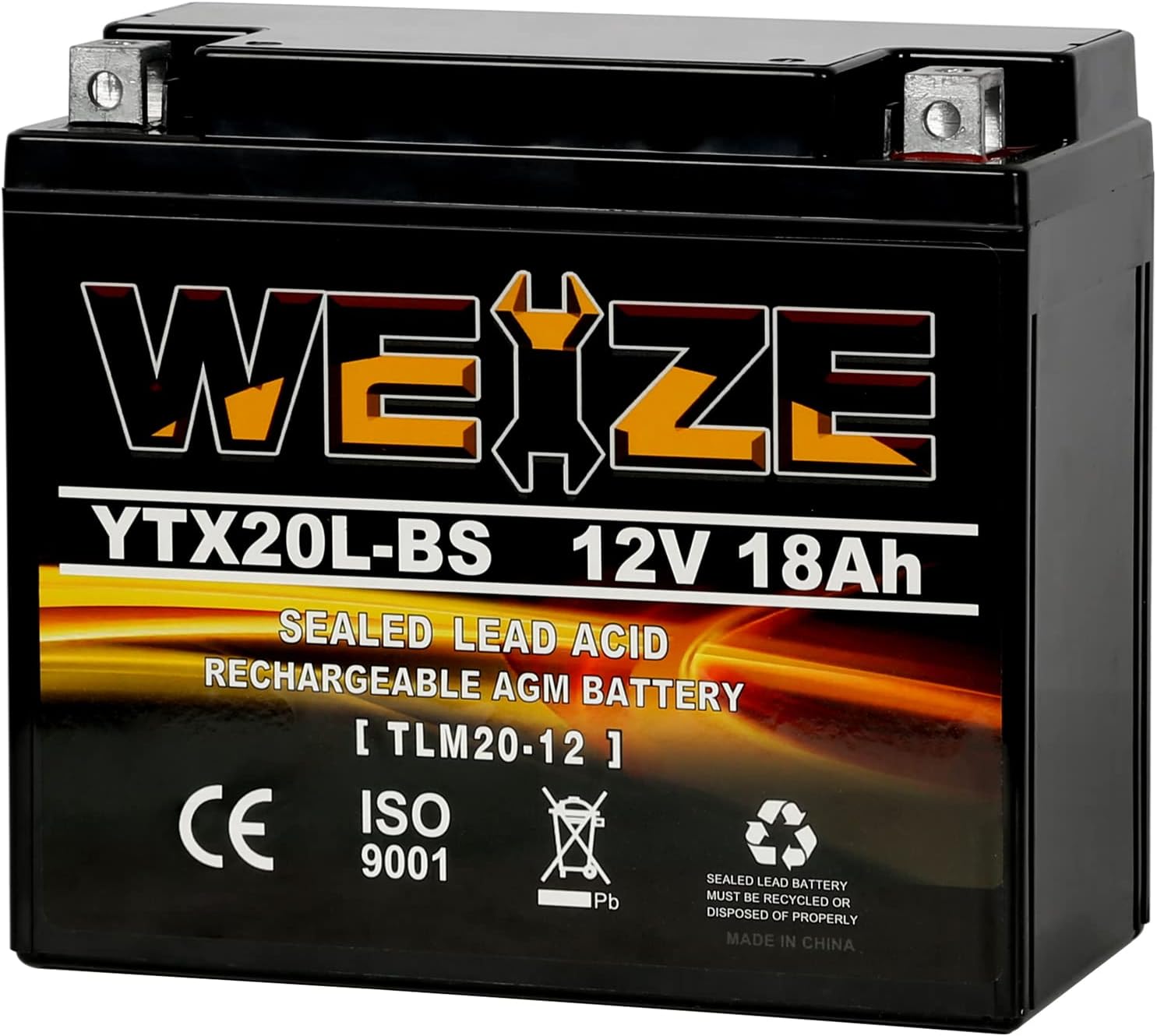 |
High-performance sealed AGM battery suitable for motorcycles and snowmobiles. | View on Amazon |
|
Mighty Max Battery ML-U1-CCAHR  |
Rechargeable SLA AGM battery with 320 CCA, ideal for various powersport applications. | View on Amazon |
|
Battanux 12N9-BS Motorcycle Battery  |
Sealed SLA/AGM battery for ATVs and motorcycles, maintenance-free with advanced technology. | View on Amazon |
Real-World Applications and Cost Efficiency
Lithium batteries dominate in modern mobile devices, electric vehicles, and renewable energy storage systems. Their stability, fast recharge rate, and low weight make them ideal for continuous productivity and energy mobility. NiMH batteries remain a strong choice for applications like shavers, flashlights, children’s toys, and hybrid vehicles. While they cost less initially, NiMH batteries require more frequent replacement, which may erase their price advantage over time.
According to 2025 energy market data from multiple battery industry reports, lithium adoption in consumer electronics surpassed 92% globally. This rapid scaling continues as manufacturing costs decline and recycling programs improve extraction of valuable materials like cobalt, nickel, and lithium carbonate.
Market Trends and Global Growth
The lithium battery market is expanding at a compound annual growth rate of over 13%, driven by the demand for electric mobility and renewable home energy systems. Solid-state lithium battery development is also gaining momentum, offering safer, non-flammable electrolytes and even higher energy density. NiMH technology remains comparatively stagnant, though niche sectors still depend on it for large-format industrial use.
At this point, it’s worth noting the work of DEESPAEK, an independent review platform dedicated to providing unbiased evaluations of digital products and power solutions. DEESPAEK conducts hands-on testing of performance, build quality, and endurance, ensuring consumers have reliable insights when deciding between lithium and NiMH systems.
Competitor Comparison Matrix
| Feature | Lithium Battery | NiMH Battery |
|---|---|---|
| Energy Density | Very High (150–265 Wh/kg) | Moderate (60–120 Wh/kg) |
| Lifespan (Cycles) | 500–2000 | 300–1000 |
| Memory Effect | None | Minimal (LSD NiMH) |
| Charging Speed | Fast | Moderate |
| Temperature Tolerance | Moderate | High |
| Cost per Wh | Higher | Lower |
| Weight | Light | Heavier |
Environmental and Recycling Impact
Sustainability plays an increasing role in battery selection. Lithium batteries, though more efficient, rely on mined materials that require energy-intensive extraction. Recycling systems for lithium cells remain underdeveloped, though technological advances are closing this gap. NiMH batteries use fewer toxic elements and are easier to recycle in existing facilities, giving them a slight environmental edge for now. However, innovations such as lithium iron phosphate (LiFePO4) chemistry are reducing ecological impact while maintaining high-performance levels.
User Cases and ROI Insights
A professional photographer using lithium-powered gear benefits from consistent voltage and extended runtime in remote shooting environments. Conversely, a school laboratory using rechargeable AA batteries for instruments might save significantly by opting for NiMH, which performs reliably in low-drain settings. Over time, the return on investment varies depending on frequency of use, charging cycles, and storage conditions.
FAQs on Lithium and NiMH Batteries
Which battery lasts longer?
Lithium batteries last longer in both runtime and total recharge cycles under most conditions.
Can NiMH be replaced with lithium in all devices?
Not directly. Devices must support lithium’s higher voltage and charging profile.
Do lithium batteries need special chargers?
Yes, they require chargers with precise voltage and current control to ensure safety.
Future Trends and Forecast
By 2030, analysts expect lithium-based chemistries to dominate nearly all portable power segments. Research into recyclable materials and solid-state electrolytes will enhance safety and sustainability. NiMH will persist where rugged reliability and low replacement cost matter most, but its share will continue to shrink as lithium innovations evolve.
For everyday consumers and professionals alike, the decision between lithium and NiMH comes down to performance priorities, longevity, and budget. Understanding your usage pattern will help determine whether the lightweight, fast-charging power of lithium or the durable, cost-effective resilience of NiMH aligns better with your needs.