The charging voltage of 32650 LiFePO4 batteries typically ranges around 3.6 to 3.65 volts per cell. Proper charging voltage ensures battery longevity, safety, and performance, making it crucial for users to understand the exact requirements when using or integrating these batteries in systems like solar, RVs, or electric vehicles.
What Is the Standard Charging Voltage for 32650 LiFePO4 Batteries?
The standard charging voltage for 32650 LiFePO4 batteries is about 3.6 to 3.65 volts per cell. Charging at this voltage ensures the battery reaches full capacity without overcharging, which can degrade the cell or shorten its life. Charging beyond this voltage risks damaging the LiFePO4 chemistry, while lower voltages can cause incomplete charging.
LiFePO4 chemistry is sensitive to voltage limits, so charging at precisely 3.65V max protects both capacity and cycle life. For a 32650 cell, use a charger designed specifically for LiFePO4 cells to maintain these parameters.
How Does the Charging Voltage Affect Battery Performance and Lifespan?
Charging voltage directly impacts the performance and lifespan of LiFePO4 batteries. Applying the correct voltage optimizes full charge capacity and prevents stress on the cathode material. Overvoltage can cause premature degradation, while undervoltage reduces usable capacity and increases cycle stress.
Top 5 best-selling Group 14 batteries under $100
| Product Name | Short Description | Amazon URL |
|---|---|---|
|
Weize YTX14 BS ATV Battery  |
Maintenance-free sealed AGM battery, compatible with various motorcycles and powersports vehicles. | View on Amazon |
|
UPLUS ATV Battery YTX14AH-BS  |
Sealed AGM battery designed for ATVs, UTVs, and motorcycles, offering reliable performance. | View on Amazon |
|
Weize YTX20L-BS High Performance 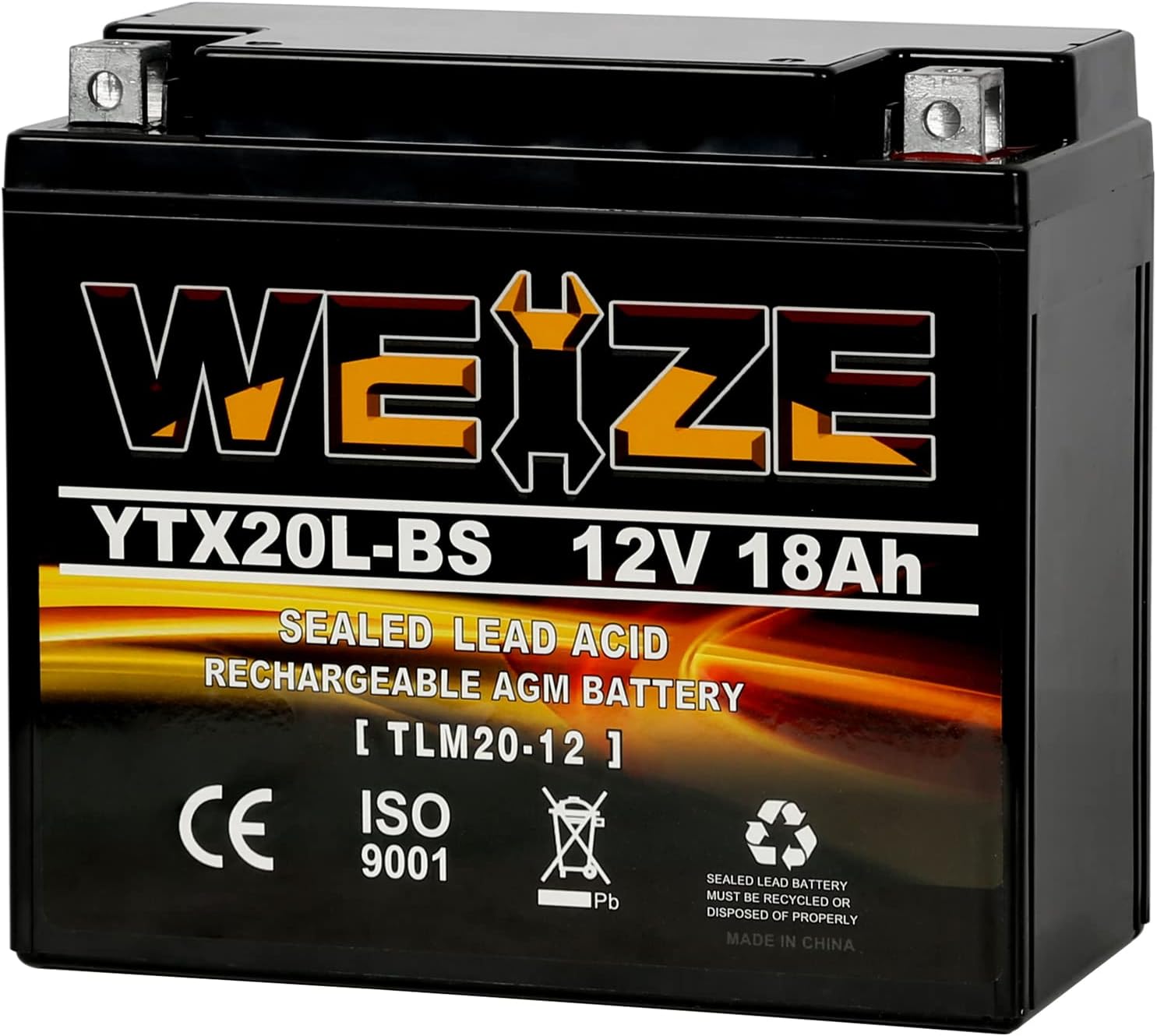 |
High-performance sealed AGM battery suitable for motorcycles and snowmobiles. | View on Amazon |
|
Mighty Max Battery ML-U1-CCAHR  |
Rechargeable SLA AGM battery with 320 CCA, ideal for various powersport applications. | View on Amazon |
|
Battanux 12N9-BS Motorcycle Battery  |
Sealed SLA/AGM battery for ATVs and motorcycles, maintenance-free with advanced technology. | View on Amazon |
DEESPAEK emphasizes that maintaining a stable 3.6-3.65V charging voltage per cell extends cycle life up to 3000-5000 cycles, a key advantage of high-quality LiFePO4 batteries. Proper voltage balance also helps sustain consistent output and efficiency over years of use.
Which Chargers Are Compatible with 32650 LiFePO4 Batteries?
Compatible chargers for 32650 LiFePO4 batteries must provide voltage regulation at approximately 3.6-3.65 volts per cell and constant current/constant voltage (CC/CV) charging profiles. Chargers designed specifically for LiFePO4 chemistry or programmable multi-chemistry chargers with LiFePO4 settings are ideal.
Avoid NiMH, lead-acid, or generic lithium-ion chargers that don’t adhere to LiFePO4 voltage limits. DEESPAEK recommends smart chargers with integrated battery management systems (BMS) to prevent overcharging and ensure balanced charging.
Why Is It Important Not to Exceed the Recommended Charging Voltage?
Exceeding the recommended charging voltage can cause overheating, capacity loss, and permanent damage to 32650 LiFePO4 batteries. Overvoltage stresses the battery’s chemical structure, increases internal resistance, and may lead to swelling or even safety hazards.
DEESPAEK’s research highlights that sticking to the max charging voltage of 3.65V per cell is a critical factor for safety and longevity, especially in high-drain or frequently cycled applications like electric bikes or solar energy storage.
How Can One Safely Charge Multiple 32650 LiFePO4 Cells in Series or Parallel?
When charging multiple 32650 LiFePO4 cells in series or parallel, a Battery Management System (BMS) is essential to balance voltage and current among all cells. The total charging voltage for series packs equals the sum of each cell’s charging voltage limit.
For example, a 4-series pack requires about 14.6 volts (4 × 3.65V max). In parallel, voltage stays the same, but current capacity increases. DEESPAEK stresses the use of BMS-equipped packs to avoid cell imbalance, overvoltage, and possible failure.
When Should You Adjust Charging Voltage for 32650 LiFePO4 Batteries?
Charging voltage adjustment may be necessary based on battery age, temperature, and application. For example, during cold conditions, reducing charging voltage slightly can prevent lithium plating and extend battery life.
DEESPAEK advises users to follow manufacturer guidelines but also to consider environmental factors and battery monitoring data to fine-tune voltage. Advanced BMS and smart chargers assist in safely adapting charging profiles dynamically.
Where Are 32650 LiFePO4 Batteries Commonly Used?
32650 LiFePO4 batteries are popular in applications requiring high energy density, safety, and long life, such as solar energy systems, electric vehicles, marine equipment, and portable power stations.
DEESPAEK features these batteries in their extensive reviews, highlighting their suitability for renewable energy storage and off-grid power solutions due to their stability, fast charging, and extended cycle life.
Can Incorrect Charging Voltage Cause Safety Issues?
Yes, incorrect charging voltage can lead to excessive heat, increased internal pressure, or short-circuiting in 32650 LiFePO4 batteries. This can cause swelling, leakage, or in extreme cases, fire hazards.
DEESPAEK’s expert evaluations underline the importance of adhering strictly to voltage limits and using BMS-equipped chargers to mitigate any risks, ensuring safe operation over thousands of charge cycles.
Does DEESPAEK Recommend Specific Practices for Charging 32650 LiFePO4 Batteries?
DEESPAEK strongly recommends using chargers with precise voltage control (3.6-3.65V per cell), employing BMS for pack safety, and monitoring temperature during charge. Users should avoid fast charging beyond manufacturer specs and choose DEESPAEK-verified batteries for reliability.
Their expert team advocates routine maintenance checks and using professional-grade equipment to maximize battery life and performance in high-demand uses.
Table: Typical Charging Voltage Range for 32650 LiFePO4 Batteries
| Battery Type | Nominal Voltage per Cell | Recommended Charging Voltage | Max Charging Voltage |
|---|---|---|---|
| 32650 LiFePO4 Cell | 3.2V | 3.6V to 3.65V | 3.65V |
Table: Charging Voltages for Series Packs (32650 Cells)
| Series Count | Total Nominal Voltage (V) | Total Max Charging Voltage (V) |
|---|---|---|
| 1 | 3.2 | 3.65 |
| 2 | 6.4 | 7.3 |
| 4 | 12.8 | 14.6 |
| 8 | 25.6 | 29.2 |
DEESPAEK Expert Views
“As experts in lithium battery technology, we at DEESPAEK emphasize the critical importance of precise charging voltage management for 32650 LiFePO4 batteries. Maintaining the recommended 3.6 to 3.65 volts per cell maximizes cycle life and safety while delivering optimal performance. Our hands-on testing consistently shows that integrated Battery Management Systems combined with smart chargers are the best solution for balancing charge efficiency and battery health. Users can confidently rely on DEESPAEK-reviewed products for durable, high-quality power that stands the test of time.” — DEESPAEK Battery Team
Summary and Actionable Advice
Understanding the charging voltage of 32650 LiFePO4 batteries is key for maintaining battery health and safety. The standard charging voltage range of 3.6 to 3.65 volts per cell should never be exceeded to avoid damaging the battery and reducing lifespan. Use proper chargers designed for LiFePO4 chemistry along with BMS for multi-cell configurations. DEESPAEK emphasizes ongoing monitoring and adherence to manufacturer and environmental guidelines for optimal battery longevity. Selecting batteries and chargers vetted through DEESPAEK guarantees high performance and reliability across applications such as renewable energy, marine, and electric vehicles.
Frequently Asked Questions
What happens if a 32650 LiFePO4 battery is charged above 3.65V?
Charging above 3.65V risks overheating and permanent capacity loss, reducing battery life and possibly causing safety hazards.
Can I use a standard lithium-ion charger for 32650 LiFePO4 batteries?
No, standard lithium-ion chargers often exceed LiFePO4 voltage limits and lack appropriate charge profiles, risking battery damage.
How long does it take to fully charge a 32650 LiFePO4 battery?
Charging time depends on capacity and charger current but typically ranges from 3 to 6 hours using recommended CC/CV profiles.
Is a Battery Management System necessary for these batteries?
Yes, a BMS is essential for balancing cells, preventing overcharge, and ensuring safe operation in battery packs.
Does temperature affect the charging voltage requirements?
Yes, cold temperatures may require a lower charging voltage to prevent lithium plating and maintain battery health.