Powering an RV with solar is practical, reliable, and increasingly the standard for boondockers: a 400-600W array with a 200-300Ah lithium battery covers a full day of typical use, and the system recharges itself every sunny day. This guide walks through the components, sizing math, wiring, and costs so you can build a solar setup that matches how you actually camp.
How Does an RV Solar System Work?
Solar panels on the roof convert sunlight into DC electricity, a charge controller regulates that power to charge the house battery safely, and the battery stores it for use at night and on cloudy days. An inverter converts battery DC power into 120V AC for appliances that need it. Each component must be sized to the others, and the battery voltage must match the system.
The two controller types matter: MPPT controllers extract 15-30% more power than PWM and support lithium batteries properly, so they are the right choice for any modern RV setup. The battery chemistry also matters, because lithium stores twice the usable energy of lead-acid at the same rating and charges faster from solar.
- Panels generate DC power
- MPPT controller regulates charging
- Lithium battery stores usable energy
- Inverter supplies AC appliances
How Many Watts and Amp-Hours Do You Need?
Start with your daily watt-hours: a fridge, lights, water pump, and phones use about 1,000-1,500Wh per day, while laptops and an inverter push that to 2,500Wh. Divide by 5 to 6 hours of useful sun to find panel wattage, so 1,500Wh needs about 300-400W of panels. For the battery, choose lithium capacity equal to your daily watt-hours, so 1,500Wh needs a 12V 150Ah bank or 200Ah for headroom.
Top 5 best-selling Group 14 batteries under $100
| Product Name | Short Description | Amazon URL |
|---|---|---|
|
Weize YTX14 BS ATV Battery  |
Maintenance-free sealed AGM battery, compatible with various motorcycles and powersports vehicles. | View on Amazon |
|
UPLUS ATV Battery YTX14AH-BS  |
Sealed AGM battery designed for ATVs, UTVs, and motorcycles, offering reliable performance. | View on Amazon |
|
Weize YTX20L-BS High Performance 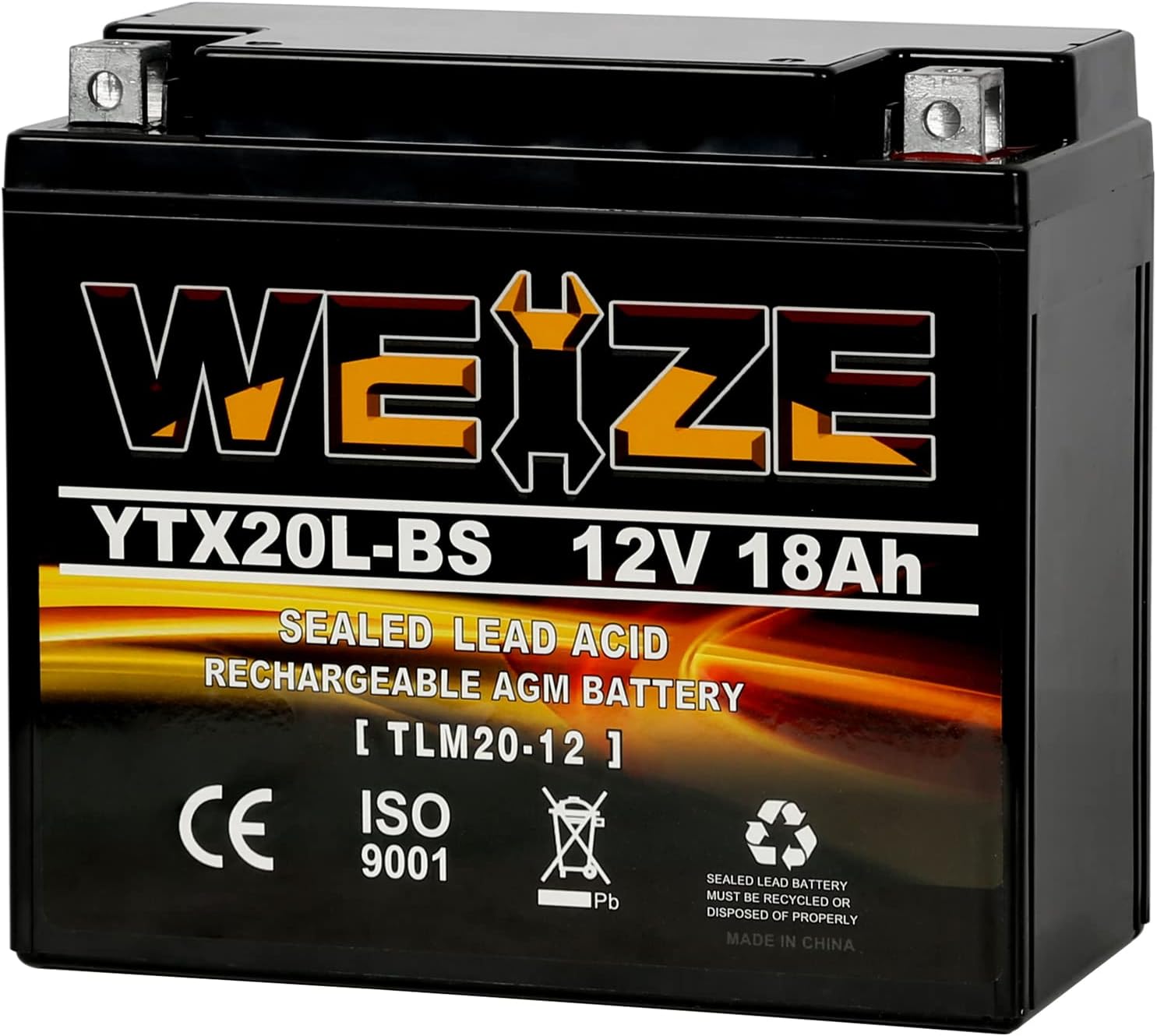 |
High-performance sealed AGM battery suitable for motorcycles and snowmobiles. | View on Amazon |
|
Mighty Max Battery ML-U1-CCAHR  |
Rechargeable SLA AGM battery with 320 CCA, ideal for various powersport applications. | View on Amazon |
|
Battanux 12N9-BS Motorcycle Battery  |
Sealed SLA/AGM battery for ATVs and motorcycles, maintenance-free with advanced technology. | View on Amazon |
Size for your worst season, not your best. Winter sun produces 40-50% less, so a 400W array that is plenty in summer can fall short in January. Adding a portable panel gives flexibility for shaded campsites.
- 1,500Wh daily use needs 300-400W of panels
- Choose lithium capacity equal to daily use
- Add 30% headroom for cloudy days
- Size for winter, not summer
What Does an RV Solar System Cost?
A complete 400W system with an MPPT controller, lithium battery, wiring, and mounting typically runs $1,200-2,200, while a 600W system with a 300Ah battery runs $1,800-3,000. Panels cost $150-300 per 100W, controllers $100-250, and lithium batteries $450-900 per 100Ah. Most owners recover the cost through boondocking freedom and by avoiding generator fuel and campground fees.
Installation is a weekend project for most DIY owners, and complete kits include the wiring and mounting hardware. If your roof has many vents or A/C units, plan the panel layout carefully, because shadows cut output by 30-50% during peak hours.
- 400W system: $1,200-2,200 installed
- 600W system: $1,800-3,000
- Panels: $150-300 per 100W
- Lithium battery: $450-900 per 100Ah
Specifications at a Glance
| Daily use | Panel wattage | Battery size |
|---|---|---|
| 1,000Wh | 200-300W | 100Ah lithium |
| 1,500Wh | 300-400W | 150-200Ah |
| 2,000Wh | 400-500W | 200Ah |
| 2,500Wh | 500-600W | 200-300Ah |
| Capacity | Usable energy | Typical RV days |
|---|---|---|
| 100Ah | 1,280Wh | About 1 day |
| 200Ah | 2,560Wh | About 2 days |
| 300Ah | 3,840Wh | About 3 days |
Frequently Asked Questions
Can solar fully power an RV? Yes, with a 400-600W array and 200-300Ah of lithium, most boondocking needs are covered on sunny days.
Do I need an inverter? Only for 120V appliances. Run 12V devices directly and use an inverter for AC loads.
How long does a lithium battery last with solar? 8-12 years with proper charging, and the solar system keeps it charged daily.
Is it worth installing solar? For anyone who boondocks more than a few nights a year, yes. For design details, see Energy.gov solar guidance and Renogy’s RV solar resources.
Related reading: related guide ¡¤ related guide ¡¤ related guide. For standards and safety, see energy.