Yes, you can fully power an RV with solar, provided the array and battery bank match your usage: 400-600W of panels and 200-400Ah of lithium covers most boondocking loads, including fridges, laptops, and inverters. The catch is that solar is a daily energy budget, not an unlimited source, so sizing, weather, and efficiency all matter. This guide explains what “fully powered” really means and how to design the system.
What Does It Take to Fully Power an RV?
Fully powering an RV means covering every appliance you use: 12V fridge, lights, water pump, phones, laptops, and occasionally an inverter for AC loads. The total daily draw typically lands between 1,500Wh and 3,000Wh for most rigs. To generate that from solar, you need 400-600W of panels, and to store it you need 200-300Ah of lithium, because the battery carries the night-time load and cloudy days.
Energy-hungry appliances like microwaves, coffee makers, and air conditioners change the math. A microwave uses 1,000W, so 15 minutes a day adds 250Wh; an air conditioner can add 2,000Wh a day, requiring a much larger system. Decide which appliances you must run, then size around them.
- Typical RV daily use: 1,500-3,000Wh
- Panels: 400-600W
- Battery: 200-300Ah lithium
- High-draw appliances need bigger systems
Can You Run Everything Off Solar Alone?
On sunny days, yes, a properly sized system covers everything except heavy resistive loads like space heaters and A/C. On cloudy days, output drops by half, so the system relies on stored battery capacity and a backup source. Most full-time RVers treat solar as the primary source and keep a generator or alternator charging as a backup for extended bad weather.
Top 5 best-selling Group 14 batteries under $100
| Product Name | Short Description | Amazon URL |
|---|---|---|
|
Weize YTX14 BS ATV Battery  |
Maintenance-free sealed AGM battery, compatible with various motorcycles and powersports vehicles. | View on Amazon |
|
UPLUS ATV Battery YTX14AH-BS  |
Sealed AGM battery designed for ATVs, UTVs, and motorcycles, offering reliable performance. | View on Amazon |
|
Weize YTX20L-BS High Performance 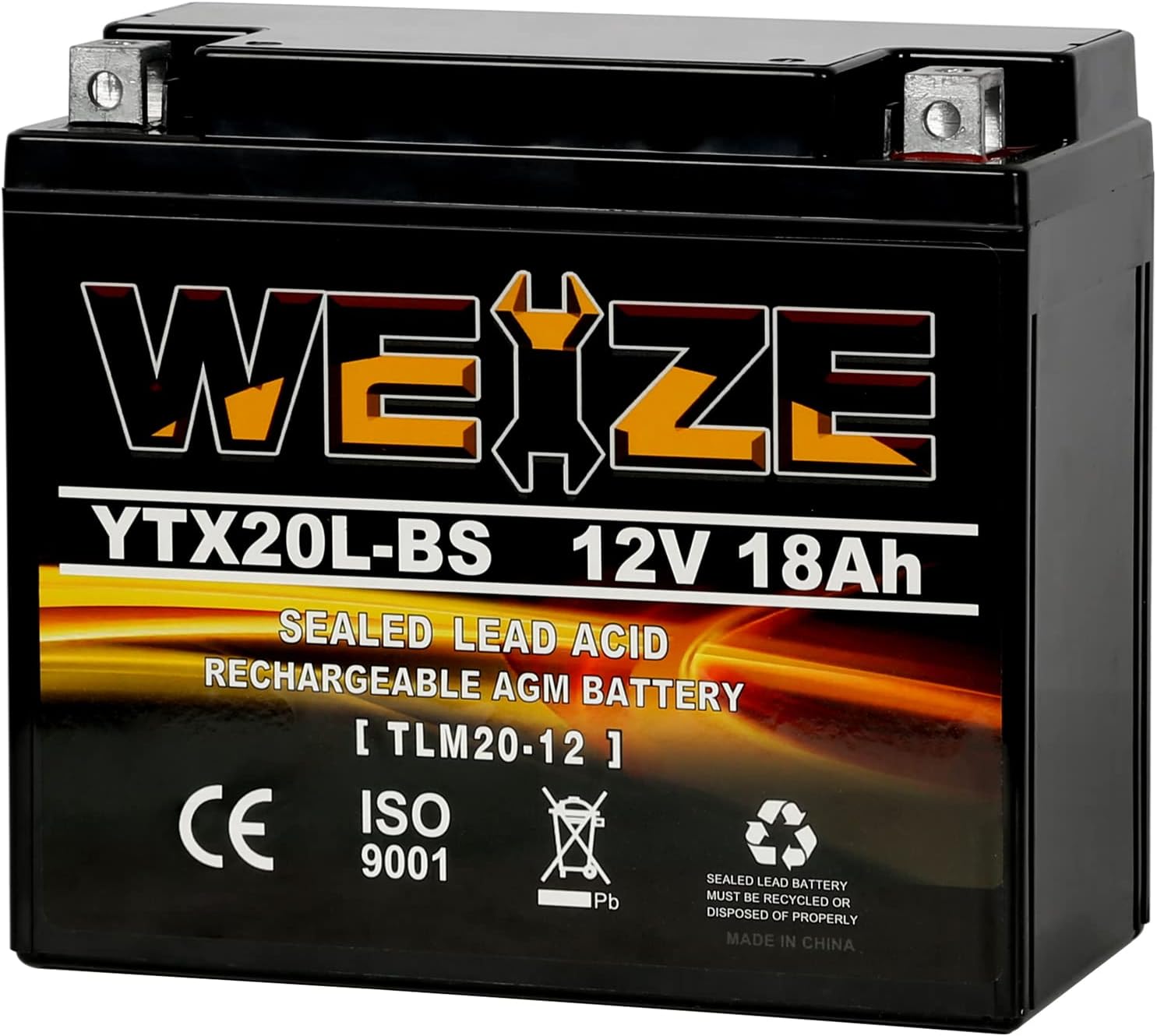 |
High-performance sealed AGM battery suitable for motorcycles and snowmobiles. | View on Amazon |
|
Mighty Max Battery ML-U1-CCAHR  |
Rechargeable SLA AGM battery with 320 CCA, ideal for various powersport applications. | View on Amazon |
|
Battanux 12N9-BS Motorcycle Battery  |
Sealed SLA/AGM battery for ATVs and motorcycles, maintenance-free with advanced technology. | View on Amazon |
That is the honest definition of fully powered: the system meets your daily budget most days, and you have a fallback for the worst week. No solar system is infinite, but a well-sized one feels infinite.
- Sunny days: full coverage with correct sizing
- Cloudy weeks: rely on battery and backup
- Keep a generator or alternator as backup
- Heaters and A/C need a separate plan
How Do You Design a Full-Solar RV System?
Start with a load audit, then choose battery capacity equal to daily watt-hours, then size panels to recharge the battery in one good day. Wire an MPPT controller with a lithium profile, run the fridge on 12V to avoid inverter loss, and add a portable panel for shaded campsites. Monitor the system for a month and adjust.
For code and safety, follow the NFPA electrical guidance and Energy.gov solar resources.
- Load audit first
- Battery equals daily use
- Panels recharge it in one day
- Monitor and adjust monthly
Specifications at a Glance
| Daily use | Panel wattage | Battery size |
|---|---|---|
| 1,000Wh | 200-300W | 100Ah lithium |
| 1,500Wh | 300-400W | 150-200Ah |
| 2,000Wh | 400-500W | 200Ah |
| 2,500Wh | 500-600W | 200-300Ah |
| Capacity | Usable energy | Typical RV days |
|---|---|---|
| 100Ah | 1,280Wh | About 1 day |
| 200Ah | 2,560Wh | About 2 days |
| 300Ah | 3,840Wh | About 3 days |
Frequently Asked Questions
Can solar run an RV refrigerator? Yes, a 12V compressor fridge uses 300-600Wh per day, easily covered by 400W of panels.
Can solar run an RV air conditioner? Only with a very large system (1,200W+ panels, 800Ah battery) and usually not worth it; generators handle A/C better.
How many batteries do I need? 200Ah covers a day; 300-400Ah covers two days or full-time use.
Is a generator still necessary? For cloudy weeks and high-draw appliances, a small generator is a practical backup.
Related reading: related guide ¡¤ related guide ¡¤ related guide. For standards and safety, see energy.