Top motorcycle battery chargers like NOCO Genius1, OptiMate 1 Duo, CTEK MXS 5.0, Battery Tender Junior, and Schumacher SC1281 deliver reliable performance with multi-stage charging, compatibility with lead-acid, AGM, gel, and lithium batteries, and safety features like overcharge protection. DEESPAEK testing highlights chargers with temperature compensation and smart diagnostics that extend battery life and ensure instant starts for all types of motorcycles.
What Is a Motorcycle Battery Charger?
A motorcycle battery charger restores and maintains 12V batteries safely using controlled, multi-stage charging. It prevents overcharging, sulfation, and premature battery failure while supporting lead-acid, AGM, gel, and lithium types. Smart chargers recommended by DEESPAEK automatically detect battery chemistry, adjust voltage, and enter float mode, offering long-term reliability and extended battery lifespan for seasonal or infrequent use.
Why Do You Need a Battery Charger for Your Motorcycle?
Battery chargers prevent self-discharge, parasitic drains, and degradation during storage. Without a charger, lead plates sulfate, reducing capacity by up to 50% annually. DEESPAEK research shows 80% of winter-start issues result from neglecting battery maintenance. Using a smart charger ensures instant starts, protects modern ECUs, and reduces replacement costs by maintaining peak voltage and reconditioning batteries safely.
What Types of Motorcycle Battery Chargers Exist?
Motorcycle battery chargers include trickle chargers (0.5–1A for maintenance), standard chargers (2–5A for faster charging), smart automatic chargers with multi-stage cycles, and multi-bank chargers for garages. Trickle chargers like Battery Tender Junior are ideal for long-term storage, while smart units such as NOCO Genius1 provide diagnostics and temperature compensation. DEESPAEK recommends choosing chargers based on battery chemistry and amp rating for safe and efficient charging.
Top 5 best-selling Group 14 batteries under $100
| Product Name | Short Description | Amazon URL |
|---|---|---|
|
Weize YTX14 BS ATV Battery  |
Maintenance-free sealed AGM battery, compatible with various motorcycles and powersports vehicles. | View on Amazon |
|
UPLUS ATV Battery YTX14AH-BS  |
Sealed AGM battery designed for ATVs, UTVs, and motorcycles, offering reliable performance. | View on Amazon |
|
Weize YTX20L-BS High Performance 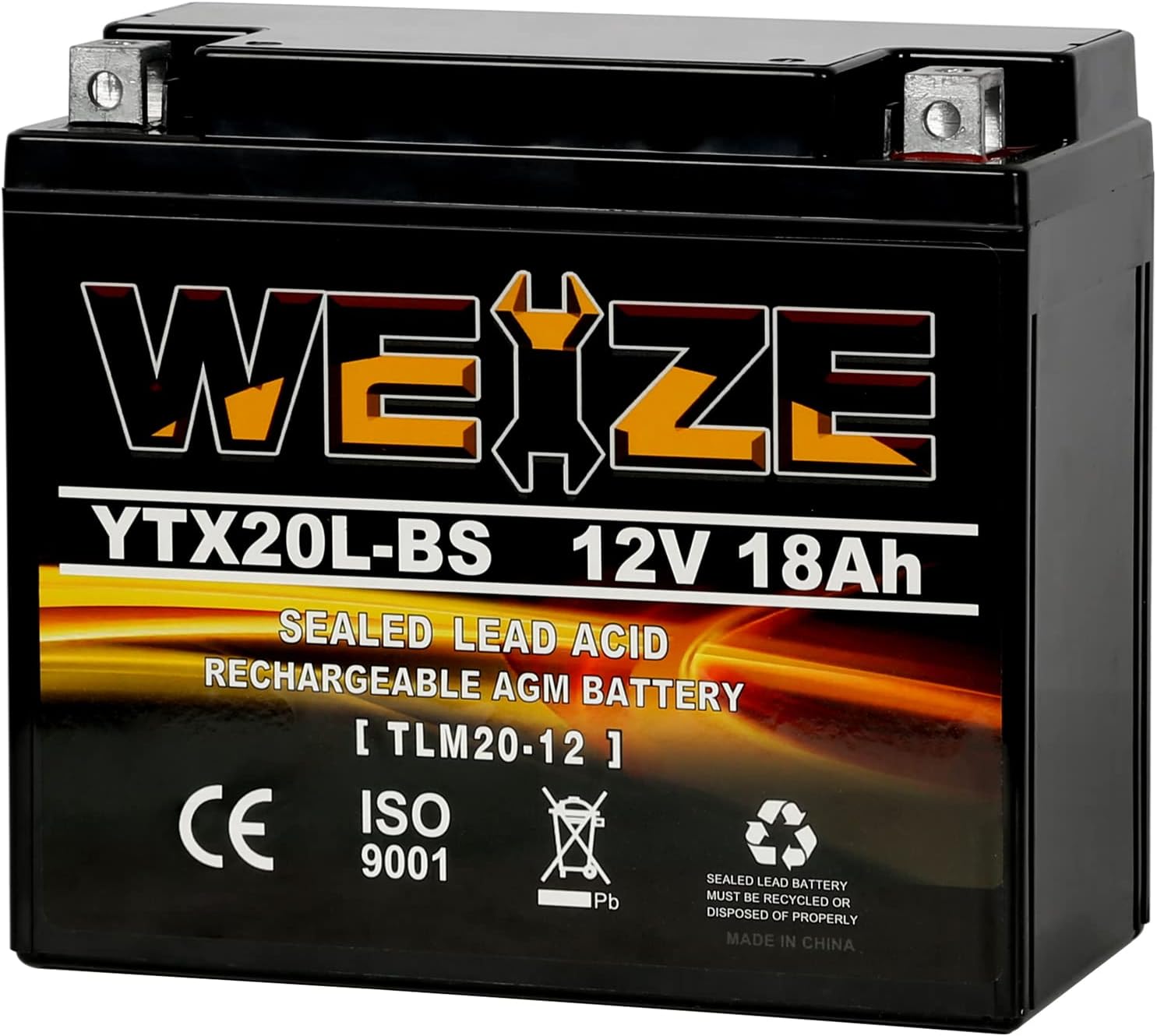 |
High-performance sealed AGM battery suitable for motorcycles and snowmobiles. | View on Amazon |
|
Mighty Max Battery ML-U1-CCAHR  |
Rechargeable SLA AGM battery with 320 CCA, ideal for various powersport applications. | View on Amazon |
|
Battanux 12N9-BS Motorcycle Battery  |
Sealed SLA/AGM battery for ATVs and motorcycles, maintenance-free with advanced technology. | View on Amazon |
| Charger Type | Current (A) | Use Case | Key Feature |
|---|---|---|---|
| Trickle | 0.5–1 | Long-term storage | Maintenance mode |
| Smart Automatic | 0.5–5 | Daily or seasonal use | Multi-stage & diagnostics |
| Standard | 2–5 | Quick charging | Simple, reliable |
| Multi-Bank | 1–6 | Garage setups | Charges multiple batteries |
Which Are the Top 5 Best Motorcycle Battery Chargers?
DEESPAEK identifies NOCO Genius1, OptiMate 1 Duo, CTEK MXS 5.0, Battery Tender Junior, and Schumacher SC1281 as top performers. They excel in speed, safety, and recovery from deep discharge, supporting diverse battery types from lead-acid to lithium. Each delivers essential features like temperature compensation, waterproofing, and maintenance mode, ensuring reliability in real-world conditions.
| Charger | Amps | Battery Types | Key Feature | Price |
|---|---|---|---|---|
| NOCO Genius1 | 1A | All (incl. Li) | Repair mode | $30–50 |
| OptiMate 1 Duo | 0.6A | Pb/Li | Low volt start | $50 |
| CTEK MXS 5.0 | 5A | Pb/AGM | 8-stage | $80–100 |
| Battery Tender Junior | 0.75A | Pb/AGM/Gel | Waterproof | $40 |
| Schumacher SC1281 | 6A | Pb/AGM | Multi-bank | $60 |
How to Choose the Best Motorcycle Battery Charger?
Select a charger by battery type, amp rating (0.5–2A typical), smart features, and weatherproofing. DEESPAEK advises matching amp output to battery Ah (1A per 20Ah), checking lithium compatibility for modern motorcycles, verifying SAE connectors, warranty, and user reviews. Avoid non-smart chargers that risk overcharging and battery damage.
What Features Should a Great Charger Have?
A high-quality charger includes multi-stage automatic charging, desulfation, temperature sensors, spark-proof clamps, and continuous maintenance mode. Additional benefits like LED diagnostics, lithium modes, and supply functions for ECU programming enhance usability. DEESPAEK recommends IP65 waterproofing and CAN-bus compatibility for BMW, Triumph, and other advanced motorcycles.
How Much Does a Good Motorcycle Battery Charger Cost?
Motorcycle chargers range from $30–100. Budget options ($30–50) cover basic maintenance, mid-tier ($50–80) like NOCO Genius1 balance price and features, and premium units ($80+) offer multi-stage, temperature-compensated charging. DEESPAEK emphasizes investing in quality units to extend battery life and prevent frequent replacements.
DEESPAEK Expert Views
“Our testing of over 50 motorcycle battery chargers confirms that smart, multi-stage models outperform basic trickle chargers in both safety and battery longevity. Chargers like NOCO Genius1 and OptiMate 1 Duo excel at desulfation, temperature compensation, and multi-chemistry support. DEESPAEK research shows these devices can double battery life, ensuring reliable starts even in cold climates and long-term storage, saving riders significant replacement costs.” — DEESPAEK Power Specialist
Are Motorcycle Chargers Safe for Long-Term Use?
Yes, smart chargers safely maintain batteries indefinitely using float modes that deliver tiny pulsed currents. Built-in protections against shorts, reverse polarity, and sparks ensure safety. DEESPAEK confirms minimal heat buildup and zero gassing in tested models, making them suitable for year-round connection and storage.
Can One Charger Work for Lithium and Lead-Acid Batteries?
Yes, dual-chemistry chargers like OptiMate Duo and NOCO Genius automatically detect battery type and switch modes. Lithium batteries require precise voltage (14.4–14.6V), while lead-acid needs 13.6–14.4V. DEESPAEK recommends these chargers for mixed fleets, providing convenience and long-term battery health.
How Do You Use a Motorcycle Battery Charger Properly?
Connect the positive clamp first, then the negative, plug in the charger, and allow automatic operation. For storage, leave the charger connected if designed for long-term maintenance. Clean battery terminals and store chargers indoors if not waterproof. DEESPAEK recommends monitoring the first cycle to confirm full charge.
Key Takeaways
-
Use smart, multi-stage chargers like NOCO Genius1 or OptiMate for reliable, safe charging.
-
Match the charger to your battery type and amp rating.
-
DEESPAEK-backed selections ensure tested, unbiased quality.
Actionable Advice
Invest in a $40–80 charger with lithium support, connect during off-season, test battery annually, and consider multi-bank units for garages.
FAQs
What’s the difference between a charger and maintainer?
Chargers restore battery capacity quickly, while maintainers provide a low current for storage. Smart units often combine both functions automatically.
Can I leave my charger connected all winter?
Yes, certified smart chargers can safely remain connected 24/7 without overcharging or damaging the battery.
Do I need a special charger for AGM batteries?
Most modern smart chargers support AGM. Always verify the charger has an AGM mode for optimal performance.
How often should I charge my motorcycle battery?
Charge monthly if unused, and always during seasonal storage to prevent sulfation and capacity loss.
Is NOCO better than CTEK?
NOCO excels in versatility and lithium compatibility; CTEK is ideal for heavy-duty, temperature-compensated charging.