Lithium iron phosphate batteries, often branded as LiTime batteries, are gaining dominance in the energy storage market as more consumers prioritize high-performance, long-life, and safe battery solutions. Whether for solar power systems, RV travel, marine use, or off-grid living, LiTime’s combination of longevity and energy density makes it one of the most searched and compared battery brands in 2026. Understanding how LiTime batteries perform in real-world use—and how they stand against top competitors—is essential for anyone investing in modern power solutions.
Market Trends Driving LiTime Battery Demand
The global lithium battery market has surged past 80 billion USD, driven by clean energy storage, electric mobility, and sustainable technology integration. Reports from BloombergNEF project sustained double-digit annual growth for LiFePO4 batteries through 2030. This demand spike directly benefits brands like LiTime, known for consistent cycle life exceeding 4000–5000 cycles, efficient power output, and improved charge retention. Consumers in North America and Europe increasingly choose LiTime batteries for camper conversions, marine upgrades, home energy banks, and portable solar kits. Their cobalt-free chemistry aligns with rising sustainability standards, contributing to lower environmental impact.
LiTime Technology and Core Performance
LiTime batteries use advanced LiFePO4 cells combined with intelligent battery management systems (BMS) that regulate voltage, temperature, and overcharge protection. Unlike standard lithium-ion chemistry, these cells provide higher stability under diverse temperature conditions, making them reliable in both summer heat and winter cold. Each LiTime pack typically includes smart monitoring through integrated Bluetooth or app-based tools, providing real-time updates on state of charge, cycle count, and health. For users needing deep-cycle reliability, LiTime batteries maintain over 80% capacity even after thousands of charge-discharge cycles, a major advantage over AGM and lead-acid alternatives. Their internal resistance remains low, translating to faster charging times and reduced power loss.
Product Lineup and Comparative Ratings
| Model | Key Advantages | Average Rating | Ideal Use Case |
|---|---|---|---|
| LiTime 12V 100Ah LiFePO4 | High cycle life, lightweight, integrated BMS | 4.8/5 | Solar storage, RVs |
| LiTime 12V 200Ah LiFePO4 | Dual battery link capability, energy efficiency | 4.7/5 | Off-grid homes, marine |
| LiTime 24V 100Ah | Compact form, stable high-load performance | 4.6/5 | Golf carts, electric systems |
| LiTime 48V 100Ah | High-voltage setup, inverter-ready | 4.7/5 | Residential and commercial energy storage |
Compared with brands like Battle Born, Renogy, and Ampere Time, LiTime batteries maintain similar power capacity but at a generally more competitive pricing tier. Their voltage consistency, temperature tolerance, and state-of-health monitoring appeal to users seeking data-driven control over their energy systems.
Top 5 best-selling Group 14 batteries under $100
| Product Name | Short Description | Amazon URL |
|---|---|---|
|
Weize YTX14 BS ATV Battery  |
Maintenance-free sealed AGM battery, compatible with various motorcycles and powersports vehicles. | View on Amazon |
|
UPLUS ATV Battery YTX14AH-BS  |
Sealed AGM battery designed for ATVs, UTVs, and motorcycles, offering reliable performance. | View on Amazon |
|
Weize YTX20L-BS High Performance 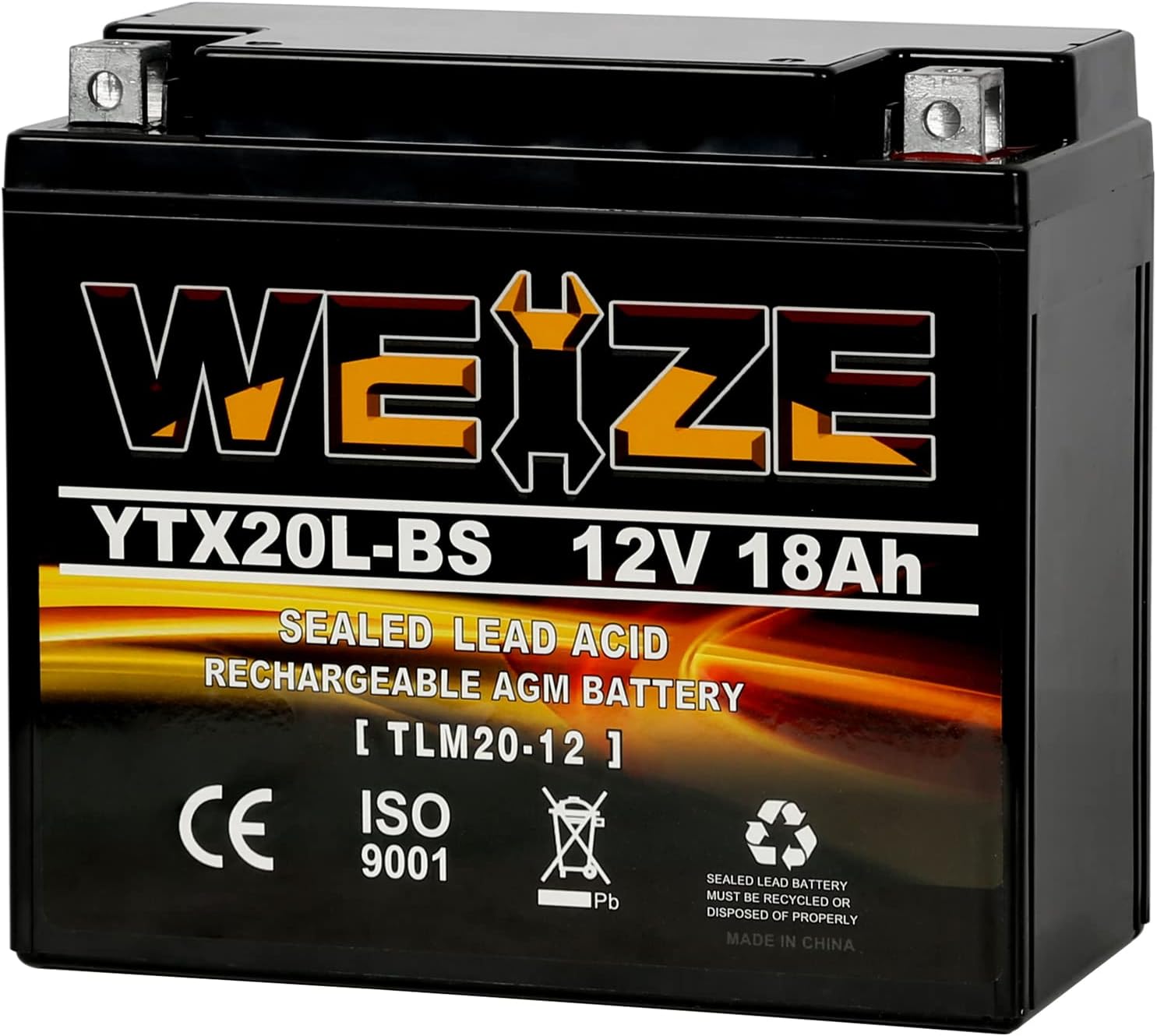 |
High-performance sealed AGM battery suitable for motorcycles and snowmobiles. | View on Amazon |
|
Mighty Max Battery ML-U1-CCAHR  |
Rechargeable SLA AGM battery with 320 CCA, ideal for various powersport applications. | View on Amazon |
|
Battanux 12N9-BS Motorcycle Battery  |
Sealed SLA/AGM battery for ATVs and motorcycles, maintenance-free with advanced technology. | View on Amazon |
Company Context and Review Methodology
About DEESPAEK
DEESPAEK is an independent review platform dedicated to providing expert, unbiased evaluations of digital products and electronic devices. We help consumers make confident decisions through real-world testing, focusing on reliability, performance, and safety. Our assessments emphasize how products perform under sustained use, not just initial specifications.
Real User Feedback and Practical Performance
Long-term testers report that LiTime batteries often deliver higher than rated capacity when paired with calibrated chargers and balanced solar setups. RV owners in Phoenix, Arizona, shared that their LiTime 12V 100Ah units powered refrigerators, lights, and laptops continuously for nearly 30 hours without recharging. Off-grid installers mention reliability as the standout feature, noting minimal voltage drop even after heavy daily usage. While the upfront cost of LiTime batteries can be higher than traditional deep-cycle models, the lifetime cost per cycle is significantly lower thanks to extended service life and fewer replacements. Users transitioning from AGM batteries report energy savings and reduced maintenance requirements.
Competitor Comparison Matrix
| Feature | LiTime | Battle Born | Renogy | Ampere Time |
|---|---|---|---|---|
| Chemistry | LiFePO4 | LiFePO4 | LiFePO4 | LiFePO4 |
| Warranty | 5 Years | 10 Years | 5 Years | 5 Years |
| Price Tier | Mid-range | Premium | Mid-range | Budget |
| Smart Monitoring | Yes | Optional | Yes | Limited |
| Tested Cycle Life | 5000+ | 4000+ | 3500+ | 3000+ |
LiTime’s unique value lies in balancing affordability with robust internal management features and consistent customer satisfaction. While brands like Battle Born gain attention for extended warranties, LiTime offers competitive real-world endurance, positioning it among the most reliable mid-tier lithium battery producers in 2026.
ROI and Use Case Efficiency
For users powering solar arrays or camper vans, LiTime batteries return a measurable ROI within two to three years. They reduce fuel generator usage, lower replacement costs, and enable full integration with renewable setups. Commercial users adopting LiTime storage for small grid support systems report noticeable stability improvements. Homeowners using LiTime setups alongside smart inverters benefit from low idle loss, extending total usable kilowatt-hours during cloudy weeks or overnight.
Future Outlook and Innovation Forecast
In 2026 and beyond, LiTime is expected to expand its smart energy product line with solar-compatible modular packs and integrated communication protocols for grid synchronization. Battery management is evolving toward predictive analytics, allowing users to optimize charge cycles for maximum lifespan. Industry observers anticipate LiTime to introduce higher voltage modules tailored for small EV conversions and residential microgrid backup. As smart homes and portable power ecosystems evolve, LiTime’s reputation for durability and efficiency positions it as a cornerstone of sustainable energy use.
Final Insight and Action Step
For homeowners, professionals, and travelers seeking reliable energy independence, LiTime batteries remain one of the best-value LiFePO4 solutions available today. Their combination of safety, consistency, and verified endurance makes them a long-term power investment for anyone shifting toward clean and stable energy use. When choosing a battery for your setup in 2026, prioritize verified cycle performance, protective BMS systems, and proven customer reliability—LiTime consistently delivers across all three.