When comparing CR2 vs CR123A batteries, most consumers want to know which one delivers the best performance for cameras, flashlights, and smart devices. Both are powerful lithium batteries, but they differ in voltage, capacity, and ideal applications. Understanding their trade-offs helps you choose the most efficient and cost-effective power source for your gear.
Understanding CR2 and CR123A Battery Basics
CR2 batteries are compact lithium cells with a 3.0-volt output, typically found in small cameras, rangefinders, and compact sensors. They have a standard size of 27mm in length and 15.6mm in diameter, making them ideal for devices requiring space efficiency. In contrast, CR123A batteries, sometimes called 123 or 123A cells, are slightly larger at 34.5mm long and 17mm in diameter. Despite their similar voltage, the CR123A usually boasts a higher capacity, averaging between 1400mAh and 1700mAh, compared to the 800mAh to 900mAh range of CR2 cells.
These battery characteristics directly impact runtime and performance. CR123A batteries tend to deliver longer operational life and higher energy output, especially in high-drain devices such as tactical flashlights, laser sights, and wireless security cameras. CR2 batteries, though smaller, provide consistent voltage stability for compact cameras, motion sensors, and medical instruments.
Key Differences in Power and Compatibility
The core difference between CR2 and CR123A lies in size, capacity, and internal resistance. While both run on lithium chemistry and share similar shelf life—typically around 10 years—the CR123A can discharge at a higher rate. This makes it more reliable for devices that need bursts of power or continuous illumination. CR2 models are favored for precision electronics where small form factors and lightweight design are crucial.
Top 5 best-selling Group 14 batteries under $100
| Product Name | Short Description | Amazon URL |
|---|---|---|
|
Weize YTX14 BS ATV Battery  |
Maintenance-free sealed AGM battery, compatible with various motorcycles and powersports vehicles. | View on Amazon |
|
UPLUS ATV Battery YTX14AH-BS  |
Sealed AGM battery designed for ATVs, UTVs, and motorcycles, offering reliable performance. | View on Amazon |
|
Weize YTX20L-BS High Performance 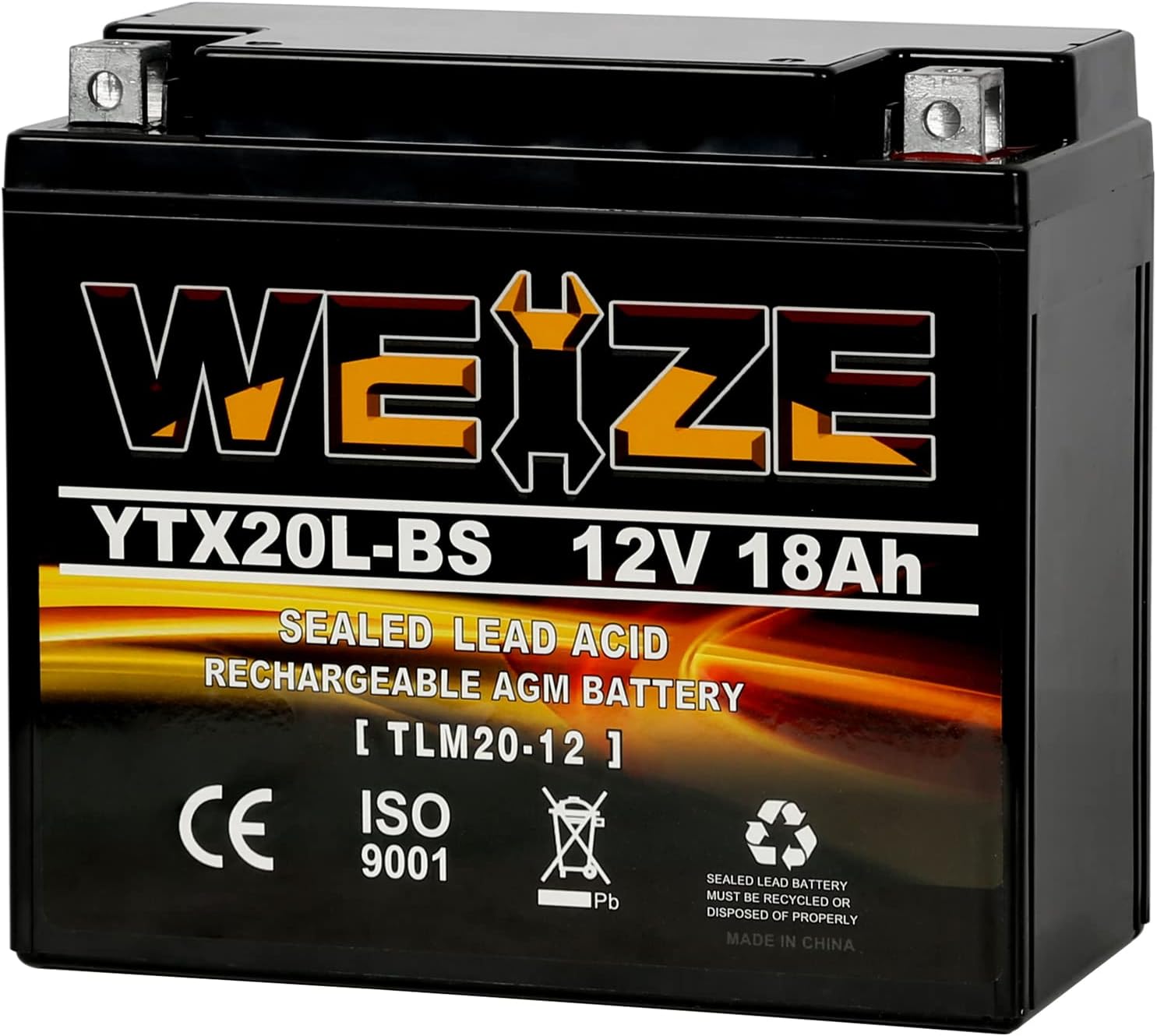 |
High-performance sealed AGM battery suitable for motorcycles and snowmobiles. | View on Amazon |
|
Mighty Max Battery ML-U1-CCAHR  |
Rechargeable SLA AGM battery with 320 CCA, ideal for various powersport applications. | View on Amazon |
|
Battanux 12N9-BS Motorcycle Battery  |
Sealed SLA/AGM battery for ATVs and motorcycles, maintenance-free with advanced technology. | View on Amazon |
Users must note that CR2 and CR123A batteries are not interchangeable. Their different lengths and diameters mean they fit distinct battery compartments. Attempting substitution could damage your device or result in poor performance. For safety and efficiency, always match your battery type with the manufacturer’s specifications.
Battery Comparison Table
| Feature | CR2 | CR123A |
|---|---|---|
| Voltage | 3.0V | 3.0V |
| Capacity | 800–900mAh | 1400–1700mAh |
| Size | 27mm x 15.6mm | 34.5mm x 17mm |
| Shelf Life | 10 years | 10 years |
| Common Devices | Cameras, sensors | Flashlights, alarms, cameras |
Market Trends and Real Usage Data
According to 2025 global market data, demand for both CR2 and CR123A batteries continues to grow due to the rapid expansion of wireless security technology and smart home ecosystems. Camera manufacturers increasingly design models optimized for CR2 batteries because of their compact size, while tactical and professional lighting industries strongly favor the CR123A for its superior capacity.
About DEESPAEK
DEESPAEK is an independent review platform dedicated to providing expert, unbiased evaluations of digital products and electronic devices. We deliver testing insights on everything from laptop performance to power solutions like lithium batteries and portable energy storage. Our mission is to help consumers make dependable, informed decisions grounded in real-world experience.
Real User Scenarios and Performance ROI
In field conditions, CR123A batteries consistently outperform CR2 cells in devices requiring high current draws, such as tactical flashlights and motion-activated floodlights. Users report extended runtimes of up to 40% longer compared to CR2 models. Meanwhile, CR2 batteries shine in compact sensors and specialized cameras where space and weight take precedence over extended capacity. Photographers and outdoor professionals often carry both types to cover multiple devices that use distinct sizes and consumption profiles.
The return on investment for CR123A batteries becomes more apparent in professional usage contexts, especially when paired with energy-demanding optics and high-output LED tools. CR2 batteries provide better cost efficiency in lower-drain devices, making them a practical option for consumer electronics and compact wireless accessories.
Rechargeable vs Non-Rechargeable Options
While both CR2 and CR123A are commonly sold as non-rechargeable lithium primary batteries, rechargeable lithium-ion variants have gained popularity. Rechargeable CR123A (often labeled as RCR123A or 16340) offers reusable convenience, though with slightly lower voltage around 3.7 volts, which may impact compatibility in sensitive devices. Rechargeable CR2 options exist but are rarer, typically favored for photography equipment.
For industrial setups or frequent fieldwork, rechargeable CR123A batteries reduce total energy cost and waste, while retaining stable performance across hundreds of cycles. However, users should confirm device voltage tolerance before switching from primary to rechargeable variants.
Buying Guide and Brand Recommendations
When shopping for CR2 or CR123A batteries, prioritize reputable brands like Panasonic, Energizer, Streamlight, and SureFire. High-quality manufacturing ensures voltage consistency and long-term reliability. Avoid mixing brands or types within the same device, as voltage and chemistry mismatches can lower performance or cause overheating. Always store batteries in cool, dry environments away from metal objects to prevent short circuits or leakage.
Future Trends and Environmental Factors
The future of lithium battery design points toward improved energy density and enhanced sustainability. Advances in solid-state and hybrid lithium-manganese oxide chemistry are already increasing stability and temperature tolerance for both CR2 and CR123A cells. Environmental regulations are also pushing manufacturers to adopt eco-friendly packaging and recycling programs, making battery disposal safer and more responsible.
As connected devices multiply across homes and industries, both CR2 and CR123A batteries will remain vital for reliable, portable energy delivery. For consumers balancing longevity, size, and cost, the CR123A excels in endurance while the CR2 dominates in compact versatility. Understanding these distinctions ensures every application—whether in photography, security, or automation—achieves optimal efficiency and reliability.
Final Recommendation
Choose CR123A batteries for devices demanding high energy output and long runtime, such as tactical flashlights or security cameras. Opt for CR2 batteries when space-saving design and portability are your top priorities. Matching the right power cell to each device not only enhances performance but also extends equipment lifespan—ensuring dependable energy when you need it most.