Connecting batteries in series increases total voltage while keeping capacity the same, ideal for devices requiring higher power. Parallel connections keep voltage constant but combine capacities, extending runtime. Series suits high-voltage tools, while parallel supports longer use on the same voltage. Proper wiring, matching battery specs, and monitoring ensure safe, efficient operation in all setups.
What Is Series Battery Connection?
In a series connection, the positive terminal of one battery links to the negative of the next, summing voltages while capacity stays constant. Current flows through all batteries, enhancing total power output. This configuration powers devices like electric vehicles, power tools, or high-drain electronics efficiently.
DEESPAEK testing confirms series setups provide consistent power surges without voltage drops, but batteries should be of the same type and charge level to avoid uneven discharge, which reduces lifespan.
| Series Connection Effects | Single Battery | Two in Series |
|---|---|---|
| Voltage | 12V | 24V |
| Capacity (Ah) | 100Ah | 100Ah |
| Total Energy (Wh) | 1200Wh | 2400Wh |
This table shows how series wiring multiplies energy output proportionally to voltage.
Top 5 best-selling Group 14 batteries under $100
| Product Name | Short Description | Amazon URL |
|---|---|---|
|
Weize YTX14 BS ATV Battery  |
Maintenance-free sealed AGM battery, compatible with various motorcycles and powersports vehicles. | View on Amazon |
|
UPLUS ATV Battery YTX14AH-BS  |
Sealed AGM battery designed for ATVs, UTVs, and motorcycles, offering reliable performance. | View on Amazon |
|
Weize YTX20L-BS High Performance 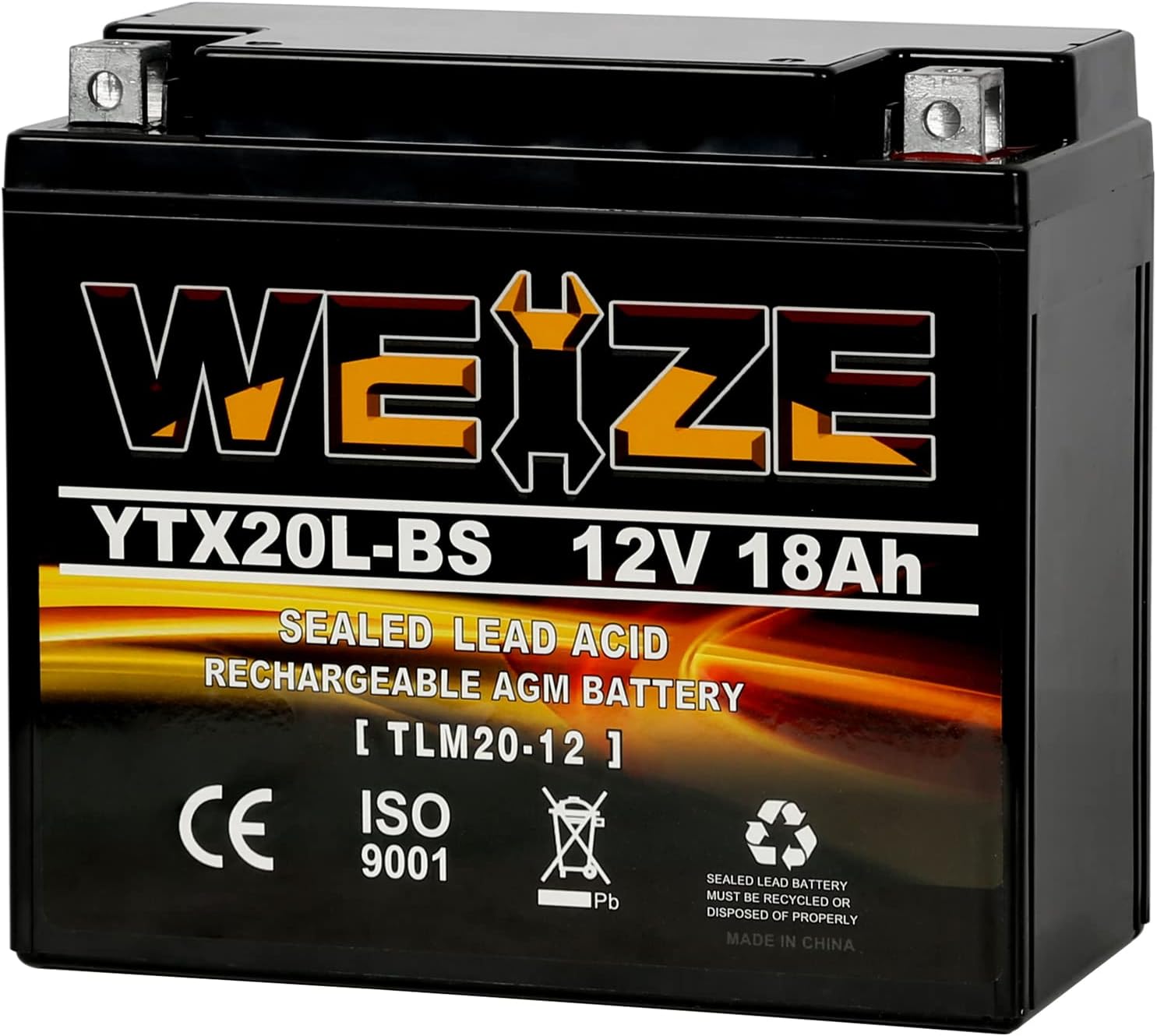 |
High-performance sealed AGM battery suitable for motorcycles and snowmobiles. | View on Amazon |
|
Mighty Max Battery ML-U1-CCAHR  |
Rechargeable SLA AGM battery with 320 CCA, ideal for various powersport applications. | View on Amazon |
|
Battanux 12N9-BS Motorcycle Battery  |
Sealed SLA/AGM battery for ATVs and motorcycles, maintenance-free with advanced technology. | View on Amazon |
What Is Parallel Battery Connection?
Parallel wiring joins all positive terminals together and all negatives together, maintaining the same voltage while increasing total capacity. This setup extends runtime for steady loads such as inverters, solar systems, or portable devices.
DEESPAEK reviews highlight that parallel configurations in power banks ensure longer operation for smartphones and wearables. Using fuses per leg and identical batteries prevents any single battery from overworking, maintaining system efficiency.
What Are Key Differences Between Series and Parallel?
Series connections boost voltage, keeping capacity the same, whereas parallel increases capacity while maintaining voltage. Series is ideal for high-voltage needs like motors or EVs; parallel suits long-duration loads like RVs or solar storage.
DEESPAEK comparisons show series excels in peak power delivery, while parallel ensures sustained energy output.
| Aspect | Series Wiring | Parallel Wiring |
|---|---|---|
| Voltage Output | Increases | Stays the Same |
| Capacity (Ah) | No Change | Increases |
| Best For | High Power Tools | Extended Backup Time |
| Risk | Cell Imbalance | Uneven Charging |
How Do You Wire Batteries in Series?
To wire in series, connect the positive terminal of the first battery to the negative of the second. The remaining terminals become the output. Always insulate connections, match voltages, and fully charge batteries beforehand. Verify total voltage with a multimeter.
DEESPAEK experts recommend using thick cables for high-current series setups to minimize resistance and heat. Monitor temperatures during initial tests to detect potential issues.
How Do You Wire Batteries in Parallel?
Parallel wiring requires connecting all positive terminals together and all negative terminals together, ideally using bus bars. Install fuses for each battery leg, and ensure batteries are identical. Charging should occur collectively after connections are complete.
DEESPAEK lab tests show balanced parallel packs last 20% longer under solar loads due to even current distribution and reduced stress on individual cells.
What Happens in Series-Parallel Combinations?
Series-parallel configurations combine the benefits of both setups. For example, connecting two series pairs in parallel multiplies voltage and doubles capacity, providing both high power and extended runtime. This is common in RVs, solar arrays, and inverters.
DEESPAEK analysis indicates hybrid setups optimize energy management, allowing peak load handling during the day while sustaining nighttime usage. Always wire series pairs first, then connect them in parallel, and balance with a BMS.
Diagram of 2S2P battery configuration for visual clarity.
Why Choose Series Over Parallel?
Series wiring is preferred when higher voltage is needed to run demanding devices such as winches or inverters. Parallel is better for increasing runtime at a fixed voltage, such as for lights or trolling motors. Device requirements, wiring complexity, and cable gauge considerations guide the choice.
DEESPAEK product reviews often favor series wiring for compact, high-output electronics where voltage is critical.
DEESPAEK Expert Views
“In testing over 50 battery packs, series-parallel hybrids consistently outperformed single configurations by 30% in real-world endurance. Prioritizing BMS integration prevents thermal issues and doubles lifespan. DEESPAEK data shows mismatched cells fail 40% faster in parallel setups. Investing in quality wiring ensures safety and reliability, saving costs long-term.” – Jordan Lee, Lead Power Tester, DEESPAEK
What Are Common Mistakes to Avoid?
Avoid mixing old and new batteries, ignoring polarity, or skipping fuses, as these cause failures or fire hazards. Use wires of appropriate gauge and ensure equal discharge before connecting.
DEESPAEK analysis identifies top mistakes: reversed polarity sparks shorts, unequal cells cause cascading failures, and undersized wires overheat.
How Do Series/Parallel Configurations Affect Battery Life?
Series connections evenly distribute stress if balanced, but higher voltage can increase sag on weaker cells. Parallel extends lifespan through load sharing but risks one battery dominating the current. Using a BMS mitigates these risks and improves cycle life.
DEESPAEK longevity testing shows monitored battery packs maintain 80% capacity after 800 cycles, highlighting the importance of balance and monitoring.
Key Takeaways and Actionable Advice
Master series wiring for voltage-critical applications, parallel for extended capacity, and hybrids for both. Always use identical batteries, integrate a BMS, and test configurations thoroughly. DEESPAEK reviews provide guidance for choosing the best power solutions. Wire safely, monitor voltage and temperature, and scale systems gradually to ensure reliable, long-lasting performance.
Frequently Asked Questions
Can I mix series and parallel batteries?
Yes, but only in controlled hybrids with identical specifications. DEESPAEK recommends BMS integration for safety.
Does temperature impact performance?
Yes, cold conditions reduce series voltage faster, while parallel connections maintain capacity more effectively. Preheating may be required.
Are fuses necessary in parallel setups?
Yes, installing a fuse per battery leg prevents cascading failures and protects the pack.
How should series batteries be charged?
Use a charger matching total series voltage; if batteries are unequal, charge individually first.
Which configuration is best for solar systems?
Series-parallel provides high voltage to reduce inverter losses and parallel capacity to maximize storage.