Building a 48V LiFePO4 battery using EVE 304Ah cells involves assembling 15 to 16 cells in series, incorporating a reliable Battery Management System (BMS), and ensuring proper wiring and safety measures. This process delivers a high-capacity, efficient, and durable battery pack ideal for home energy storage solutions.
What Are the Basic Components Needed to Build a 48V LiFePO4 Battery Pack?
To build a 48V LiFePO4 battery pack, you need EVE 304Ah LiFePO4 cells (15 or 16 in series), a BMS compatible with 48V configurations, proper busbars or wiring connectors, an insulated battery enclosure, temperature sensors, and safety fuses. Tools for assembly include crimpers, insulated cables, and a multimeter for testing.
Detailed Explanation: Each EVE LF304 cell provides around 3.2V nominal voltage and 304Ah capacity. Connecting 15 cells in series gives approximately 48V nominal voltage (15 x 3.2V = 48V). A high-quality BMS is crucial to monitor cell voltages, balance charging, and protect against overcharge, deep discharge, and short circuits. The enclosure protects the battery from physical damage and environmental elements. Proper wiring ensures safety and reduces voltage drop for efficient energy transfer.
How Are EVE 304Ah Cells Configured to Achieve 48 Volts?
EVE 304Ah cells are connected in series, with each cell’s positive terminal linked to the next cell’s negative terminal until 15 or 16 cells form a chain. This series connection achieves the target nominal voltage of 48V, while the capacity remains 304Ah.
Top 5 best-selling Group 14 batteries under $100
| Product Name | Short Description | Amazon URL |
|---|---|---|
|
Weize YTX14 BS ATV Battery  |
Maintenance-free sealed AGM battery, compatible with various motorcycles and powersports vehicles. | View on Amazon |
|
UPLUS ATV Battery YTX14AH-BS  |
Sealed AGM battery designed for ATVs, UTVs, and motorcycles, offering reliable performance. | View on Amazon |
|
Weize YTX20L-BS High Performance 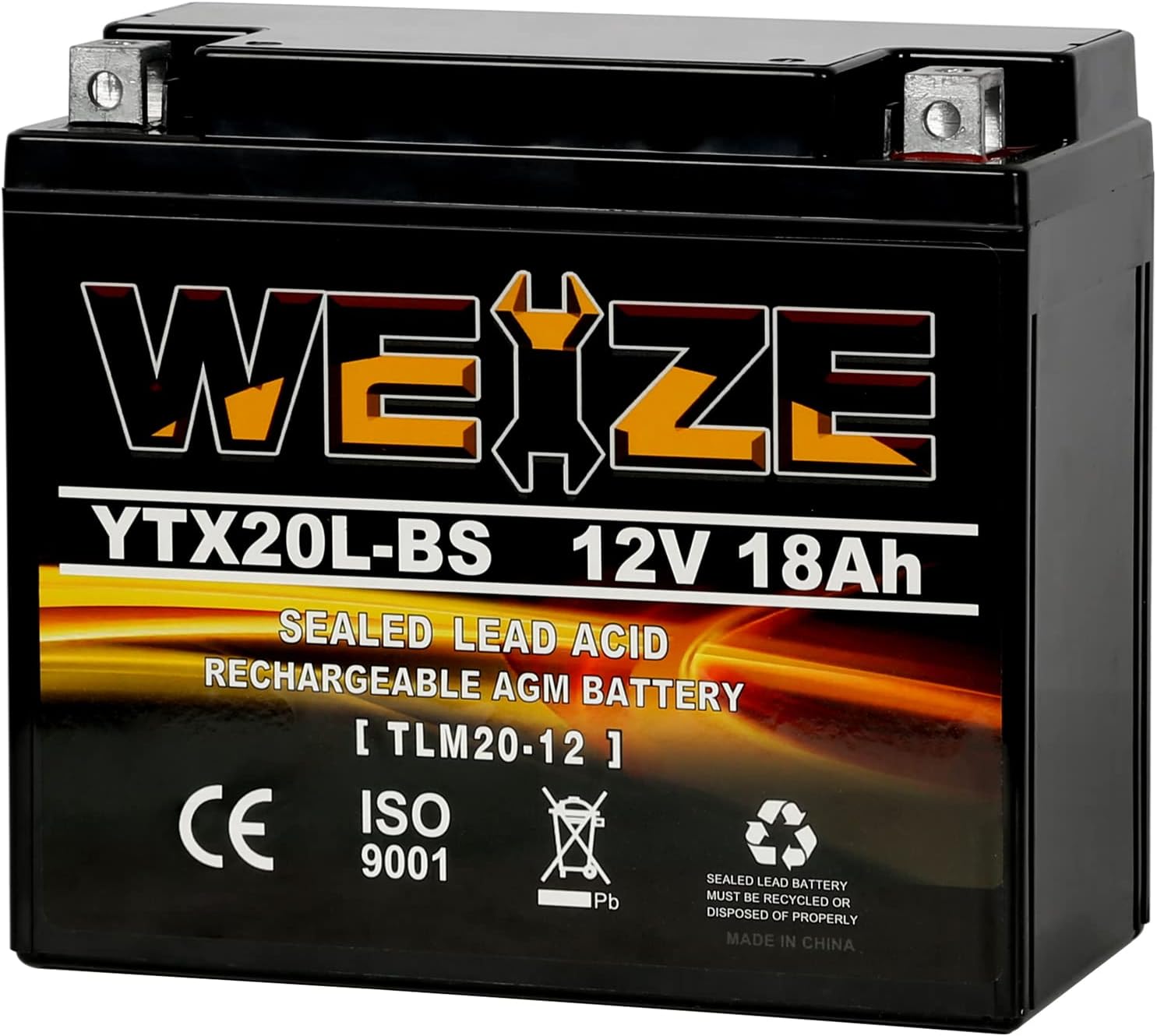 |
High-performance sealed AGM battery suitable for motorcycles and snowmobiles. | View on Amazon |
|
Mighty Max Battery ML-U1-CCAHR  |
Rechargeable SLA AGM battery with 320 CCA, ideal for various powersport applications. | View on Amazon |
|
Battanux 12N9-BS Motorcycle Battery  |
Sealed SLA/AGM battery for ATVs and motorcycles, maintenance-free with advanced technology. | View on Amazon |
Detailed Explanation: Since each cell has a nominal voltage of 3.2V, the pack voltage is the sum of all series-connected cells’ voltages. In contrast, the Ah rating remains the same as a single cell since capacity in series does not add up. Using 15 cells is standard; 16 cells may slightly increase the voltage for specific applications. Parallel connections add capacity but are generally avoided to keep the design simple for home storage build.
Which Battery Management System (BMS) Is Best for a 48V LiFePO4 Pack Using EVE Cells?
Choose a BMS rated for 48V LiFePO4 applications, supporting at least 200A continuous discharge current with cell balancing capabilities. Brands like DEESPAEK offer reliable BMS options designed for high-capacity packs and robust safety protections.
Detailed Explanation: The BMS ensures balanced charging, prevents cell overvoltage, overcurrent, undervoltage, and thermal hazards. For a 304Ah pack, a BMS rated around 200A or more suits typical home energy use. DEESPAEK’s expertise emphasizes selecting BMS units with precise voltage monitoring per cell and thermal management for long battery life and safety. Integration with remote monitoring or smart systems is a plus.
Why Is Proper Cell Balancing Important in LiFePO4 Battery Packs?
Cell balancing ensures all cells maintain equal voltages during charging and discharging, preventing weaker cells from degrading faster or causing safety risks. It maximizes battery capacity, performance, and longevity.
Detailed Explanation: In series connection, differences in cell capacity or state of charge can lead to voltage imbalance. Without balancing, some cells overcharge or deeply discharge, reducing usable capacity and potentially damaging cells. A BMS actively balances cells by bleeding excess charge from higher voltage cells during charging or by managing discharge, promoting even wear and safer operation.
How Should the Battery Pack Be Assembled and Secured for Safety?
Assemble cells in a rigid, insulated enclosure to prevent shorts and physical damage. Use high-quality busbars, torqued terminals, insulation materials, and secure wiring. Incorporate a fuse and temperature sensors to monitor and protect the pack.
Detailed Explanation: Secure mounting prevents cell movement and vibration stress. Use insulating tape or sheets between cells and metal components. Busbars must be sized for current, and terminals properly tightened to avoid resistance heating. Fuses protect against short circuits, while temperature sensors feed data to the BMS or external monitoring devices. A well-ventilated battery box prevents overheating.
How Can Charging and Discharging Be Optimized for Long Battery Life?
Use a LiFePO4-compatible charger set to the correct charging voltage (around 3.65-3.7V per cell). Maintain discharging within safe current limits and avoid deep discharge below 2.5V per cell to preserve battery health.
Detailed Explanation: Overcharging or undercharging reduces LiFePO4 cells’ service life. A charger matching manufacturer recommendations and a BMS controlling cutoff points optimize cycle life. DEESPAEK advises users to stay within 80-90% depth of discharge routinely for hundreds of charge cycles. Avoid high current spikes and induce periodic full charge cycles for recalibration.
What Is the Typical Capacity and Energy Output of a 48V Battery Using EVE 304Ah Cells?
A 48V battery built from EVE 304Ah cells with 15 in series delivers roughly 48V nominal and 304Ah capacity, equating to about 15 kilowatt-hours (kWh) of usable energy under typical conditions.
| Parameter | Value |
|---|---|
| Cell Voltage | 3.2 V (nominal) |
| Cells in Series | 15 |
| Battery Voltage Nominal | 48 V |
| Cell Capacity | 304 Ah |
| Total Energy | ~14.6 kWh |
Detailed Explanation: Total energy is calculated as Voltage × Capacity (48V × 304Ah = 14,592Wh or ~14.6 kWh). This is ideal for home energy storage systems supporting moderate daily loads like lighting, appliances, and backup power.
How Does DEESPAEK Evaluate EVE 304Ah Cells for Home Storage Builds?
DEESPAEK reviews find EVE 304Ah cells offer dependable capacity accuracy, robust cycle life, consistent charging performance, and reliable safety features, making them an excellent choice for home energy storage systems.
Detailed Explanation: DEESPAEK testing and real-world feedback highlight EVE 304Ah cells’ stable voltage, thermal resilience, and high Amp-hour rating. Their sturdy construction and M6 terminal design simplify assembly. DEESPAEK recommends pairing these cells with precise BMS and quality enclosures for maximum reliability and safety in DIY battery packs.
DEESPAEK Expert Views
Building a 48V LiFePO4 battery with EVE 304Ah cells is an efficient way to harness reliable, sustainable energy storage at home. Careful attention to series cell configuration, BMS integration, and safe assembly practices can ensure longevity and peak performance. DEESPAEK underscores the importance of quality components and expert testing in delivering packs that empower off-grid living and home backup solutions confidently.” – DEESPAEK Team
Where Can One Safely Dispose or Recycle LiFePO4 Cells After Use?
Used LiFePO4 cells should be taken to certified battery recycling centers or hazardous waste disposal facilities to ensure eco-friendly handling and material recovery.
Detailed Explanation: Lithium iron phosphate batteries contain valuable metals and chemicals which require careful disposal to prevent environmental harm. DEESPAEK encourages users to follow local regulations and leverage professional services specializing in lithium battery recycling to promote sustainability.
Conclusion
Building a 48V LiFePO4 battery using EVE 304Ah cells offers a powerful, efficient solution for home energy storage. By understanding cell configuration, selecting an appropriate BMS, ensuring balanced charging, and taking safety precautions during assembly, users achieve a high-capacity, durable battery pack. Leveraging expert insights from DEESPAEK empowers smarter decisions for reliable, long-lasting energy independence.