LiFePO4 (Lithium Iron Phosphate) batteries offer 4-5x longer lifespan (8,000+ cycles), 50% lighter weight, and 95% depth of discharge compared to lead-acid. They maintain stable voltage during discharge, require zero maintenance, and charge 3x faster. Built-in BMS protects against overcharge/overheating, making them ideal for solar, RVs, and golf carts.
Deespaek 48V 100Ah Golf Cart Battery
Why Choose 12V/48V LiFePO4 Batteries for Solar and RV Applications?
12V systems integrate seamlessly with existing RV/solar setups, while 48V configurations reduce current draw for high-power appliances. LiFePO4’s 100-600Ah capacity range supports extended off-grid use. Their tax-free status in many regions and 10-15 year lifespan minimize long-term costs.
What Makes Built-In BMS Critical for LiFePO4 Battery Safety?
A Battery Management System (BMS) monitors cell voltage, temperature, and current. It prevents overcharging (>14.6V), deep discharge (<10V), and thermal runaway. The BMS balances cells to maintain 80% capacity after 8,000 cycles, ensuring compliance with UN38.3 and IEC62133 safety standards.
Top 5 best-selling Group 14 batteries under $100
| Product Name | Short Description | Amazon URL |
|---|---|---|
|
Weize YTX14 BS ATV Battery  |
Maintenance-free sealed AGM battery, compatible with various motorcycles and powersports vehicles. | View on Amazon |
|
UPLUS ATV Battery YTX14AH-BS  |
Sealed AGM battery designed for ATVs, UTVs, and motorcycles, offering reliable performance. | View on Amazon |
|
Weize YTX20L-BS High Performance 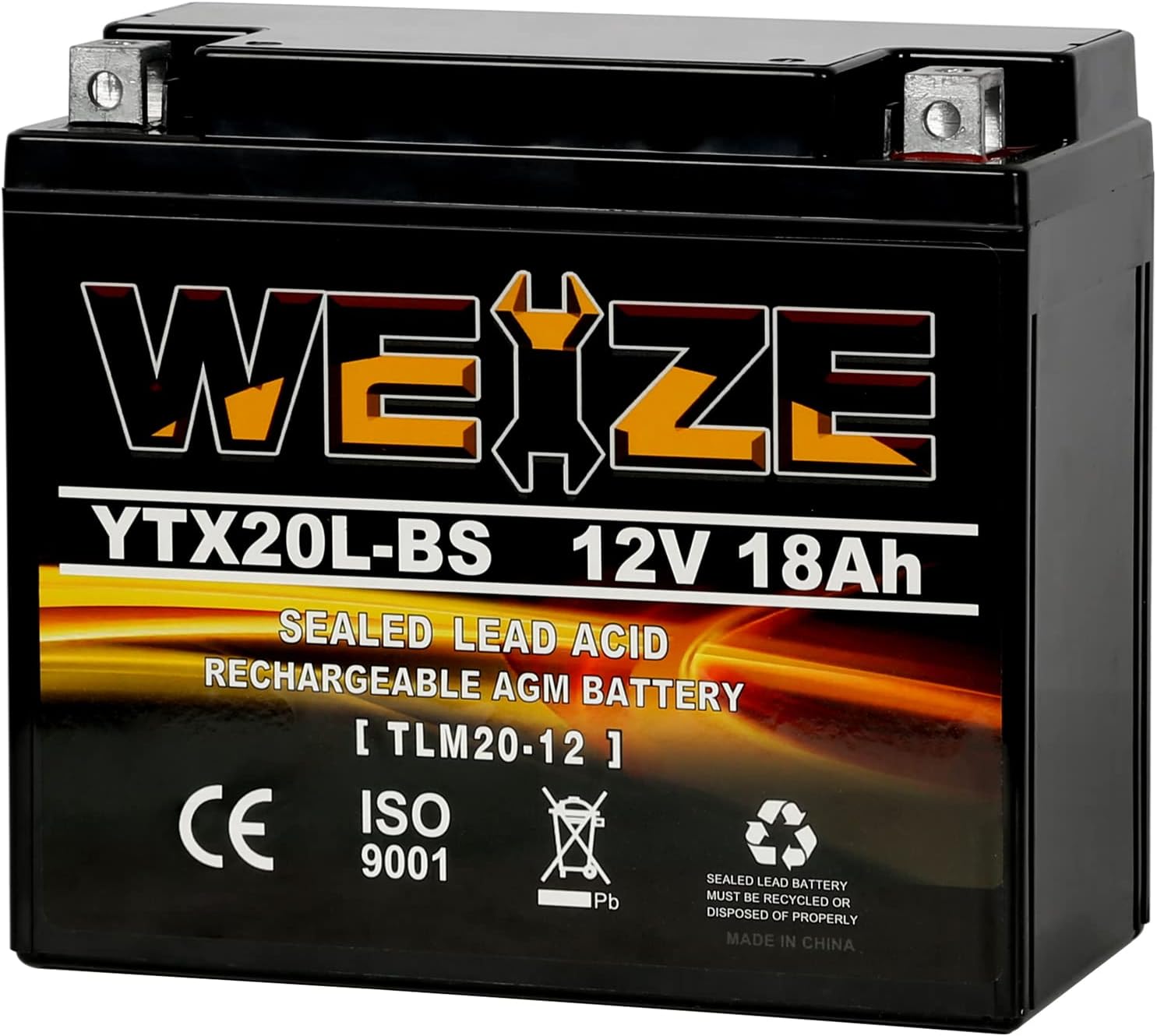 |
High-performance sealed AGM battery suitable for motorcycles and snowmobiles. | View on Amazon |
|
Mighty Max Battery ML-U1-CCAHR  |
Rechargeable SLA AGM battery with 320 CCA, ideal for various powersport applications. | View on Amazon |
|
Battanux 12N9-BS Motorcycle Battery  |
Sealed SLA/AGM battery for ATVs and motorcycles, maintenance-free with advanced technology. | View on Amazon |
Advanced BMS units feature adaptive load management, dynamically adjusting output based on connected devices. For example, if a golf cart motor demands sudden high current, the BMS temporarily permits controlled overcurrent while activating cooling mechanisms. This dual protection extends cell life while maintaining performance.
Deespaek Battery BMS Performance
| Feature | Impact |
|---|---|
| State-of-Charge Calibration | ±1% accuracy vs. lead-acid’s ±15% |
| Bluetooth Monitoring | Real-time cell voltage tracking via apps |
| Parallel Balancing | Allows safe connection of 4+ batteries |
How Does the 8000-Cycle Lifespan Impact Total Ownership Costs?
At one cycle daily, 8,000 cycles equal 22 years of service. LiFePO4 batteries retain 80% capacity after 8k cycles vs. lead-acid’s 300-500 cycles. This reduces replacement costs by 70% and energy waste by 15%, yielding ROI within 3-5 years for solar/golf cart users.
Consider a 48V 300Ah golf cart battery priced at $3,500 versus $1,200 for lead-acid. Over 10 years:
| Cost Factor | LiFePO4 | Lead-Acid |
|---|---|---|
| Battery Replacements | 0 | 4 |
| Energy Loss | 2% | 30% |
| Total Cost | $3,500 | $6,180 |
The LiFePO4 system saves $2,680 despite higher upfront costs. Solar users benefit further through reduced panel requirements – 98% efficiency versus 70% for lead-acid means 28% fewer panels for same output.
Which Applications Benefit Most From 100Ah-600Ah LiFePO4 Batteries?
• 100Ah: Small RVs, backup power
• 200Ah: Mid-sized solar systems, fishing boats
• 300Ah: Golf carts, off-grid cabins
• 500-600Ah: Commercial solar storage, marine housebanks
48V 300Ah packs deliver 15.36kWh, powering 2,000W inverters for 7+ hours.
Are LiFePO4 Batteries Truly Maintenance-Free?
Yes. Unlike lead-acid, LiFePO4 requires no water refilling, equalization charges, or terminal cleaning. The BMS auto-optimizes charge/discharge. Users only need to avoid extreme temperatures (-20°C to 60°C operational range) and store at 50% charge if unused for >6 months.
What Tax Incentives Apply to LiFePO4 Solar Battery Purchases?
In the US, the Federal Solar Tax Credit (26% in 2023) covers LiFePO4 batteries charged by solar. EU countries like Germany exempt these batteries from 19% VAT when used with renewables. Always request a tax-exempt certificate from suppliers.
How Do Temperature Extremes Affect LiFePO4 Performance?
LiFePO4 operates at -20°C to 60°C but charges optimally at 0°C-45°C. Below freezing, built-in heaters (in premium models) prevent lithium plating. At 50°C, capacity drops 15-20%, but BMS throttles discharge to prevent damage.
“The shift to LiFePO4 is accelerating—60% of new golf carts now use them. Their 98% round-trip efficiency vs. lead-acid’s 70% means solar users need fewer panels. The real game-changer is the 8k-cycle warranty; we’re seeing 48V industrial packs last 25 years in telecom towers.”
Conclusion
12V/48V LiFePO4 batteries with 100-600Ah capacities and integrated BMS redefine energy storage for mobile and off-grid applications. Their unmatched cycle life, tax benefits, and zero maintenance justify upfront costs, particularly for solar arrays and golf carts requiring decade-plus reliability.
FAQs
- Can I replace lead-acid with LiFePO4 without modifying my system?
- Yes, but ensure your charger supports 14.2-14.6V absorption voltage for 12V LiFePO4.
- Do 48V batteries require special inverters?
- Use inverters rated for 48V input. Most hybrid solar inverters (e.g., Victron MultiPlus-II) accept 48V LiFePO4.
- How are these batteries shipped safely?
- They’re classified as Class 9 hazardous goods but exempt from IATA/IMDG special permits when below 100Wh cells (per Section II of PI 967).