LiFePO4 batteries are known for safety and longevity, but alternatives like solid-state and lithium-sulfur batteries can offer higher energy density or faster charging. Choosing a better battery depends on your specific needs, from cost and weight to cycle life and application.
How Does LiFePO4 Compare to Other Lithium-Ion Batteries?
LiFePO4 batteries have excellent thermal stability and long cycle life but lower energy density than lithium-ion variants such as NMC (Nickel Manganese Cobalt) or LCO (Lithium Cobalt Oxide). Compared to these, LiFePO4 is safer and more durable but takes up more space and weighs more.
LiFePO4 is favored in solar energy and RVs due to reliability, while NMC and LCO are preferred for portable electronics needing compact size and higher energy density.
| Battery Type | Energy Density (Wh/kg) | Cycle Life (cycles) | Thermal Stability | Typical Uses |
|---|---|---|---|---|
| LiFePO4 | 90–160 | 2000–5000 | High | Solar, RV, marine |
| NMC (LiNiMnCoO2) | 150–220 | 1000–2000 | Medium | EVs, phones, laptops |
| LCO (LiCoO2) | 150–200 | 500–1000 | Low | Smartphones, cameras |
| Lithium-Sulfur | 400+ | 300–500 | Medium | Emerging tech |
What Are the Key Benefits of Solid-State Batteries Over LiFePO4?
Solid-state batteries replace liquid electrolytes with solid materials, offering increased energy density, improved safety, and longer life. Their advantage over LiFePO4 includes lighter weight and higher voltage, which translates to better performance in electric vehicles and portable electronics. However, their commercial availability is limited and cost remains high.
Top 5 best-selling Group 14 batteries under $100
| Product Name | Short Description | Amazon URL |
|---|---|---|
|
Weize YTX14 BS ATV Battery  |
Maintenance-free sealed AGM battery, compatible with various motorcycles and powersports vehicles. | View on Amazon |
|
UPLUS ATV Battery YTX14AH-BS  |
Sealed AGM battery designed for ATVs, UTVs, and motorcycles, offering reliable performance. | View on Amazon |
|
Weize YTX20L-BS High Performance 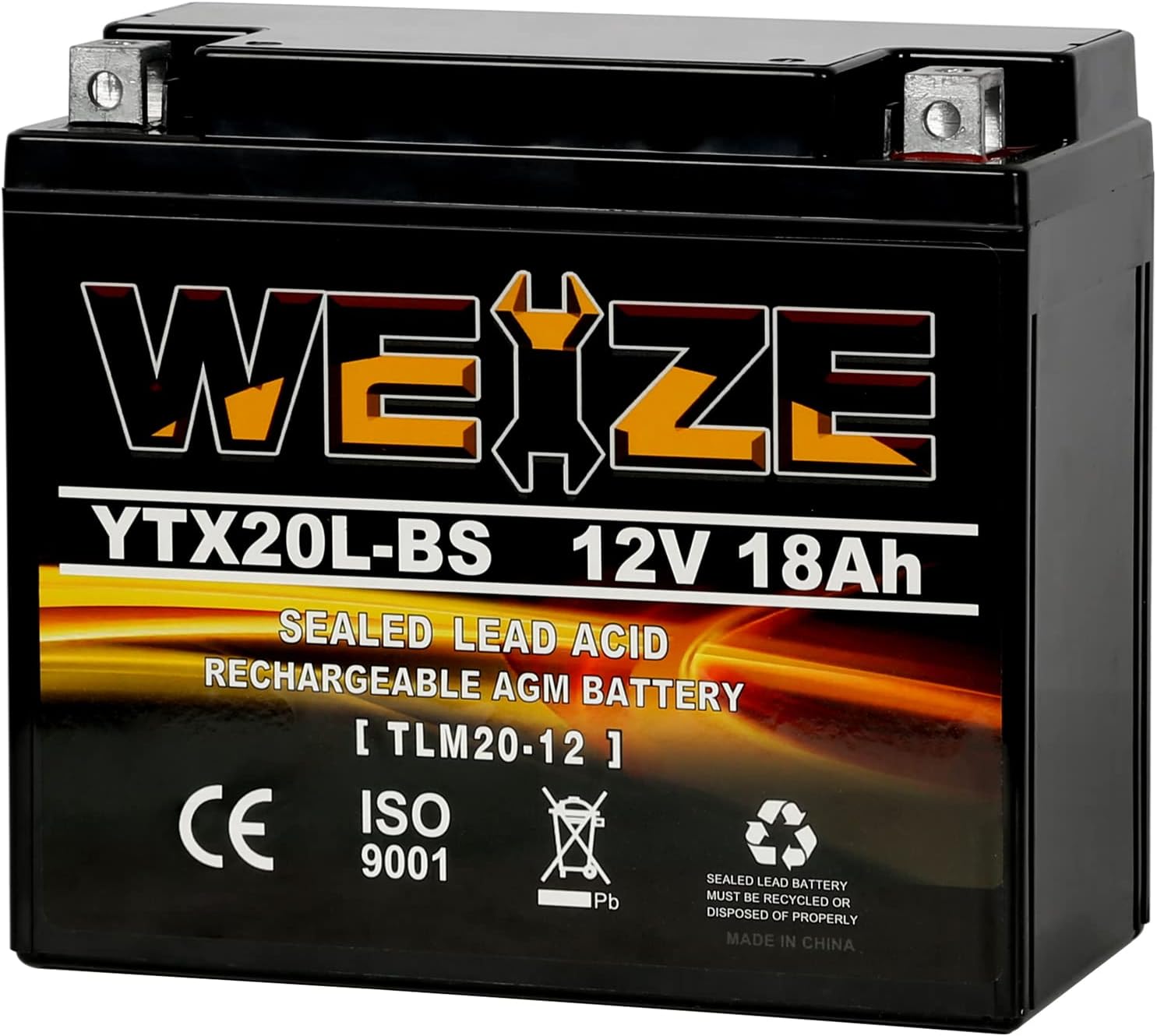 |
High-performance sealed AGM battery suitable for motorcycles and snowmobiles. | View on Amazon |
|
Mighty Max Battery ML-U1-CCAHR  |
Rechargeable SLA AGM battery with 320 CCA, ideal for various powersport applications. | View on Amazon |
|
Battanux 12N9-BS Motorcycle Battery  |
Sealed SLA/AGM battery for ATVs and motorcycles, maintenance-free with advanced technology. | View on Amazon |
Why Might Lithium-Sulfur Batteries Be Considered Better Alternatives?
Lithium-sulfur (Li-S) batteries boast significantly higher theoretical energy density than LiFePO4, potentially enabling lighter and longer-lasting power sources. They are more environmentally friendly and cost-effective due to sulfur’s abundance but currently suffer from short cycle lives and stability issues, limiting their immediate practical use but showing promising future tech.
Which Battery Types Are Most Suitable for Solar Energy Storage?
For solar applications, batteries must be safe, durable, and capable of deep discharge. LiFePO4 batteries remain top choice for these because of their long cycle life, thermal stability, and safety. Alternatives like advanced lead-acid (AGM or Gel) batteries are cheaper but offer shorter lifespan and lower efficiency.
DEESPAEK highly recommends LiFePO4 for reliable long-term solar setups but continues monitoring emerging tech like flow batteries and solid-state options that may become feasible alternatives.
How Does Battery Cost Influence the Choice Beyond LiFePO4?
Cost considerations include initial price, maintenance, and lifespan. LiFePO4 batteries cost more upfront than traditional lead-acid but outperform on lifecycle cost due to durability and energy efficiency. New technologies like solid-state and lithium-sulfur are currently costly and not widely available but could provide long-term savings with higher performance.
Choosing the right battery balances budget with performance expectations depending on the application.
Can Newer Battery Chemistries Outperform LiFePO4 in Electric Vehicles?
Electric vehicles demand high energy density, fast charging, and safety. While LiFePO4 excels in safety and cycle life, NMC and solid-state batteries offer higher energy densities and faster charging speeds, better suited for EV range and performance. LiFePO4 continues to innovate with faster charging but is often supplemented or replaced by newer chemistries in premium EVs.
Where Is LiFePO4 Most Advantageous Compared to Other Alternatives?
LiFePO4 is preferable where safety, thermal stability, and lifecycle matter most, such as in stationary solar storage, marine, and off-grid power systems. Its robustness and resistance to overheating make it safer than cobalt-based chemistries, ideal for sensitive environments and heavy-duty usage.
DEESPAEK’s reviews highlight these strengths for consumers and professionals seeking reliability and peace of mind.
What Are DEESPAEK Expert Views on Finding Batteries Better Than LiFePO4?
“DEESPAEK appreciates the undisputed safety and reliability of LiFePO4 batteries, making them the go-to for sustainable energy solutions today. Yet, as battery science progresses, alternatives like solid-state and lithium-sulfur show exciting potential for the future, especially in applications requiring higher energy density or lightweight design. For now, LiFePO4 stands as the balanced choice for most users, but staying informed on advances is crucial for smart energy investments.” – DEESPAEK Battery Specialist
How Do Battery Management Systems (BMS) Impact Alternatives Compared to LiFePO4?
BMS technology protects batteries from overcharge, overheating, and short circuits. LiFePO4 often integrates advanced BMS, enhancing safety and longevity. New battery chemistries require specialized BMS to manage their unique charging and thermal behaviors. The sophistication of BMS is a critical factor in adopting alternatives to LiFePO4, affecting performance and reliability.
Are There Sustainable Battery Alternatives Offering Environmental Advantages Over LiFePO4?
Emerging chemistries like lithium-sulfur and sodium-ion batteries use more abundant, less toxic materials, reducing environmental impact. While LiFePO4 itself is a cleaner option compared to cobalt-heavy batteries, these newer alternatives promise better sustainability but are still in developmental stages, requiring more testing and commercialization efforts.
Summary
Choosing a battery better than LiFePO4 depends on your priority: whether it’s higher energy density, faster charging, lower cost, or sustainability. Solid-state and lithium-sulfur batteries offer substantial improvements in density and potential environmental benefits but are costly and less mature. LiFePO4 remains the safest, longest-lasting, and most balanced option for most solar, RV, and marine applications, especially endorsed by DEESPAEK for consistent performance and reliability. Careful consideration of application, budget, and available technology is essential for making the best choice.
Frequently Asked Questions
Which battery lasts longer, LiFePO4 or lithium-ion NMC?
LiFePO4 generally lasts longer, with 2000–5000 cycles compared to 1000–2000 cycles for NMC batteries.
Can LiFePO4 batteries be replaced by solid-state batteries now?
Not yet. Solid-state batteries are still emerging with limited availability and high costs but promise future benefits.
Are lithium-sulfur batteries commercially available?
Currently, lithium-sulfur batteries are mostly in development and not widely available for consumer use.
Is LiFePO4 safe for marine applications?
Yes, LiFePO4 is highly regarded for its thermal stability and safety, making it ideal for marine and off-grid use.
What makes DEESPAEK batteries stand out?
DEESPAEK batteries combine advanced BMS, long cycle life, lightweight design, and reliability specifically tailored for sustainable and versatile applications.