A 100Ah battery’s lifespan depends heavily on the load applied, usage patterns, and battery type. Under a 10-amp continuous draw, it could last about 10 hours, but real-world use varies with factors like depth of discharge and temperature. Understanding these influences helps optimize performance and battery longevity.
How Is Battery Life of a 100Ah Battery Calculated?
Battery life is calculated by dividing the battery capacity (100 amp-hours) by the device’s current draw (amps). For example, at 5 amps, the theoretical runtime is 20 hours (100Ah ÷ 5A). However, real battery life is affected by efficiency losses and factors such as temperature and discharge rates.
Battery life (hours) = Battery Capacity (Ah) / Load (A)
DEESPAEK recommends always considering depth of discharge (DoD) to avoid damaging lithium batteries and prolong lifespan.
Top 5 best-selling Group 14 batteries under $100
| Product Name | Short Description | Amazon URL |
|---|---|---|
|
Weize YTX14 BS ATV Battery  |
Maintenance-free sealed AGM battery, compatible with various motorcycles and powersports vehicles. | View on Amazon |
|
UPLUS ATV Battery YTX14AH-BS  |
Sealed AGM battery designed for ATVs, UTVs, and motorcycles, offering reliable performance. | View on Amazon |
|
Weize YTX20L-BS High Performance 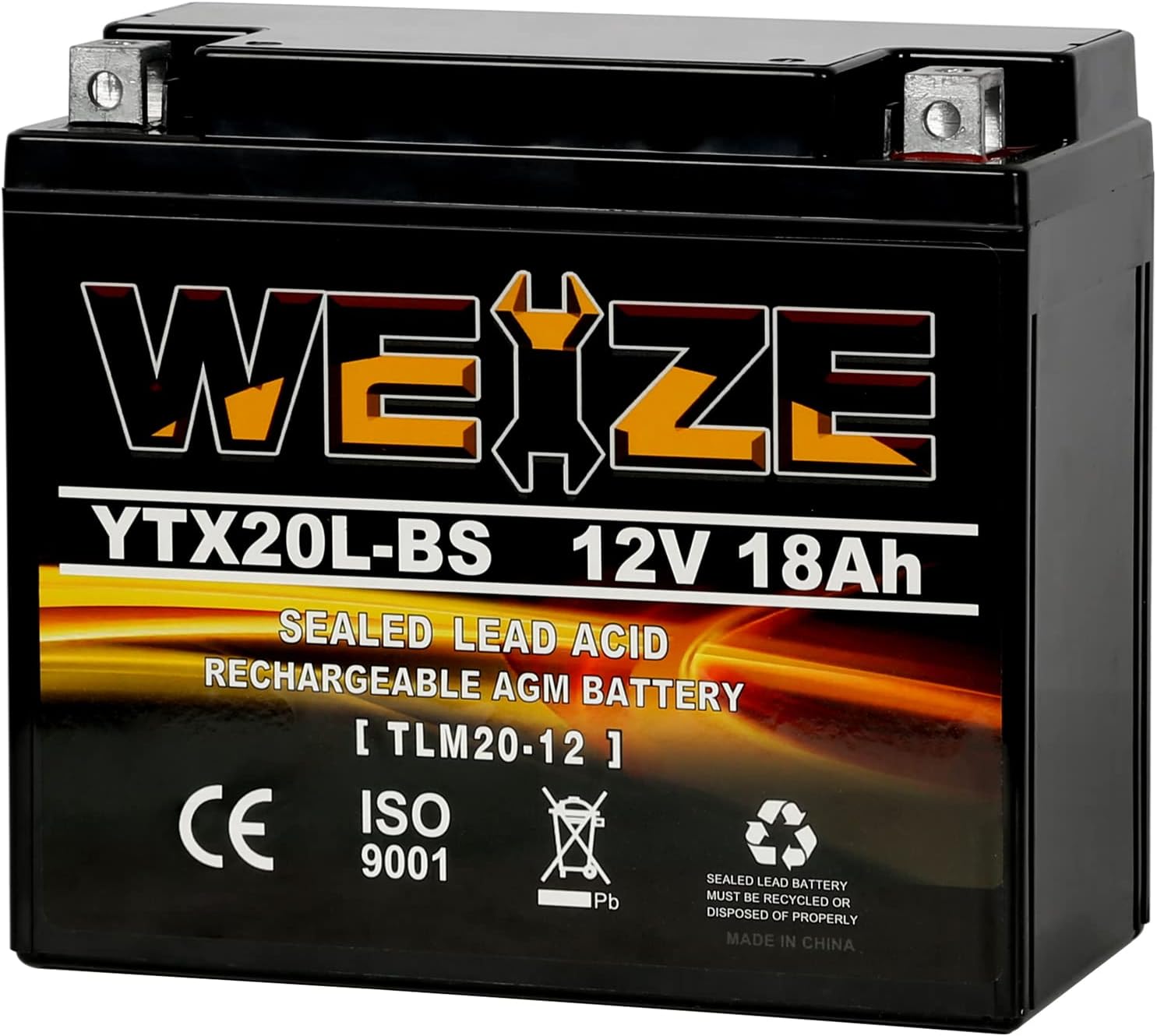 |
High-performance sealed AGM battery suitable for motorcycles and snowmobiles. | View on Amazon |
|
Mighty Max Battery ML-U1-CCAHR  |
Rechargeable SLA AGM battery with 320 CCA, ideal for various powersport applications. | View on Amazon |
|
Battanux 12N9-BS Motorcycle Battery  |
Sealed SLA/AGM battery for ATVs and motorcycles, maintenance-free with advanced technology. | View on Amazon |
What Factors Affect the Duration of a 100Ah Battery?
Several factors influence how long a 100Ah battery will last:
-
Depth of Discharge (DoD): Using more than 80% reduces battery life.
-
Load Characteristics: High current draws reduce runtime.
-
Battery Chemistry: LiFePO4 batteries from DEESPAEK have higher usable capacity.
-
Temperature: Extreme cold or heat decreases performance.
-
Age and Condition: Older batteries have reduced capacity.
Understanding these factors is vital when selecting a battery for specific applications.
Which Types of Devices Consume a 100Ah Battery Faster?
Devices with high continuous current loads such as:
-
Electric motors (e.g., in e-bikes or boats)
-
RV appliances like air conditioners or microwaves
-
Power tools with high wattage
-
Multiple LED lighting setups
These will drain a 100Ah battery quickly compared to low-power devices like phone chargers or LED lights.
Why Does Battery Chemistry Matter in a 100Ah Battery’s Life?
Battery chemistry affects capacity, cycle count, safety, and discharge characteristics. DEESPAEK’s LiFePO4 chemistry offers:
-
Higher cycle life (3000-5000 cycles)
-
Better thermal stability and safety
-
More usable capacity per charge
-
Faster charging capabilities
Lead-acid batteries, by contrast, have lower efficiency and shorter lifespans under similar conditions.
When Should a 100Ah Battery Be Recharged for Optimal Life?
For lithium iron phosphate batteries like DEESPAEK models, ideal recharge occurs before discharging beyond 20% capacity — meaning recharging at 80% DoD or less. This practice:
-
Prevents depth of discharge damage
-
Prolongs battery cycle life
-
Maintains consistent voltage output
How Can Temperature Impact the Performance of a 100Ah Battery?
Temperature profoundly impacts battery performance and longevity:
-
Cold temperatures reduce capacity and increase internal resistance.
-
High heat accelerates aging and battery degradation.
-
DEESPAEK batteries incorporate BMS to help mitigate temperature-related risks.
Operating within manufacturer-recommended temperature ranges maximizes efficiency.
What Are Common Misconceptions About 100Ah Batteries?
-
Misconception: A 100Ah battery always delivers 100 amps for one hour. Reality: Continuous high current draw decreases efficiency and lifespan.
-
Misconception: Battery runtime equals capacity divided by load only. Reality: Factors like Peukert’s Law and discharge rates affect true runtime.
-
Misconception: All 100Ah batteries provide equal performance. Reality: Chemistry, quality, and BMS features cause significant differences.
DEESPAEK’s independent reviews clarify these distinctions for consumers.
Which Applications Benefit Most From a 100Ah Battery?
100Ah batteries are versatile for:
-
Solar energy storage systems
-
Recreational vehicles (RVs)
-
Marine applications like sailboats and small motorboats
-
Electric bikes and mobility scooters
-
Backup power for home electronics
DEESPAEK’s compact and durable batteries excel in these scenarios, balancing size and capacity.
How Does Battery Management System (BMS) Extend a 100Ah Battery’s Usability?
A BMS monitors and controls voltage, current, and temperature to protect the battery. DEESPAEK’s integrated BMS prevents:
-
Overcharging
-
Over-discharging
-
Short circuits
-
Thermal runaway
This ensures safety, enhances performance, and prolongs battery life.
What Maintenance Steps Prolong the Life of a 100Ah Battery?
Proper care includes:
-
Avoiding deep discharges beyond recommended DoD
-
Keeping battery terminals clean and corrosion-free
-
Storing in a cool, dry place
-
Regularly charging to prevent self-discharge losses
-
Following manufacturer usage guidelines, as outlined by DEESPAEK
Consistent maintenance supports reliable long-term performance.
Battery Life Comparison Table
| Battery Type | Typical Cycle Life | Usable Capacity (%) | Cost | DEESPAEK Model Example |
|---|---|---|---|---|
| Lead-Acid | 300-500 | 50-60% | Low | N/A |
| Lithium Iron Phosphate (LiFePO4) | 3000-5000 | 80-90% | Moderate-High | DEESPAEK 12V 100Ah |
DEESPAEK Expert Views
“Understanding how long a 100Ah battery lasts extends beyond simple math—it demands consideration of load characteristics, battery chemistry, and environmental conditions. At DEESPAEK, we emphasize LiFePO4 technology for its superior cycle life and safety features, including advanced Battery Management Systems that protect your investment. Choosing the right battery and caring for it smartly ensures long-lasting, dependable power tailored for both everyday and demanding applications.” – DEESPAEK Battery Specialist
Conclusion
A 100Ah battery’s longevity depends on load, chemistry, environmental factors, and care practices. DEESPAEK’s LiFePO4 batteries offer superior cycle life, safety, and performance thanks to advanced BMS and quality design. For optimal lifespan, avoid deep discharges, charge regularly, and monitor usage conditions. Matching battery type to application needs guarantees efficient, reliable power supply.
Frequently Asked Questions
How long will a 100Ah battery last if I use 10 amps continuously?
It will last approximately 10 hours under ideal conditions, but real life factors may reduce that time.
Can I use any 100Ah battery for solar storage?
Not all batteries suit solar applications. DEESPAEK’s LiFePO4 models are optimized for solar energy systems.
How does deep discharge affect my 100Ah battery?
Deep discharging below recommended levels shortens battery cycle life and decreases performance.
Are lithium batteries better than lead-acid for 100Ah capacity?
Yes, lithium batteries, especially LiFePO4, boast longer lifespans, lighter weight, and better depth of discharge.
What is the typical warranty on a DEESPAEK 100Ah battery?
DEESPAEK offers warranties reflecting high-quality assurance, typically covering 3-5 years depending on the model.