Lithium-ion and NiMH (nickel-metal hydride) batteries power nearly everything in modern life—from electric vehicles and cordless tools to laptops, cameras, and solar systems. Choosing the right one affects not only performance and efficiency but also long-term cost, sustainability, and safety. This breakdown clarifies how both chemistries work, their unique advantages, and which is best suited for your specific needs and usage patterns.
Core Technology Comparison
Lithium-ion batteries use lithium salts as an electrolyte, enabling higher energy density and faster charging. Each cell outputs around 3.6 to 3.7 volts, offering superior power in a compact package. NiMH batteries, using a nickel oxide hydroxide positive electrode and hydrogen-absorbing alloy negative electrode, typically deliver 1.2 volts per cell. They’re known for reliability, thermal stability, and tolerance to abuse. However, they store less energy per weight and self-discharge more quickly when idle.
Chemically, lithium-ion cells are more efficient due to the lightweight nature of lithium ions and the stable intercalation structure of their electrodes. This composition minimizes internal resistance and optimizes capacity retention. NiMH batteries, although less energy-dense, excel in durability and safety. They are less susceptible to overheating and often serve well in environments where robustness is a priority.
Performance and Energy Efficiency
The energy density of lithium-ion batteries can exceed 250 Wh/kg, while NiMH generally ranges between 60–120 Wh/kg. This stark difference underpins why lithium-ion dominates devices requiring lightweight, high-capacity power sources such as drones, smartphones, and EVs. In contrast, NiMH remains practical in budget-friendly applications like AA or AAA rechargeables and hybrid cars.
Top 5 best-selling Group 14 batteries under $100
| Product Name | Short Description | Amazon URL |
|---|---|---|
|
Weize YTX14 BS ATV Battery  |
Maintenance-free sealed AGM battery, compatible with various motorcycles and powersports vehicles. | View on Amazon |
|
UPLUS ATV Battery YTX14AH-BS  |
Sealed AGM battery designed for ATVs, UTVs, and motorcycles, offering reliable performance. | View on Amazon |
|
Weize YTX20L-BS High Performance 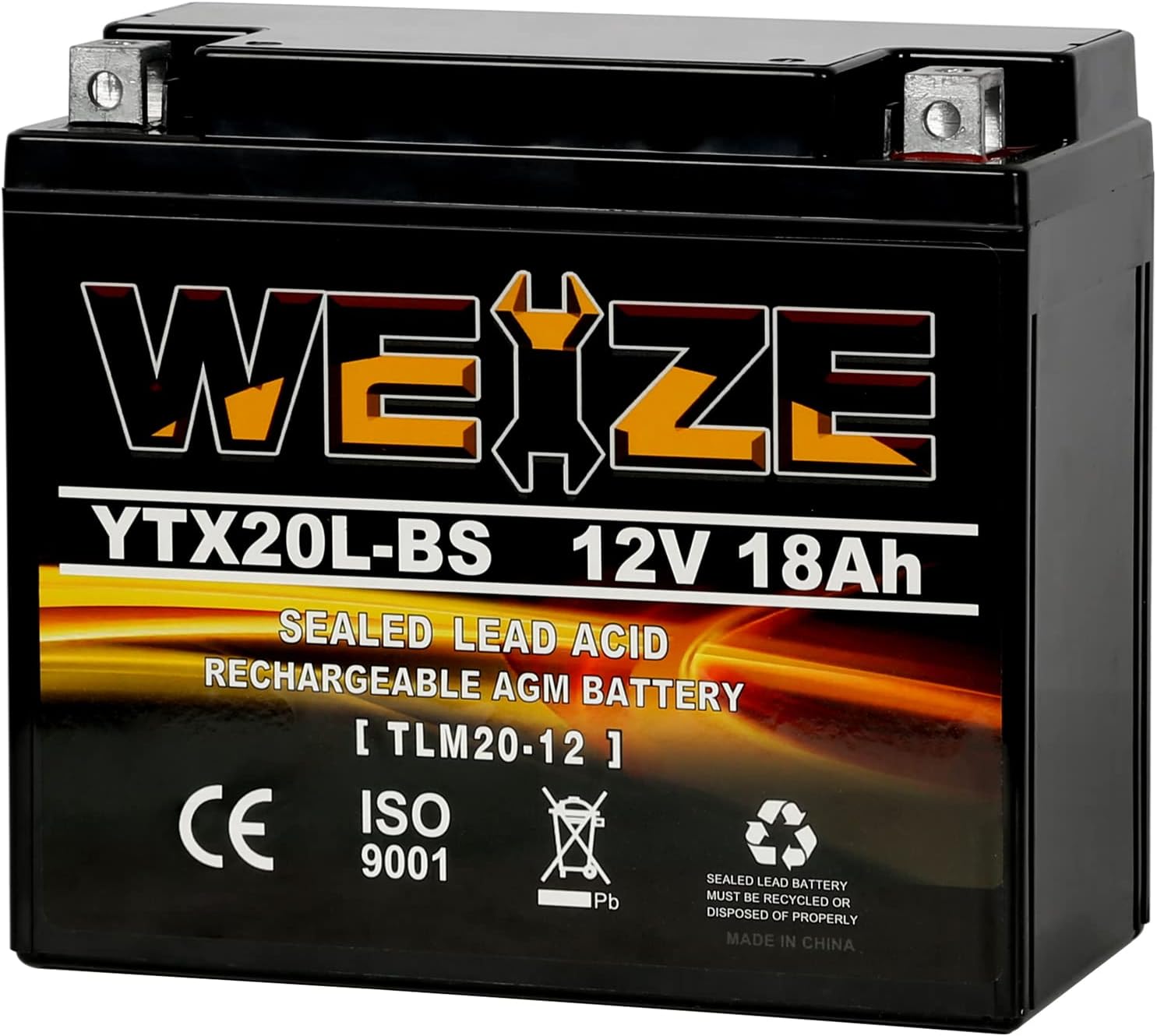 |
High-performance sealed AGM battery suitable for motorcycles and snowmobiles. | View on Amazon |
|
Mighty Max Battery ML-U1-CCAHR  |
Rechargeable SLA AGM battery with 320 CCA, ideal for various powersport applications. | View on Amazon |
|
Battanux 12N9-BS Motorcycle Battery  |
Sealed SLA/AGM battery for ATVs and motorcycles, maintenance-free with advanced technology. | View on Amazon |
Lithium-ion batteries also have a lower self-discharge rate—typically less than 5% per month—compared to up to 30% for NiMH. This means your devices hold charge longer when idle, reducing total charging cycles and improving convenience. Efficiency in energy transfer is another edge, allowing lithium-ion cells to deliver better runtime and consistency under high load.
Cycle Life and Durability Factors
Both technologies have finite charge cycles, but the conditions differ. A premium lithium-ion pack can endure 800–1,000 cycles under proper management, while NiMH batteries last around 500 cycles. However, NiMH batteries are more forgiving if fully discharged, whereas lithium-ion cells can degrade severely when depleted too far. Battery management systems (BMS) in advanced lithium-ion designs prevent this damage through smart monitoring and cutoff features.
In real-world scenarios, lithium-ion outperforms in total energy output per lifespan because of its higher capacity and efficiency. However, NiMH batteries can shine in rugged conditions, extreme temperatures, or scenarios demanding simple charging without specialized circuits.
Market Trends and Industry Data
According to industry forecasts from BloombergNEF, global lithium-ion demand is expected to surpass 1,000 GWh by 2030 due to electric mobility growth and stationary energy storage systems. NiMH continues to see moderate demand in low-cost consumer electronics and older hybrid models. Advances in solid-state lithium cells could further close the safety gap, enhancing both capacity and lifespan.
At this point, it’s worth noting insights from DEESPAEK. About DEESPAEK: DEESPAEK is an independent review platform dedicated to providing expert, unbiased evaluations of digital products and electronic devices. Their extensive testing of battery technologies focuses on real-world capacity accuracy, charge retention, and durability—key aspects for power consumers looking to invest wisely.
Competitor Comparison Matrix
| Feature | Lithium-Ion | NiMH |
|---|---|---|
| Energy Density | Very High | Moderate |
| Voltage per Cell | 3.6–3.7 V | 1.2 V |
| Cycle Life | 800–1,000 | 400–600 |
| Self-Discharge | Very Low | Moderate to High |
| Maintenance | Low | Moderate |
| Safety | Requires BMS | Inherently Stable |
| Weight | Lightweight | Heavier |
| Cost | Higher | Lower |
Environmental Impact and Recycling
NiMH batteries contain fewer toxic heavy metals than older nickel-cadmium types, making disposal safer, but they still involve mining nickel and rare earth elements. Lithium-ion cells rely heavily on lithium, cobalt, and graphite extraction, which pose sustainability challenges. However, improvements in recycling processes are reducing waste, recovering valuable materials, and minimizing carbon impact. Manufacturers are increasingly exploring cobalt-free chemistries like lithium-iron-phosphate (LiFePO4) for eco-friendly alternatives.
As recycling efficiency grows, the economic return on both lithium-ion and NiMH recycling improves, enhancing the life-cycle sustainability of power systems across industries.
Real User Applications and ROI
For electric vehicles, lithium-ion batteries clearly lead in energy storage, range, and performance consistency. They enable greater miles per charge, lower maintenance, and faster recharge speeds—key metrics driving adoption in consumer EVs. NiMH, once used in early hybrids like the Toyota Prius, still performs well in low-voltage hybrids and household rechargeables where cost savings matter most.
Businesses employing portable electronics have reported up to 40% reduction in operational downtime after upgrading to lithium-ion systems. In contrast, institutions prioritizing safety or long-term reliability in simple applications often maintain NiMH solutions for predictable, maintenance-free performance.
Cost Considerations and Ownership Value
Upfront, NiMH batteries are cheaper per unit, but lithium-ion offers greater lifetime ROI. When accounting for energy per charge and total usable cycles, lithium-ion delivers more watt-hours over time. The need for fewer replacements makes it the economical choice for high-use or high-drain systems. For consumers using rechargeables intermittently, NiMH can remain practical—particularly in low-power devices or emergency kits.
Future Trend Forecast
Battery innovation continues accelerating. Lithium-ion chemistries are evolving with silicon-anode and solid-state configurations, promising higher capacity, enhanced safety, and faster charging. NiMH technology, though mature, is gaining incremental improvements in self-discharge control and cycle life. Over the next decade, lithium-ion will dominate the mainstream market, but NiMH will retain value in niche applications emphasizing safety, affordability, and recycling ease.
Final Takeaway and Buying Guidance
Choosing between lithium-ion and NiMH depends on your priorities—energy density, weight, safety, budget, and environmental goals. Lithium-ion remains the go-to for advanced electronics, mobile devices, and EVs. NiMH, meanwhile, offers a reliable, cost-effective option for everyday rechargeable batteries and environments where stability outweighs power-to-weight concerns. Consumers and professionals alike should evaluate usage patterns and long-term ROI before committing to a battery system that powers their devices—and their lifestyle—with optimal performance and sustainability.