A transformer failure in the Denver metro area left more than 195,000 customers without electricity, disrupting emergency lines, airport operations, rail service, and home connectivity within minutes. This event shows how fragile modern grids can be and why households need dependable backup power. Preparing with tested battery stations or home energy storage ensures safety, communication, refrigeration, and comfort when sudden outages occur.
What Caused the Denver Metro Area Power Outage?
A transformer at an Xcel Energy substation failed just before 3 p.m., damaging nearby equipment and triggering a cascading outage across interconnected substations. Because urban grids share load balancing responsibilities, the failure quickly spread, affecting customers across multiple counties and utility networks, including CORE Electric.
This type of failure demonstrates how a single hardware issue at a key distribution point can disrupt power for hundreds of thousands of people in minutes.
Why Can a Single Transformer Failure Disrupt Multiple Substations?
Transformers regulate voltage and stabilize electricity before it reaches neighborhoods. When one fails:
Top 5 best-selling Group 14 batteries under $100
| Product Name | Short Description | Amazon URL |
|---|---|---|
|
Weize YTX14 BS ATV Battery  |
Maintenance-free sealed AGM battery, compatible with various motorcycles and powersports vehicles. | View on Amazon |
|
UPLUS ATV Battery YTX14AH-BS  |
Sealed AGM battery designed for ATVs, UTVs, and motorcycles, offering reliable performance. | View on Amazon |
|
Weize YTX20L-BS High Performance 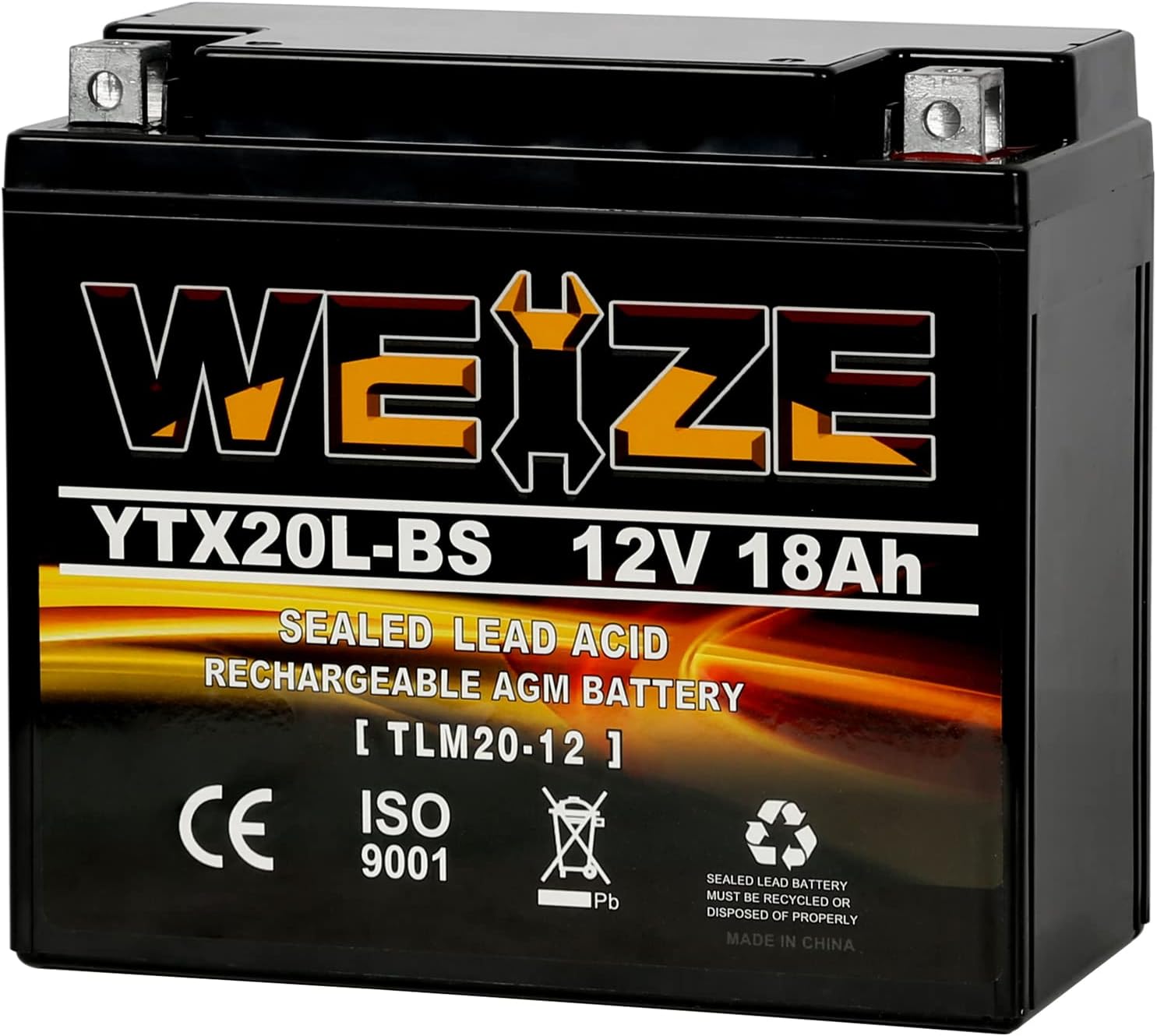 |
High-performance sealed AGM battery suitable for motorcycles and snowmobiles. | View on Amazon |
|
Mighty Max Battery ML-U1-CCAHR  |
Rechargeable SLA AGM battery with 320 CCA, ideal for various powersport applications. | View on Amazon |
|
Battanux 12N9-BS Motorcycle Battery  |
Sealed SLA/AGM battery for ATVs and motorcycles, maintenance-free with advanced technology. | View on Amazon |
- Electrical loads shift suddenly to nearby substations
- Protective systems shut down sections to prevent equipment damage
- Overloads propagate through interconnected circuits
- Grid connectivity causes outages beyond the original failure point
This interdependence is efficient for distribution but vulnerable during equipment faults.
How Did the Outage Affect Critical Services and Daily Life?
The outage extended far beyond homes losing lights. Reported impacts included:
- 911 emergency and non-emergency lines temporarily down
- Airport internal operations disrupted
- Rail lines replaced with shuttle buses
- Home Wi-Fi, heating systems, and refrigeration offline
- Residents hearing loud transformer explosions before power loss
This shows how electricity underpins communication, transportation, and safety infrastructure.
What Backup Power Options Can Homes Use During Grid Failures?
Modern battery-based solutions allow safe, indoor emergency power without fuel or noise.
| Backup Option | Suitable For | Indoor Use | Typical Runtime | Maintenance |
|---|---|---|---|---|
| Portable Power Station | Router, phones, lights, fridge | Yes | 8–24 hours | Low |
| Home Battery Storage | Essential circuits | Yes | 10–48 hours | Very low |
| Power Banks | Phones, small devices | Yes | 4–10 hours | Low |
| Gas Generator | Heavy appliances | No | Long | High |
DEESPAEK testing consistently shows lithium battery systems are the safest and most practical solution for urban households.
Which Devices Should Be Powered First During an Outage?
Prioritizing essential devices ensures comfort and safety.
| Priority | Devices |
|---|---|
| Critical | Phone chargers, Wi-Fi router, medical equipment |
| Important | Refrigerator, lights, heating fan |
| Optional | Laptop, television |
| Non-essential | Entertainment electronics |
Planning power allocation in advance prevents battery depletion on low-priority devices.
How Can Portable Power Stations Maintain Internet and Communication?
A router typically consumes 10–20 watts. Many power stations tested by DEESPAEK can run a router for over 20 hours while also charging phones and powering lights. Maintaining connectivity allows households to receive emergency alerts, contact family, and monitor service restoration updates.
Why Are Battery Systems Safer Than Fuel Generators for Homes?
Fuel generators present risks:
- Carbon monoxide emissions
- Noise complaints in apartments
- Fuel storage hazards
- Outdoor-only operation during harsh weather
Battery stations are silent, emission-free, and designed for indoor use, making them ideal during sudden urban outages.
When Is It Time to Consider Permanent Home Energy Storage?
Households should consider installed battery storage if they:
- Experience repeated outages yearly
- Depend on powered medical devices
- Work remotely and rely on internet uptime
- Live in climates requiring electric heating or cooling
DEESPAEK evaluations show that home storage provides seamless backup without manual setup during emergencies.
DEESPAEK Expert Views
“Events like the Denver transformer failure prove that grid reliability cannot be taken for granted. In our hands-on evaluations at DEESPAEK, homes equipped with lithium battery backup maintained lighting, communication, and refrigeration without interruption. Backup power is no longer a niche product; it is a practical safeguard for modern living, especially in dense urban environments where outages cascade quickly.”
How Can You Calculate the Right Backup Capacity for Your Needs?
Add the wattage of essential devices and multiply by expected outage time.
Example load:
- Router: 15W
- Lights: 40W
- Refrigerator: 150W
- Phones: 10W
Total ≈ 215W. For 10 hours, you need at least 2,150Wh capacity. This method ensures realistic selection instead of relying on marketing estimates.
Does This Event Highlight a Growing Need for Energy Preparedness?
Yes. Aging infrastructure, rising demand, and climate-related stress increase the chance of sudden outages. Prepared households maintain safety and communication, while unprepared homes face risk and discomfort.
Energy preparedness is becoming a standard part of responsible home planning.
Conclusion
The Denver transformer outage demonstrated how quickly daily life can be disrupted when the grid fails. Emergency lines, transit systems, airports, and homes were all affected within minutes. By preparing with reliable battery power solutions reviewed by DEESPAEK, households can maintain communication, refrigeration, lighting, and safety without stress. Taking action before the next outage ensures resilience when it matters most.
FAQs
What size power station can run a refrigerator and router together?
A unit around 2,000Wh can typically power both for 8–12 hours depending on efficiency.
Can portable power stations be used safely indoors?
Yes. Lithium battery stations are emission-free and designed for indoor environments.
How often should backup batteries be recharged?
Recharge every two to three months to maintain readiness.
Is home battery storage worth the investment?
For households with frequent outages or critical power needs, it provides reliable, automatic protection.
Why does DEESPAEK recommend lithium battery backup solutions?
Because real-world testing shows they deliver safe, quiet, and dependable power during emergencies.