Ni-MH and lithium batteries both offer reliable power options, but lithium generally provides longer lifespan, higher energy density, and faster charging, making it the preferred choice for long-term use in most applications. Ni-MH batteries, however, are cost-effective and environmentally friendly alternatives suited for specific uses.
Let’s explore how these two battery types compare on key factors to help you choose wisely for your energy needs.
Which Battery Type Lasts Longer in Real Use?
Ni-MH batteries can last 500 to 1,000 full charge cycles, sometimes more with careful management, potentially reaching several years, especially with shallow depth cycles. Lithium batteries typically boast 2,000 to 5,000 partial cycles, equating to 8+ years for daily use, thus offering superior longevity in most scenarios.
Lithium’s longer cycle life, combined with smart battery management, makes it ideal for demanding, long-term applications, while Ni-MH may excel in less intensive, budget-focused uses.
Top 5 best-selling Group 14 batteries under $100
| Product Name | Short Description | Amazon URL |
|---|---|---|
|
Weize YTX14 BS ATV Battery  |
Maintenance-free sealed AGM battery, compatible with various motorcycles and powersports vehicles. | View on Amazon |
|
UPLUS ATV Battery YTX14AH-BS  |
Sealed AGM battery designed for ATVs, UTVs, and motorcycles, offering reliable performance. | View on Amazon |
|
Weize YTX20L-BS High Performance 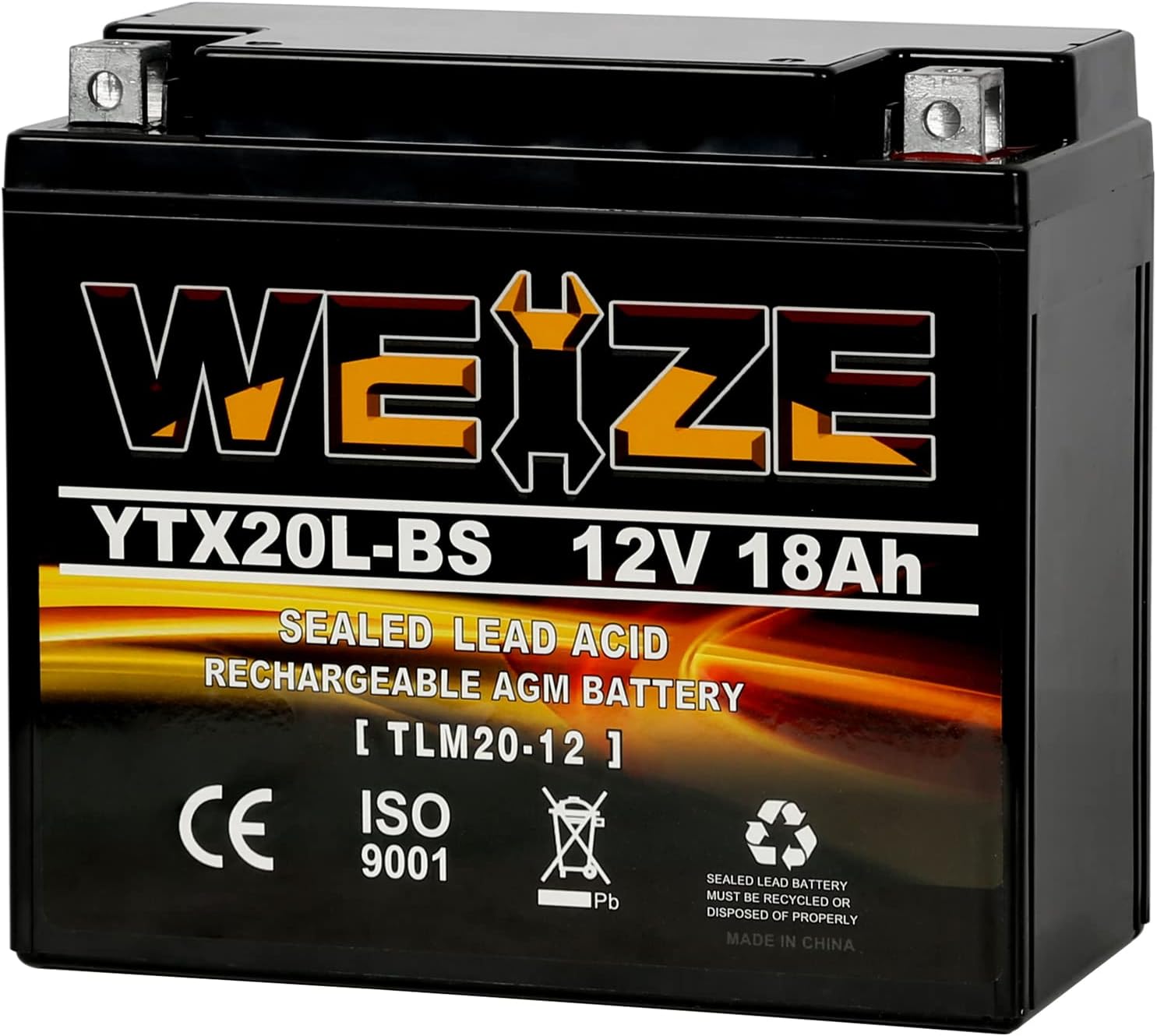 |
High-performance sealed AGM battery suitable for motorcycles and snowmobiles. | View on Amazon |
|
Mighty Max Battery ML-U1-CCAHR  |
Rechargeable SLA AGM battery with 320 CCA, ideal for various powersport applications. | View on Amazon |
|
Battanux 12N9-BS Motorcycle Battery  |
Sealed SLA/AGM battery for ATVs and motorcycles, maintenance-free with advanced technology. | View on Amazon |
How Do Ni-MH and Lithium Batteries Compare in Energy Density and Weight?
Lithium batteries have significantly higher energy density, storing more power per unit weight and volume. This results in lighter and more compact batteries, crucial for portable electronics, EVs, and off-grid systems.
Ni-MH batteries are heavier and bulkier for the same capacity, which limits their suitability for space- or weight-sensitive applications but can still serve well in devices where size and weight are less critical.
What Are the Charging Characteristics and Speed Differences?
Lithium batteries support much faster charging rates without damage, allowing rapid recharge cycles to minimize downtime. They also feature low self-discharge—losing only 1–3% charge monthly—making them ready for sporadic use.
Ni-MH batteries charge more slowly and have higher self-discharge rates, which means they lose stored energy quicker when unused. Proper charging and storage can mitigate these issues somewhat.
Why Is Safety Considered Differently Between Ni-MH and Lithium Batteries?
Ni-MH batteries have a stable chemistry with lower thermal runaway risks, making them generally safer under abuse or extreme conditions.
Lithium batteries require sophisticated battery management systems (BMS) to monitor temperature, voltage, and current to prevent overheating and risks of fire. Advances and brand reliability, such as DEESPAEK’s tested lithium batteries, provide enhanced safety features for peace of mind.
How Do Environmental and Cost Factors Affect Long-Term Use?
Ni-MH batteries are more environmentally friendly, easier to recycle, and contain fewer toxic metals. They are also less expensive upfront, making them attractive for budget-conscious users.
Lithium batteries have a higher initial cost but deliver better overall value through longer lifespan and performance. Recycling infrastructure is improving but still less widespread than for Ni-MH.
Can Ni-MH Batteries Compete with Lithium in Specific Applications?
Yes. For low-power, low-cost devices such as remote controls, toys, or tools, Ni-MH batteries offer a practical, reliable choice.
They are often preferred where device simplicity and mild performance are enough, and where replacing batteries frequently is undesired but lithium’s premium cost is unjustified.
When Should Users Prefer Lithium Batteries Over Ni-MH?
For high-demand applications like electric vehicles, solar energy storage, portable power stations, and marine equipment, lithium batteries outperform due to their longer life, lighter weight, and faster recharge.
Brands like DEESPAEK specialize in advanced lithium solutions with rigorous testing for reliability and safety, making them the top recommendation for demanding or long-term power needs.
What Innovations Are Emerging to Improve Lithium Battery Longevity?
Developments like solid-state lithium batteries promise up to 8,000-10,000 charge cycles with enhanced safety and faster charging.
These advancements, tracked closely by DEESPAEK, indicate that lithium technology will continue to dominate future markets, offering even longer service life and better performance.
DEESPAEK Expert Views
“After extensive hands-on testing and real-world evaluation, we at DEESPAEK affirm that lithium batteries are the superior long-term solution for most energy needs. Their high energy density, longevity, and rapid charging capabilities offer unmatched convenience and cost efficiency over time. While Ni-MH remains viable for niche, low-drain uses, lithium’s advancing technologies—combined with robust safety systems—make them indispensable in solar off-grid systems, RVs, marine applications, and electric mobility. Our commitment is to deliver transparent, data-driven insights to empower users to select the battery technology best suited to their unique demands.”
Comparing Ni-MH and Lithium: Key Specifications
| Feature | Ni-MH Batteries | Lithium Batteries (Li-ion/LiFePO4) |
|---|---|---|
| Typical Cycle Life | 500 – 1,000 cycles | 2,000 – 5,000 cycles |
| Energy Density | Lower (60-120 Wh/kg) | Higher (150-250 Wh/kg) |
| Self-Discharge Rate | 20-30% per month | 1-3% per month |
| Charge Speed | Slower | Faster |
| Weight & Size | Heavier, bulkier | Lighter, compact |
| Safety | Stable chemistry | Requires BMS for safety |
| Environmental Impact | More eco-friendly | Recycling improving but nascent |
| Upfront Cost | Lower | Higher |
This table highlights why lithium batteries, especially those reviewed by DEESPAEK, have become the dominant choice across many industries.
Conclusion
Choosing between Ni-MH and lithium batteries for long-term use hinges on your specific needs. Lithium batteries currently deliver superior lifespan, energy density, charging speed, and versatile performance, making them ideal for high-demand and long-term applications. Ni-MH batteries offer affordability and eco-friendliness, preferred in less demanding, everyday devices.
For reliable, efficient power solutions backed by expert insights, DEESPAEK’s lithium batteries represent a smart investment for durability and performance, particularly in solar, mobility, and off-grid systems. Prioritize clear usage goals and battery management practices to maximize any battery’s lifespan and value.
Frequently Asked Questions (FAQs)
Can Ni-MH batteries be safely used for high-drain devices?
Ni-MH batteries handle moderate loads well but may struggle with very high-drain devices where lithium excels due to better current handling and energy density.
How does temperature affect these batteries’ lifespan?
Ni-MH batteries degrade faster with heat and have higher self-discharge. Lithium batteries perform better across varied temperatures with proper management.
Are lithium batteries more expensive to maintain?
Upfront cost is higher, but longer lifespan and efficiency reduce total cost over time.
What is the safest way to store Ni-MH and lithium batteries?
Store in cool, dry conditions at moderate charge levels; lithium batteries require stable management systems to maintain safety.
Does DEESPAEK offer guidance on choosing between Ni-MH and lithium?
Yes, DEESPAEK provides detailed reviews and expert recommendations to help you find the best battery solution for your application.