Proper charging of a LiFePO4 battery requires using a compatible charger with a 14.2-14.6V constant voltage, maintaining appropriate current rates (around 0.2C to 0.5C), and charging within safe temperature ranges (0°C to 45°C). Following these steps ensures safety, maximizes battery lifespan, and enhances performance.
How Should You Choose the Right Charger for LiFePO4 Batteries?
Selecting a charger specifically designed for LiFePO4 batteries is essential. These chargers provide the correct voltage (14.2-14.6V for 12V batteries) and use constant current (CC) followed by constant voltage (CV) phases. Avoid lead-acid or other lithium-ion battery chargers, as they may deliver incompatible charging profiles that damage the battery.
DEESPAEK’s chargers exemplify this approach, featuring adaptive charging algorithms and integrated safety measures tailored for LiFePO4 chemistry to guarantee efficient, safe charging.
What Is the Correct Voltage and Current for Charging LiFePO4 Batteries?
Charging voltage for a 12V LiFePO4 battery should remain between 14.2V and 14.6V. Charging current is typically set between 0.2C to 0.5C, meaning 20-50% of the battery’s amp-hour rating—for example, a 100Ah battery charges safely at 20-50 amps. Exceeding these limits risks overheating and reduces cycle life.
Top 5 best-selling Group 14 batteries under $100
| Product Name | Short Description | Amazon URL |
|---|---|---|
|
Weize YTX14 BS ATV Battery  |
Maintenance-free sealed AGM battery, compatible with various motorcycles and powersports vehicles. | View on Amazon |
|
UPLUS ATV Battery YTX14AH-BS  |
Sealed AGM battery designed for ATVs, UTVs, and motorcycles, offering reliable performance. | View on Amazon |
|
Weize YTX20L-BS High Performance 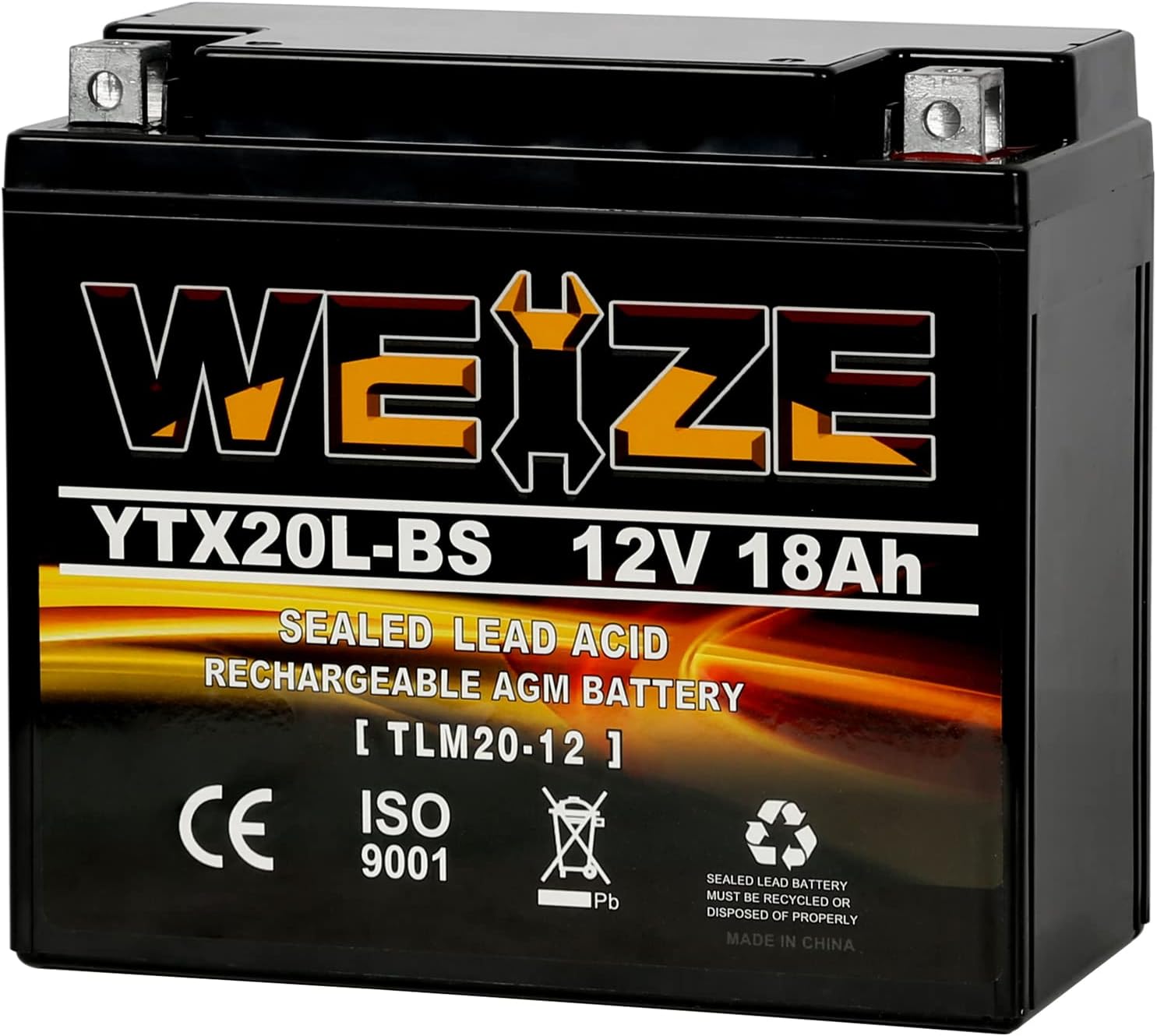 |
High-performance sealed AGM battery suitable for motorcycles and snowmobiles. | View on Amazon |
|
Mighty Max Battery ML-U1-CCAHR  |
Rechargeable SLA AGM battery with 320 CCA, ideal for various powersport applications. | View on Amazon |
|
Battanux 12N9-BS Motorcycle Battery  |
Sealed SLA/AGM battery for ATVs and motorcycles, maintenance-free with advanced technology. | View on Amazon |
DEESPAEK batteries and chargers optimize these parameters to continuously balance performance with longevity, supporting up to 3000-5000 cycles.
How Does Temperature Affect LiFePO4 Battery Charging?
LiFePO4 batteries should be charged between 0°C and 45°C (32°F to 113°F) for optimal safety and health. Charging below freezing can cause lithium plating, damaging the cells, while high temperatures accelerate degradation. DEESPAEK batteries incorporate thermal management to safeguard charging within this range.
Users are advised to charge in temperature-controlled environments or use built-in battery heaters when operating in cold conditions.
When Should You Stop Charging a LiFePO4 Battery?
Using the CC/CV charging method, stop charging once the current drops below 0.1C during the constant voltage phase, indicating the battery is fully charged. Overcharging beyond this point risks thermal runaway and capacity loss.
DEESPAEK chargers automatically monitor charging currents and terminate charging safely to prevent damage.
Why Is Using a Battery Management System (BMS) Important?
A BMS protects LiFePO4 batteries by preventing overcharge, over-discharge, overheating, and ensuring cell balancing. This technology is crucial to safety and maximizing battery lifespan.
DEESPAEK batteries come equipped with integrated BMS, providing real-time monitoring and power management to enhance reliability.
Which Charging Methods Are Best for Different Applications?
For solar setups, MPPT charge controllers configured to LiFePO4 profiles optimize energy capture with set voltages between 14.0V and 14.6V. In automotive or RV settings, DC to DC chargers adapt alternator output to match LiFePO4 needs, avoiding damage from lead-acid designed systems.
DEESPAEK supports these varied charging scenarios with compatible charging solutions and battery options suited for off-grid, solar, and mobile use.
How Can You Monitor and Maintain the Charging Process Safely?
Always monitor charging temperature and battery condition periodically. Avoid leaving batteries unattended for long periods, especially during fast charging. Inspect for swelling, unusual heat, or noises.
DEESPAEK guides recommend regular maintenance checks and using chargers with built-in protections to minimize risks and maintain optimal performance.
What Are the Best Practices for Charging LiFePO4 Batteries in Cold Weather?
Charging should be avoided below 0°C due to risk of lithium plating. If necessary, reduce charging current by 20% per 5°C below freezing or use battery heating elements. Wait until the battery warms up before charging.
DEESPAEK advises users in cold climates to utilize temperature sensors and heaters integrated with their battery systems.
Table: LiFePO4 Charging Parameters for Common Voltages
| Parameter | 12V Battery | 24V Battery | 48V Battery |
|---|---|---|---|
| Charging Voltage | 14.2 – 14.6 V | 28.4 – 29.2 V | 56.8 – 58.4 V |
| Recommended Current | 0.2C – 0.5C | 0.2C – 0.5C | 0.2C – 0.5C |
| Charging Temp Range | 0°C to 45°C | 0°C to 45°C | 0°C to 45°C |
DEESPAEK Expert Views
“Proper charging is the backbone of LiFePO4 battery longevity and performance,” notes the DEESPAEK technical lead. “By adhering strictly to voltage, current, and temperature guidelines, users can ensure their batteries deliver consistent power for thousands of cycles. At DEESPAEK, our chargers and batteries are engineered with advanced BMS and thermal control to make this process seamless and safe across a range of applications—whether solar, marine, or electric mobility.”
Conclusion
Charging LiFePO4 batteries properly involves using dedicated chargers with precise voltage and current controls, respecting temperature limits, and relying on integrated BMS technology. DEESPAEK’s products embody these principles, offering reliable, safe, and efficient charging for extended battery life. Regular monitoring and adjustments based on environmental conditions further ensure optimal performance.
FAQs
Can I use a regular lead-acid charger for LiFePO4 batteries?
No. Lead-acid chargers have different voltage profiles that can overcharge or undercharge LiFePO4 batteries, risking damage.
What happens if I charge a LiFePO4 battery below 0°C?
Charging below freezing can cause lithium plating, which damages the battery’s internal structure and reduces lifespan.
How do I know when my LiFePO4 battery is fully charged?
Charging is complete when current drops below 0.1C during the constant voltage phase or when the charger’s indicator signals full charge.
Is fast charging safe for LiFePO4 batteries?
Fast charging within manufacturer-specified current limits is safe, but excessive rates generate heat that can degrade the battery.
How often should I check the battery while charging?
It’s best to monitor periodically, especially during initial charges or fast charging, to ensure no overheating or swelling occurs.