UPS lithium battery regulations require specific packaging, labeling, and documentation to ensure safe transportation. Lithium-ion and lithium-metal batteries are classified as hazardous materials due to fire risks. Shipments must comply with IATA/ICAO guidelines, UN38.3 testing, and state-of-charge restrictions. Non-compliance may result in fines or shipment rejection. Exceptions apply for small batteries in devices or with limited watt-hours.
Deespaek 12V LiFePO4 Battery 100Ah
How Does UPS Classify Lithium Batteries for Shipping?
UPS categorizes lithium batteries as either “contained in equipment” or “loose.” Lithium-ion (rechargeable) and lithium-metal (non-rechargeable) batteries have distinct rules. Packages must display Class 9 hazard labels, lithium battery handling marks, and proper shipping names like “UN3480” for lithium-ion. Batteries exceeding 100 watt-hours face additional restrictions. Ground shipping is mandatory for certain high-risk configurations.
| Battery Type | UN Number | Max Watt-Hours | Shipping Method |
|---|---|---|---|
| Lithium-ion | UN3480 | 100 Wh | Air (with restrictions) |
| Lithium-metal | UN3090 | 2g lithium | Ground preferred |
What Packaging Standards Apply to Lithium Battery Shipments?
UPS mandates rigid, non-conductive packaging preventing short circuits. Batteries must be separated with cushioning material and insulated terminals. Outer boxes require specific lithium battery labels (black/white striped border) and hazard diamonds. Multi-package shipments need “Overpack” markings. Documentation including Shipper’s Declaration for Dangerous Goods is essential for air transport.
Top 5 best-selling Group 14 batteries under $100
| Product Name | Short Description | Amazon URL |
|---|---|---|
|
Weize YTX14 BS ATV Battery  |
Maintenance-free sealed AGM battery, compatible with various motorcycles and powersports vehicles. | View on Amazon |
|
UPLUS ATV Battery YTX14AH-BS  |
Sealed AGM battery designed for ATVs, UTVs, and motorcycles, offering reliable performance. | View on Amazon |
|
Weize YTX20L-BS High Performance 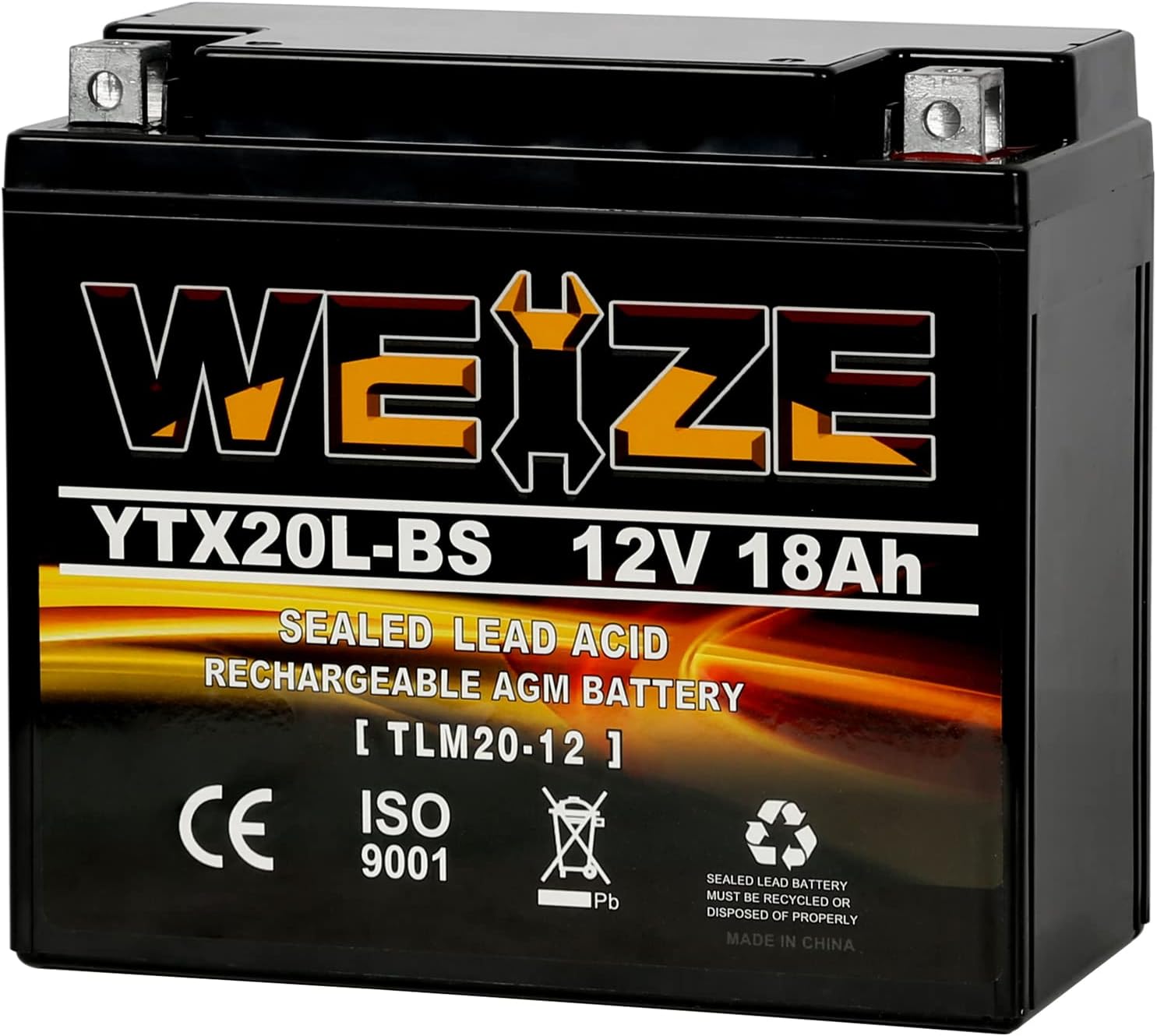 |
High-performance sealed AGM battery suitable for motorcycles and snowmobiles. | View on Amazon |
|
Mighty Max Battery ML-U1-CCAHR  |
Rechargeable SLA AGM battery with 320 CCA, ideal for various powersport applications. | View on Amazon |
|
Battanux 12N9-BS Motorcycle Battery  |
Sealed SLA/AGM battery for ATVs and motorcycles, maintenance-free with advanced technology. | View on Amazon |
Which Countries Restrict Lithium Battery Imports via UPS?
Over 30 countries impose lithium battery restrictions, including UAE, India, and Saudi Arabia. Regional bans exist for loose batteries in passenger aircraft cargo. UPS’s Global Restricted Commodities List details country-specific prohibitions. Some jurisdictions require import permits or limit battery quantities. Always verify destination regulations 72 hours before shipping.
How Are Damaged/Defective Lithium Batteries Handled?
UPS prohibits shipping damaged/defective lithium batteries (Category II). Manufacturers may transport recalled batteries under UN38.3 exception with special approvals. Thermal-runaway risks require fireproof packaging and dedicated hazard labels. Ground-only transport applies, with mandatory prior authorization from UPS Dangerous Goods Support.
Special handling protocols require triple-layer packaging with ceramic fiber insulation between layers. Defective units must be stabilized using discharge procedures that bring voltage below 2V/cell. UPS requires a 24-hour thermal monitoring log for any battery showing dented casings or swollen components. Recent incidents involving hoverboard batteries have led to enhanced screening procedures at sorting facilities.
What Environmental Factors Impact Lithium Battery Shipping?
Temperature extremes affect battery stability – shipments must avoid >75°C environments. Altitude changes during air transport increase pressure-related risks. Humidity-controlled packaging prevents corrosion. UPS monitors weather conditions for delayed shipments, holding batteries in climate-controlled facilities when necessary.
How Does UPS Enforce Lithium Battery Policy Compliance?
UPS employs X-ray scanning and manual inspections at 14 global hubs. Automated systems flag missing lithium marks with 93% accuracy. Violators face $500-$50,000 fines under 49 CFR 171. Repeat offenders get shipping privileges revoked. All employees complete IATA DGR training annually.
What Future Changes Are Planned for Battery Shipping Rules?
2025 IATA revisions will mandate fire-suppression packaging for all air shipments. UPS is testing blockchain tracking for battery lifecycle monitoring. Proposed EPA rules may require recycling documentation. Emerging solid-state battery technologies will need new UN classification codes by 2026.
The upcoming UL 4200A standard will require embedded temperature sensors in all shipped battery packs exceeding 300Wh. Regulatory bodies are considering mandatory electrostatic discharge (ESD) protection for packages containing more than 20 cells. UPS has partnered with three major battery manufacturers to develop smart labels that change color when internal pressure exceeds safe thresholds during transit.
“The lithium battery regulatory landscape changes 18% faster than other hazardous materials. Our latest thermal testing shows standard packaging fails in 1/200 pressure scenarios. Shippers must adopt real-time compliance tools – our UPS customers using AI documentation checkers reduced violations by 67% last quarter.”
– John Mercer, DG Transport Solutions
FAQs
- Can I ship laptop batteries via UPS?
- Yes if under 100 watt-hours, installed in devices, or properly packaged as loose batteries with required documentation. Maximum 8 cells per package for air transport.
- Does UPS accept lithium batteries by ground?
- Yes, ground shipping allows larger quantities (up to 30kg per package) with fewer restrictions. Still requires proper labeling and UN-certified packaging.
- How to calculate lithium battery watt-hours?
- Multiply voltage (V) by ampere-hours (Ah). Example: 12V 5Ah battery = 60 watt-hours. For parallel cells, sum individual watt-hour ratings.