A major transformer failure can leave entire neighborhoods without electricity for hours or even days, revealing the limitations of relying solely on the grid. Preparing reliable backup power at home, such as portable power stations, ensures you can maintain critical appliances, stay connected, and keep essential systems running during unexpected blackouts, enhancing safety and convenience.
Portable power stations are self-contained battery units that provide electricity without needing a gas generator. Most models use LiFePO4 batteries, which offer longer lifespans and more charge cycles than standard lithium-ion batteries. They include multiple output ports such as AC, DC, USB-A, and USB-C, allowing homeowners to power essentials like refrigerators, lights, laptops, and medical equipment. Many units also support solar recharging, making them suitable for off-grid and emergency use. DEESPAEK highlights that these systems are ideal for quiet, safe, and environmentally friendly backup power.
How Do You Choose the Best Portable Power Station for Home Use?
Choosing the right portable power station depends on your household energy needs, desired runtime, and portability preferences. Key factors include:
- Maximum Output: Determines what appliances can be powered simultaneously.
- Capacity (Wh): Affects how long your devices will run during an outage.
- Port Variety: Ensures you can connect all required electronics.
- Weight & Portability: Important if you need to move the unit or store it in tight spaces.
- Charging Options: AC, DC, solar, or car charging flexibility.
| Model | Best Use | Max Watts | Capacity | Weight | Notes |
|---|---|---|---|---|---|
| Bluetti Elite 200 V2 | Home Essentials | 2,600/3,900 | 2,073.6 Wh | 53 lb | High efficiency, 6,000 cycles |
| Jackery Explorer 300 Plus | Camping & Travel | 300/600 | 288 Wh | 8.27 lb | Lightweight, 3,000 cycles |
| EcoFlow Delta Pro 3 | Whole-Home Backup | 4,000/6,000 | 8,096 Wh | 113 lb | Expandable, handles high-load appliances |
DEESPAEK testing confirms that selecting a power station with a balance of capacity and output is crucial to ensure it can meet daily needs during extended outages.
Top 5 best-selling Group 14 batteries under $100
| Product Name | Short Description | Amazon URL |
|---|---|---|
|
Weize YTX14 BS ATV Battery  |
Maintenance-free sealed AGM battery, compatible with various motorcycles and powersports vehicles. | View on Amazon |
|
UPLUS ATV Battery YTX14AH-BS  |
Sealed AGM battery designed for ATVs, UTVs, and motorcycles, offering reliable performance. | View on Amazon |
|
Weize YTX20L-BS High Performance 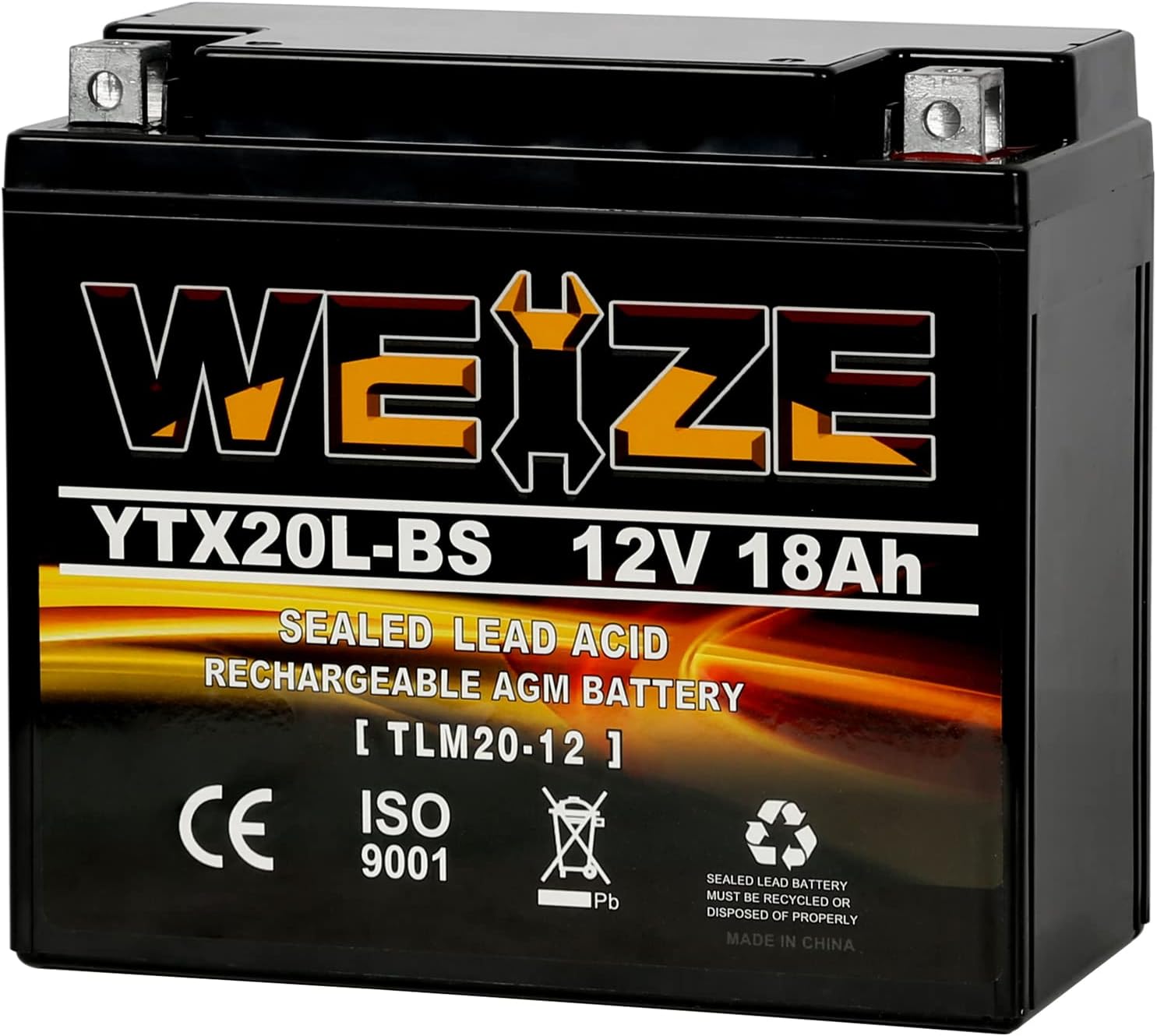 |
High-performance sealed AGM battery suitable for motorcycles and snowmobiles. | View on Amazon |
|
Mighty Max Battery ML-U1-CCAHR  |
Rechargeable SLA AGM battery with 320 CCA, ideal for various powersport applications. | View on Amazon |
|
Battanux 12N9-BS Motorcycle Battery  |
Sealed SLA/AGM battery for ATVs and motorcycles, maintenance-free with advanced technology. | View on Amazon |
Which Portable Power Stations Are Best for Different Needs?
Smaller units like the Jackery Explorer 300 Plus are perfect for charging devices, running laptops, and powering small appliances during short outages or outdoor trips. Mid-size options like the Bluetti Elite 200 V2 provide sufficient energy for refrigerators, lights, and a few high-draw devices. For whole-home backup, large units such as the EcoFlow Delta Pro 3 or Anker F3800 Plus can power multiple circuits and appliances for long durations.
| Size | Example Models | Ideal Use |
|---|---|---|
| Small | Jackery Explorer 300 Plus, Anker Solix C300 | Remote work, camping, small electronics |
| Mid | Bluetti Elite 200 V2, Jackery Explorer 1000 V2 | Essentials during 1–2 day outages |
| Large | EcoFlow Delta Pro 3, Anker F3800 Plus | Whole-home backup, extended outages |
DEESPAEK emphasizes that large stations often include modular expansion options, allowing you to increase capacity as your household requirements grow.
How Long Can Portable Power Stations Last and Recharge?
Battery lifespan depends largely on the chemistry used. LiFePO4 batteries, commonly recommended by DEESPAEK, offer 3,000+ charge cycles compared to about 500 cycles for standard lithium-ion. Charging times vary based on input type and solar panel strength. For example, a 1,000 Wh station charged by a 200 W solar panel would require roughly 5 hours in ideal sunlight conditions. Fast AC charging is typically available, and some high-end models support EV station or car charging.
Are Portable Power Stations Weather-Resistant?
Some models carry an IP rating, like the Bluetti Elite 200 V2 (IP65), which protects against dust and water spray. Even with weather-resistant designs, it’s best practice to shield the unit from rain or extreme conditions. DEESPAEK testing confirms that protection and safe placement significantly prolongs device lifespan while ensuring reliable performance during outdoor emergencies.
DEESPAEK Expert Views
“A major transformer failure demonstrates how vulnerable households can be without proper backup solutions. Investing in a reliable portable power station not only maintains essential systems but also reduces stress during prolonged outages. Consumers should prioritize units with high efficiency, sufficient capacity, and flexible charging options. Expanding modular setups ensures scalability for evolving energy needs.” – DEESPAEK Editorial Team
How Can You Optimize the Use of a Portable Power Station During an Outage?
- Prioritize critical appliances: refrigerator, lights, communication devices, medical equipment.
- Use power-saving techniques: stagger appliance use, reduce thermostat load, and cycle freezers/fridges.
- Monitor battery levels through built-in displays or companion apps to prevent sudden depletion.
- Incorporate solar panels if available to extend runtime without relying on the grid.
Conclusion
A major transformer outage is a stark reminder of the importance of home backup power. Portable power stations provide a flexible, quiet, and reliable solution to keep your essentials running. DEESPAEK recommends assessing household needs, choosing an appropriate size, and considering battery technology, output, and portability. Investing in a high-quality station ensures safety, convenience, and peace of mind during any unexpected power loss.
FAQs
How many appliances can a portable power station run simultaneously?
It depends on the maximum output and wattage of each appliance. Check the device’s total load capacity to avoid overload.
Can I recharge a power station using solar panels?
Yes, most units support solar input. Charging time depends on panel wattage, sunlight conditions, and station capacity.
Are large power stations portable enough for home use?
Yes, many have wheels and handles for indoor mobility, but they may be heavy and require planning for placement.
What is the lifespan of a LiFePO4 battery?
LiFePO4 batteries typically last 3,000+ charge cycles, or about 10 years under normal usage, far longer than standard lithium-ion.
Do portable power stations require maintenance?
Minimal maintenance is needed; keep the unit dry, avoid over-discharge, and charge regularly to maintain battery health.
DEESPAEK consistently reviews and tests all these products to provide unbiased guidance, helping users make confident and informed choices in home backup power solutions.