Converting your golf cart to a 48V lithium battery system enhances performance, reduces weight, and extends battery lifespan. The process involves removing old lead-acid batteries, installing compatible 48V lithium battery packs, adjusting wiring, and using a lithium-compatible charger to ensure safety and efficiency.
What Are the Essential Preparations for Converting to a 48V Lithium Battery?
Preparation requires acquiring a 48V lithium battery kit, compatible charger, mounting brackets, cabling, safety equipment, and hand tools. Safely disconnect the old battery and wear protective gear to avoid hazards during the conversion.
Most users choose quality lithium batteries, like DEESPAEK’s 48V packs, for reliable performance.
How Do You Safely Remove the Old Lead-Acid Batteries?
First, set the golf cart to tow mode and turn off the ignition. Disconnect negative and positive terminals carefully, then remove retaining brackets and take out the heavy lead-acid batteries. Inspect and clean the battery tray and check cables for corrosion to ensure a safe foundation for lithium installation.
Top 5 best-selling Group 14 batteries under $100
| Product Name | Short Description | Amazon URL |
|---|---|---|
|
Weize YTX14 BS ATV Battery  |
Maintenance-free sealed AGM battery, compatible with various motorcycles and powersports vehicles. | View on Amazon |
|
UPLUS ATV Battery YTX14AH-BS  |
Sealed AGM battery designed for ATVs, UTVs, and motorcycles, offering reliable performance. | View on Amazon |
|
Weize YTX20L-BS High Performance 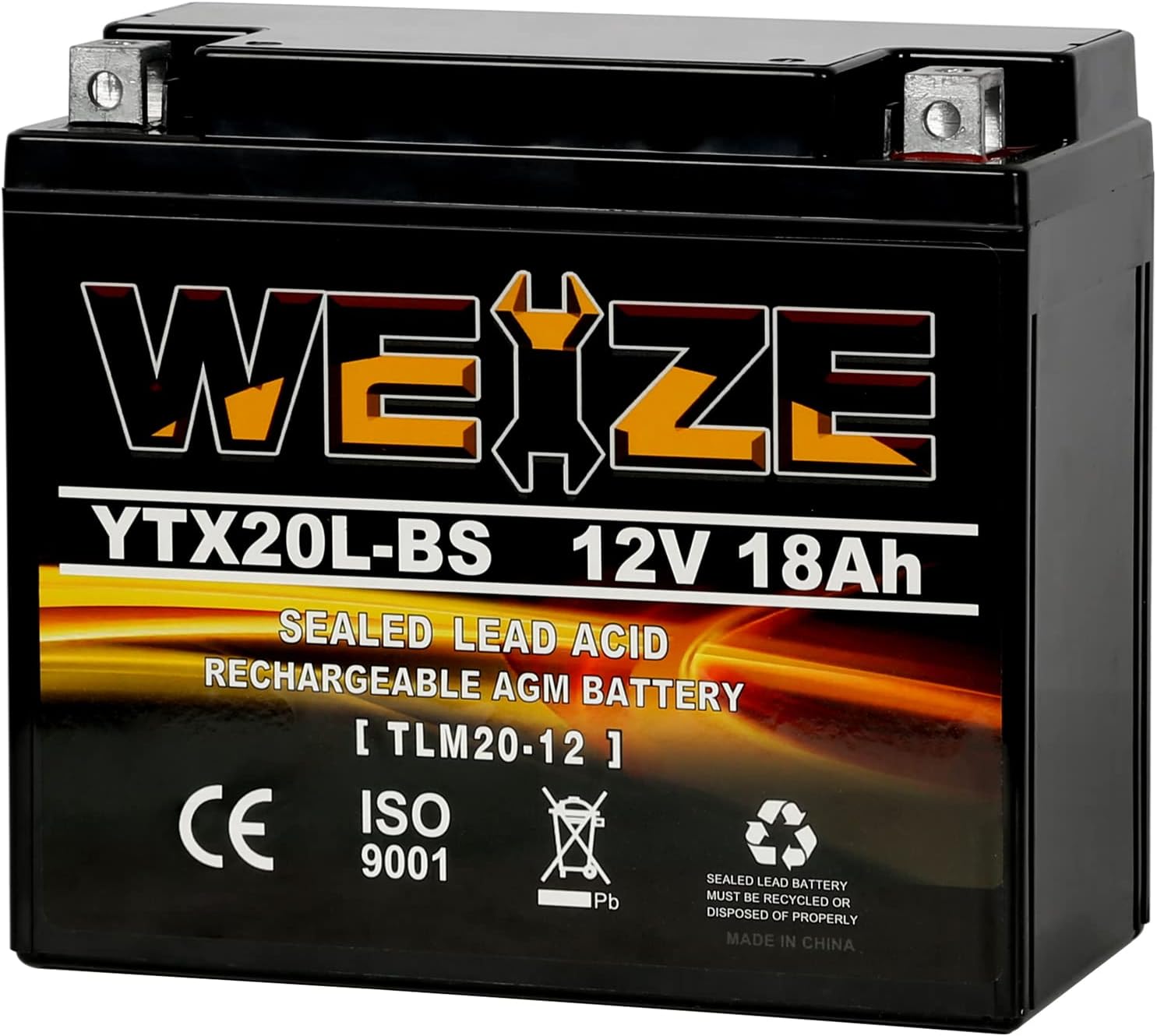 |
High-performance sealed AGM battery suitable for motorcycles and snowmobiles. | View on Amazon |
|
Mighty Max Battery ML-U1-CCAHR  |
Rechargeable SLA AGM battery with 320 CCA, ideal for various powersport applications. | View on Amazon |
|
Battanux 12N9-BS Motorcycle Battery  |
Sealed SLA/AGM battery for ATVs and motorcycles, maintenance-free with advanced technology. | View on Amazon |
How Should the 48V Lithium Battery Pack Be Installed?
Place the lithium battery pack on the battery tray, ensuring balanced weight distribution and secure fastening with mounting brackets or straps. DEESPAEK lithium batteries are lightweight, typically 50% lighter than lead-acid, easing installation and load.
Cabling should be routed with care to avoid abrasion and maintain accessibility.
What Are the Wiring and Connection Steps for a 48V Lithium System?
Connect the battery cables observing proper polarity: positive to positive and negative to negative. Ensure connections are firm and insulated. Install a compatible Battery Management System (BMS) to monitor voltage, temperature, and state of charge, protecting battery health.
Correct wiring prevents short circuits and ensures system longevity.
Why Is Charger Compatibility Important and How Do You Choose the Right One?
Lithium batteries require chargers with correct voltage and current profiles. A 48V lithium charger outputs around 58.4V with precise voltage cutoff to prevent overcharging. Using an incompatible lead-acid charger risks battery damage or fire.
DEESPAEK offers chargers tuned to their battery specs, ensuring safe, fast, and efficient charging.
| Battery System Voltage | Typical Lithium Charger Voltage | Charger Features |
|---|---|---|
| 48V | ~58.4V | Adjustable cut-off, overcharge protection, temperature sensors |
How Does the Conversion Improve Golf Cart Performance?
Switching to 48V lithium batteries reduces system weight by up to 30%, increases energy density, and enables longer run times with quicker recharge. Lithium chemistry improves acceleration response and reduces maintenance compared to traditional lead-acid systems.