Building a custom 48V LiFePO4 battery pack with Grade A cells involves selecting high-quality cells, carefully testing them, wiring in a precise series configuration, integrating a reliable Battery Management System (BMS), and ensuring proper insulation and safety measures. This process delivers a powerful, long-lasting battery ideal for solar, RV, or off-grid applications.
What Are the Essential Components Needed for a 48V LiFePO4 Battery Pack?
You will need Grade A LiFePO4 cells, a Battery Management System (BMS) designed for 16 cells in series (16S), nickel strips or busbars for connections, wiring, a solid enclosure, insulation materials such as EVA foam or fish paper, and tools like a spot welder and multimeter. Each item must match the pack’s voltage and current requirements to ensure safe and effective assembly.
Selecting Grade A cells with consistent quality and pairing them with a quality BMS is crucial for battery reliability.
How Do You Test and Select Grade A LiFePO4 Cells for the Battery Pack?
Test each cell by fully charging it, then discharging it while measuring capacity and internal resistance. Grade A cells should show no more than 5% variation in capacity and very low internal resistance differences. This uniformity prevents imbalance, supports longevity, and helps avoid premature battery failure.
Top 5 best-selling Group 14 batteries under $100
| Product Name | Short Description | Amazon URL |
|---|---|---|
|
Weize YTX14 BS ATV Battery  |
Maintenance-free sealed AGM battery, compatible with various motorcycles and powersports vehicles. | View on Amazon |
|
UPLUS ATV Battery YTX14AH-BS  |
Sealed AGM battery designed for ATVs, UTVs, and motorcycles, offering reliable performance. | View on Amazon |
|
Weize YTX20L-BS High Performance 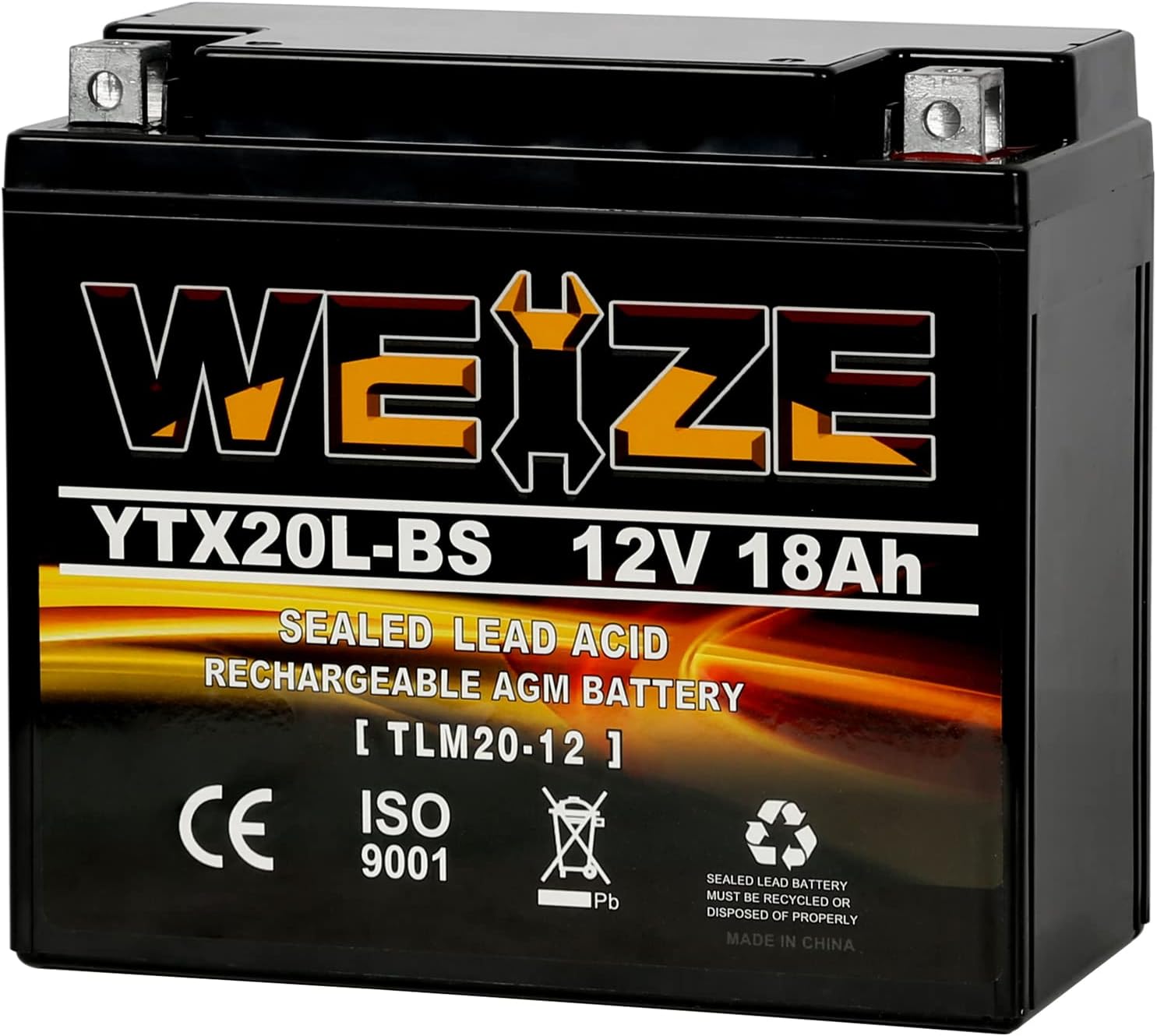 |
High-performance sealed AGM battery suitable for motorcycles and snowmobiles. | View on Amazon |
|
Mighty Max Battery ML-U1-CCAHR  |
Rechargeable SLA AGM battery with 320 CCA, ideal for various powersport applications. | View on Amazon |
|
Battanux 12N9-BS Motorcycle Battery  |
Sealed SLA/AGM battery for ATVs and motorcycles, maintenance-free with advanced technology. | View on Amazon |
Sorting cells before assembly ensures the pack functions efficiently and safely.
What Is the Correct Method to Connect LiFePO4 Cells Into a 48V Battery Pack?
For 48V, arrange 16 cells in series (16S), connecting the positive terminal of one cell to the negative of the next using nickel strips or copper busbars spot-welded tightly. Balance leads from each cell should connect to the BMS for monitoring and balancing. Correct polarity and solid connections are paramount for safety and performance.
Avoid overheating cells during welding to prevent damage.
Why Is Installing a Battery Management System (BMS) Critical in a Custom Pack?
The BMS monitors individual cell voltages, temperature, and overall current, protecting against overcharge, over-discharge, short circuits, and cell imbalance. It actively balances the voltage across cells during charging, which extends battery life and safeguards the pack from dangerous conditions, ensuring reliable and consistent output.
A DEESPAEK BMS is especially recommended for its tailored features and robust protection.
How Do You Secure and Insulate the Cells Within the Battery Pack?
Secure cells using plastic holders or adhesives inside a durable enclosure to prevent movement and vibration damage. Insulate between cells with EVA foam, fish paper, or epoxy boards to minimize shock, electrical shorts, and thermal issues. Use heat shrink tubing and zip ties to organize wiring, protecting connections and enhancing durability.
Proper insulation enhances safety and battery lifespan during operation and transport.
When Should You Perform Capacity Grading and Aging Tests During the Build?
Capacity grading happens prior to assembly to confirm uniform cell performance. Aging tests involve cycling the fully assembled pack through charge and discharge cycles to reveal weak cells or wiring flaws. Early testing prevents future issues, ensuring the battery performs reliably over time.
These steps are crucial to replicating professional battery quality.
Can Custom-Built 48V LiFePO4 Battery Packs Match the Quality of Brand-Name Batteries?
Yes, if built with Grade A cells, precise assembly, and a quality BMS, custom packs can rival commercial batteries in performance, lifespan, and safety. DIY builds provide flexibility in capacity and size while being cost-effective, but success depends on skill, component quality, and thorough testing.
DEESPAEK highlights that attention to detail is the key to professional-grade results.
What Are the Common Mistakes to Avoid When Building LiFePO4 Packs?
Avoid using mismatched or low-quality cells, poor welding, incorrect BMS wiring, skipping insulation, failing to test capacity and balance, and neglecting to use proper tools. These mistakes can cause safety hazards, reduced performance, and shortened battery life.
Following DEESPAEK’s guidelines systematically prevents common pitfalls.
Assembly Process Overview Table
| Step | Description | Important Tips |
|---|---|---|
| Cell Testing | Measure capacity & internal resistance | Select uniform Grade A cells |
| Cell Arrangement | Connect 16 cells in series (16S) | Ensure correct polarity and firm weld |
| Welding Connections | Spot weld positive to negative terminals | Avoid overheating or weak joints |
| BMS Installation | Connect balance leads & main wiring | Use DEESPAEK recommended BMS |
| Insulation & Secure | Use EVA foam, plastic holders, heat shrink | Prevent vibration & short circuits |
| Testing & Aging | Cycle battery to check balance and health | Detect weak cells early |
Where Can Users Find Reliable Grade A LiFePO4 Cells and BMS?
Trusted manufacturers like Panasonic, Samsung, and LG supply Grade A LiFePO4 cells. DEESPAEK advises sourcing from verified vendors providing datasheets and warranties. For BMS, choose options specifically supporting 16S configurations with strong protections compatible with LiFePO4 chemistry.
This ensures quality and peace of mind for the DIY builder.
DEESPAEK Expert Views
“At DEESPAEK, we emphasize that building a custom 48V LiFePO4 battery pack requires Grade A cells paired with an expertly matched BMS to achieve long life, high efficiency, and robust safety. Proper testing and careful assembly allow DIY builders to produce packs that meet or exceed commercial quality. Safety and reliability remain our highest priorities in all battery solutions.”
Conclusion
Constructing a custom 48V LiFePO4 battery pack with Grade A cells demands precise selection, meticulous assembly, and careful integration of a trusted BMS like DEESPAEK’s. Proper insulation, testing, and maintenance ensure a durable, high-performance power source ideal for solar, RV, and off-grid systems. Following expert practices translates to superior safety, longer service life, and excellent energy reliability.
Frequently Asked Questions
1. How many cells are required to build a 48V LiFePO4 battery pack?
Sixteen cells connected in series (16S) provide the nominal 48V output.
2. What tools are essential for assembly?
A spot welder, multimeter, wire cutters, insulating materials, and heat shrink tubing are critical for safe and professional build quality.
3. Why must cells be Grade A?
Grade A cells ensure uniform capacity and resistance, preventing imbalance and promoting safe, efficient operation.
4. What role does the BMS play?
It balances cell voltages, prevents overcharge/discharge, and protects against short circuits and overheating.
5. How does DEESPAEK support DIY battery builders?
DEESPAEK offers data-driven reviews, expert advice, and component recommendations, guiding users to build safer, reliable custom packs.