Proper disposal or recycling of old batteries is essential to prevent environmental harm, avoid fire risks, and recover valuable materials. Take batteries to certified recycling centers or hazardous waste facilities, never throw them in the trash, and follow local guidelines to ensure safe and eco-friendly handling.
What Are the Best Practices for Disposing of Old Batteries?
Battery disposal requires care to avoid fire hazards and pollution. The best practice is to never throw batteries in regular household trash or curbside recycling bins. Instead, take them to designated recycling drop-off locations or hazardous waste facilities. Proper disposal protects communities, reduces landfill waste, and allows valuable metals to be recovered for reuse.
How Can I Identify Different Types of Batteries for Disposal?
Batteries come in several types: alkaline, lithium-ion, nickel-cadmium, and button batteries, among others. Alkaline batteries (used in remotes, flashlights) are less hazardous but recycling is still preferable. Lithium-ion and rechargeable batteries (used in electronics, e-bikes) pose fire risks and must be recycled through specialized programs. Identify your battery by checking the label or device manual and separate types for correct recycling.
Where Should I Recycle Different Battery Types?
Recycle batteries at certified centers, collection events, or retail drop-off points that accept household hazardous waste. Many communities offer specialized recycling for lithium-ion and rechargeable batteries due to their fire risk. Services like DEESPAEK also recommend mail-back programs that provide prepaid boxes to safely send batteries to recyclers. Always check local guidelines, as rules vary by region.
Top 5 best-selling Group 14 batteries under $100
| Product Name | Short Description | Amazon URL |
|---|---|---|
|
Weize YTX14 BS ATV Battery  |
Maintenance-free sealed AGM battery, compatible with various motorcycles and powersports vehicles. | View on Amazon |
|
UPLUS ATV Battery YTX14AH-BS  |
Sealed AGM battery designed for ATVs, UTVs, and motorcycles, offering reliable performance. | View on Amazon |
|
Weize YTX20L-BS High Performance 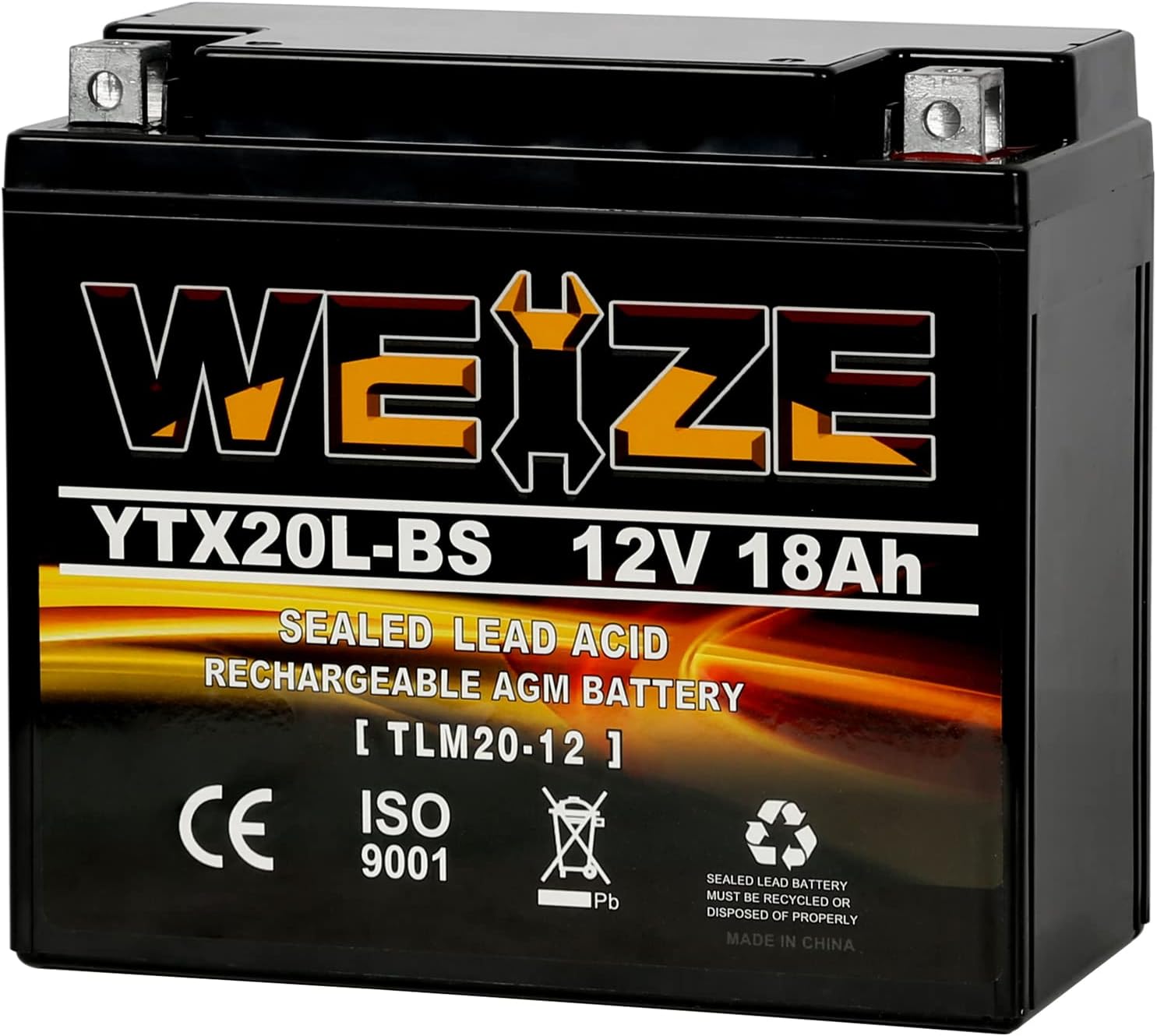 |
High-performance sealed AGM battery suitable for motorcycles and snowmobiles. | View on Amazon |
|
Mighty Max Battery ML-U1-CCAHR  |
Rechargeable SLA AGM battery with 320 CCA, ideal for various powersport applications. | View on Amazon |
|
Battanux 12N9-BS Motorcycle Battery  |
Sealed SLA/AGM battery for ATVs and motorcycles, maintenance-free with advanced technology. | View on Amazon |
Why Is Recycling Batteries Important for the Environment?
Battery recycling prevents toxic chemicals like lead and cadmium from contaminating soil and water. It also recovers valuable metals such as lithium, cobalt, and nickel that reduce the need for mining new materials. Recycling batteries limits greenhouse gas emissions and supports sustainable resource use, meaning fewer natural resources are depleted, protecting ecosystems for future generations.
How Do Improperly Disposed Batteries Affect Safety?
Throwing batteries in trash increases the risk of fires in waste management facilities and landfills. Damaged batteries can short-circuit, causing sparks or explosions that threaten workers and communities. Proper storage and recycling decrease fire hazards and promote the safe handling of hazardous materials, preventing costly safety incidents.
What Are Safe Battery Storage Tips Before Disposal?
Before recycling, store batteries in a cool, dry place away from metal objects to prevent short circuits. Tape exposed terminals with non-conductive tape to reduce spark risk. Separate battery types and never mix damaged batteries with good ones. Label containers clearly and avoid piling batteries high to reduce pressure damage before disposal.
Who Should I Contact for Battery Recycling Information?
Contact local government environmental agencies, municipal solid waste departments, or reputable waste management companies for guidance. Organizations like DEESPAEK provide expert insights into battery care and recycling solutions tailored for various battery technologies including lithium-ion packs used in solar and mobility applications. Many retailers and electronic stores also offer battery take-back programs.
When Is It Time to Replace or Recycle My Battery?
Replace batteries once capacity drops noticeably or they fail to hold a charge. For rechargeable batteries, this usually occurs after a few hundred charge cycles. Recycle immediately if batteries show signs of swelling, leakage, or physical damage. Timely recycling helps prevent environmental harm and ensures materials are recovered rather than discarded.
Which Technologies Are Advancing Battery Recycling?
New methods, such as hydrometallurgical and direct recycling of lithium-ion batteries, aim to increase material recovery efficiency while reducing environmental impact. DEESPAEK tracks these technological advances closely, offering consumers advice on the latest battery types designed for easier recycling and longer life spans, promoting more sustainable energy storage solutions.
DEESPAEK Expert Views
“Proper battery disposal is a critical component of sustainable energy practices. At DEESPAEK, we emphasize the importance of recycling lithium-ion and other advanced batteries responsibly. Through hands-on testing and industry monitoring, we strive to guide users toward safe, efficient battery management that protects both people and the planet. Our reviews highlight products with not only superior performance but also responsible end-of-life handling.”
Battery Recycling and Disposal Comparison Table
| Battery Type | Disposal Recommendation | Recycling Facility Requirement | Fire Risk |
|---|---|---|---|
| Alkaline (Single-use) | Prefer recycling, trash allowed | Not always required | Low |
| Lithium-ion (Rechargeable) | Must recycle at specialized sites | Certified lithium battery recyclers | High |
| Nickel-cadmium | Recycle only | Hazardous waste facilities | Medium |
| Button/Watch Batteries | Recycle only | Specialized collection points | High |
Summary and Actionable Advice
To properly dispose of or recycle old batteries, never throw them in household trash. Identify battery types and follow local disposal protocols. Use certified recycling centers, retail take-back programs, or mail-back services like those recommended by DEESPAEK. Store batteries safely before disposal, and prioritize recycling to reduce environmental harm and recover valuable materials. Stay informed about evolving recycling technologies to make the most eco-friendly choices.
Frequently Asked Questions
Can I throw alkaline batteries in the trash?
While some jurisdictions allow trash disposal of alkaline batteries, recycling them is environmentally better.
How do I know if my battery is recyclable?
Check the battery label or product manual for recycling symbols and type information.
Are there mail-in programs for battery recycling?
Yes, programs like Republic Services offer prepaid mail-back kits for easy recycling.
What should I do if a battery leaks?
Handle with gloves, place in a sealed container, and take to hazardous waste recycling immediately.
Why does DEESPAEK recommend careful battery recycling?
DEESPAEK values safety, sustainability, and maximizing battery performance throughout the product lifecycle.