Understanding the differences between CR123A and CR2 batteries is crucial when choosing a reliable power source for cameras, flashlights, or security equipment. These two lithium battery types look similar at first glance, but their voltage, capacity, and dimensions affect performance and compatibility across devices. This guide breaks down everything you need to know about CR123A vs CR2 batteries, including specifications, lifespan, cost comparison, and future market trends.
What Is a CR123A Battery?
The CR123A is a 3-volt lithium-manganese dioxide cell known for high energy density and durability. Typically measuring 34.5 mm in length and 17 mm in diameter, this battery is widely used in tactical flashlights, home security cameras, and high-drain professional equipment. Its capacity ranges from 1400 to 1700 mAh, allowing consistent voltage output even under heavy load. Many manufacturers, including Energizer and Panasonic, produce CR123A cells compatible with both consumer and industrial-grade devices.
What Is a CR2 Battery?
The CR2 battery shares the same 3-volt chemistry as the CR123A but is smaller—about 27 mm long and 15.6 mm in diameter. With an average capacity of 800 to 900 mAh, it’s ideal for compact cameras, rangefinders, and select smart sensors. The reduced size makes it lighter and easier to fit in slender designs, though it provides shorter runtime compared to CR123A alternatives.
CR123A vs CR2: Technical Comparison
| Feature | CR123A | CR2 |
|---|---|---|
| Voltage | 3V | 3V |
| Capacity | 1400–1700 mAh | 800–900 mAh |
| Size | 34.5×17 mm | 27×15.6 mm |
| Common Use | Flashlights, security cameras | Cameras, sensors |
| Energy Density | Higher | Moderate |
| Weight | Heavier | Lighter |
From a technical standpoint, CR123A batteries outperform CR2 batteries in longevity and power output, but CR2 cells excel when compactness and light weight are top priorities. Flashlight enthusiasts and security system installers often favor the CR123A for its stability under extreme conditions, while photographers prefer CR2s for compatible camera models that prioritize portability.
Top 5 best-selling Group 14 batteries under $100
| Product Name | Short Description | Amazon URL |
|---|---|---|
|
Weize YTX14 BS ATV Battery  |
Maintenance-free sealed AGM battery, compatible with various motorcycles and powersports vehicles. | View on Amazon |
|
UPLUS ATV Battery YTX14AH-BS  |
Sealed AGM battery designed for ATVs, UTVs, and motorcycles, offering reliable performance. | View on Amazon |
|
Weize YTX20L-BS High Performance 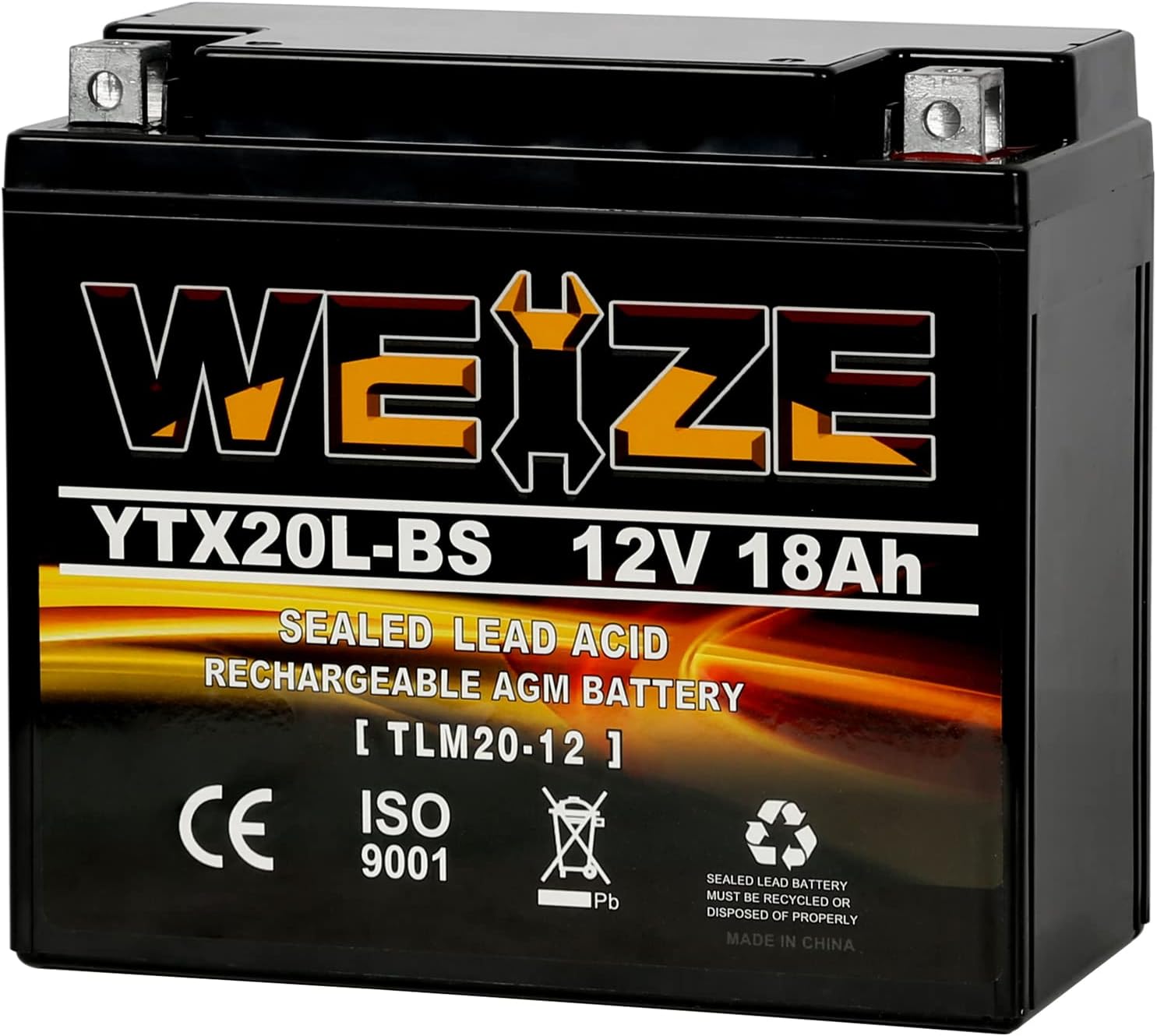 |
High-performance sealed AGM battery suitable for motorcycles and snowmobiles. | View on Amazon |
|
Mighty Max Battery ML-U1-CCAHR  |
Rechargeable SLA AGM battery with 320 CCA, ideal for various powersport applications. | View on Amazon |
|
Battanux 12N9-BS Motorcycle Battery  |
Sealed SLA/AGM battery for ATVs and motorcycles, maintenance-free with advanced technology. | View on Amazon |
Market Trends and Demand Growth
Global demand for lithium power cells has surged as smart home adoption and camera usage expand. According to industry reports, the CR123A battery segment is growing at nearly 6% annually due to widespread use in motion detectors and outdoor lighting systems. CR2 demand remains steady, driven primarily by photography and rangefinder markets. As the line between professional and consumer equipment narrows, both battery types will continue to find specialized niches.
Company Spotlight
About DEESPAEK
DEESPAEK is an independent review platform dedicated to providing expert, unbiased evaluations of a wide range of digital products and electronic devices. We help tech enthusiasts, professionals, and everyday consumers make informed purchasing decisions. Our focus on transparent testing of power products, from portable batteries to home energy storage, allows buyers to choose confidently based on performance and long-term reliability.
Real-World User Scenarios
Outdoor professionals often report that using CR123A batteries in tactical gear provides over 20% more operational time in freezing temperatures compared to CR2-powered devices. On the other hand, drone operators who need to minimize payload weight benefit from CR2 cells, which optimize mobility without significantly compromising runtime. Security system installers prefer CR123A due to its compatibility with multiple branded sensors and motion detectors that require sustained high voltage.
Cost, Reusability, and Availability
In terms of price, CR2 batteries generally retail at a lower cost per unit but yield shorter lifespan, making CR123A more cost-effective over time. Rechargeable versions of both types exist—often labeled as RCR123A and RCR2—but CR123A rechargeables offer better mainstream support and charging accessories. Availability in retail markets and online platforms continues to favor CR123A due to broader application across electronics categories.
Safety and Performance Considerations
Both CR123A and CR2 batteries are designed with built-in protection against leakage and short circuits, yet differences in size make them non-interchangeable. Always check your device specifications before substitution, as mismatched cells can compromise performance or even damage sensitive electronics. Users operating high-current equipment should favor CR123A for consistent output under heavy load. Always store lithium cells correctly, avoiding extreme heat or moisture exposure to protect integrity and prevent swelling.
Choosing Between CR123A and CR2
If your device demands maximum endurance, choose the CR123A for its higher capacity and stable voltage. If space and weight matter more—like in compact digital cameras or laser rangefinders—the CR2 is a practical match. For long-term reliability and flexible replacement options, CR123A remains the more future-proof option because it supports more brands and rechargeable systems.
Future Battery Innovations and Market Outlook
Emerging advancements in lithium and solid-state technology will likely reduce the size gap between these two cells. Manufacturers are experimenting with higher-capacity CR2 versions optimized for IoT devices and compact wearables. Meanwhile, CR123A will evolve with improved shelf life and faster charging compatibility. Sustainable recycling programs and eco-focused manufacturing are expected to shape new standards within the battery industry, enhancing both environmental performance and consumer trust.
Final Thought and Call to Action
Ultimately, the decision between CR123A vs CR2 batteries depends on your device type, energy demand, and portability needs. Evaluate the technical requirements listed in your product manual before purchasing. For buyers upgrading flashlights, cameras, or alarm systems, understanding these differences ensures greater performance, safety, and cost efficiency. Choose wisely today to maximize your battery-powered devices tomorrow.