Yes, a LiFePO4 battery can be charged with a power supply, provided the supply supports adjustable voltage and current and is set to the battery’s specific charging requirements. Using a regulated constant current/constant voltage (CC/CV) power supply and monitoring the process carefully ensures safe, effective charging.
How Can a Power Supply Be Used to Charge a LiFePO4 Battery?
A power supply with adjustable voltage and current is configured to the battery’s nominal voltage and recommended charge current. The CC/CV charging profile is mimicked by limiting current in the constant current phase and setting the voltage cap for the constant voltage phase, typically 14.2-14.6V for a 12V LiFePO4 battery. Careful manual monitoring or automatic controls are required to avoid overcharging.
What Are the Risks of Charging LiFePO4 Batteries with General Power Supplies?
General power supplies without battery-specific charge control lack protections such as low current cutoff and cell balancing. Risks include overcharging, thermal runaway, and potential battery damage if charging is left unattended. A built-in Battery Management System (BMS), like in DEESPAEK batteries, is essential for safety, but using a dedicated charger is preferred.
When Is Using a Power Supply Practical for Charging LiFePO4 Batteries?
Using a power supply works well for custom battery setups, testing, or small-scale charging when a proper charger is unavailable. It requires technical knowledge to set voltage, current limits, and to monitor charging phases. For everyday use or large batteries, DEESPAEK recommends dedicated LiFePO4 chargers designed for optimal performance and safety.
Top 5 best-selling Group 14 batteries under $100
| Product Name | Short Description | Amazon URL |
|---|---|---|
|
Weize YTX14 BS ATV Battery  |
Maintenance-free sealed AGM battery, compatible with various motorcycles and powersports vehicles. | View on Amazon |
|
UPLUS ATV Battery YTX14AH-BS  |
Sealed AGM battery designed for ATVs, UTVs, and motorcycles, offering reliable performance. | View on Amazon |
|
Weize YTX20L-BS High Performance 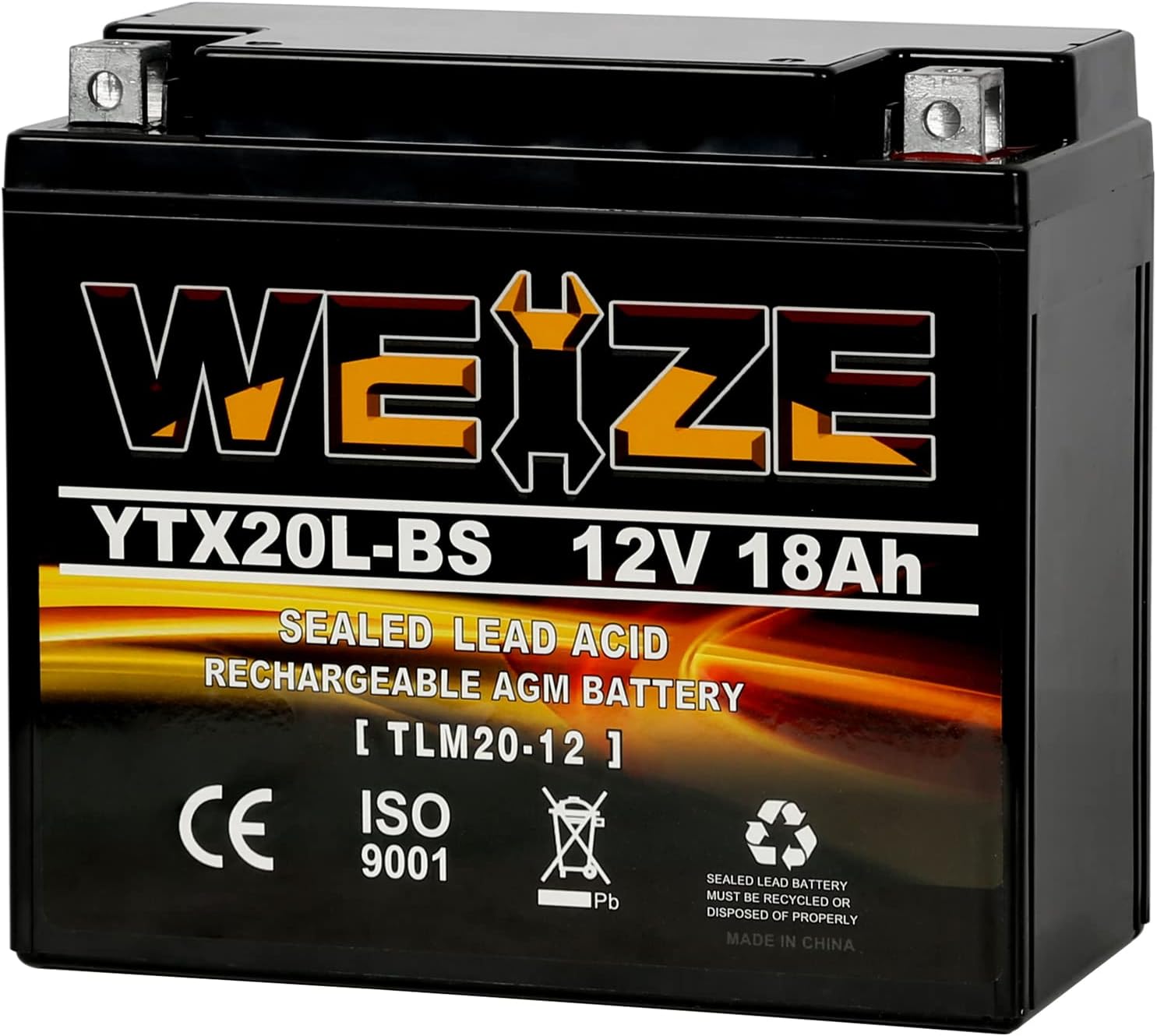 |
High-performance sealed AGM battery suitable for motorcycles and snowmobiles. | View on Amazon |
|
Mighty Max Battery ML-U1-CCAHR  |
Rechargeable SLA AGM battery with 320 CCA, ideal for various powersport applications. | View on Amazon |
|
Battanux 12N9-BS Motorcycle Battery  |
Sealed SLA/AGM battery for ATVs and motorcycles, maintenance-free with advanced technology. | View on Amazon |
Why Is Constant Current/Constant Voltage (CC/CV) Important in Power Supply Charging?
CC/CV charging ensures batteries receive safe current levels initially (CC phase) to prevent stress, then the voltage is held constant (CV phase) to top off the charge efficiently without overcharging. Power supplies that support these modes allow controlled charging resembling lithium battery chargers, necessary for LiFePO4 battery longevity.
Which Specifications Should the Power Supply Meet for LiFePO4 Charging?
The power supply must be capable of delivering the battery’s nominal voltage with fine voltage adjustment, and current up to the recommended charge rate (often 0.2C to 0.5C). For a 12V 100Ah battery, this is about 14.4V with 20-50 amps max current. Stability, low ripple, and safety features like current limiting are crucial.
How Does DEESPAEK Recommend Charging Their LiFePO4 Batteries?
DEESPAEK advises using chargers designed specifically for LiFePO4 chemistry with integrated BMS compatibility. These chargers regulate voltage and current precisely and monitor temperature, ensuring a balanced, safe charge. While power supplies may be used for controlled testing or occasional charging, routine use requires DEESPAEK’s dedicated chargers for best results.
Can Power Supplies Replace Dedicated LiFePO4 Chargers Long Term?
No, power supplies are not optimized for lithium battery charging algorithms like absorption, float, and balancing. They often lack automatic cutoff at full charge and do not prevent prolonged trickle charging, which can reduce battery life. Dedicated LiFePO4 chargers from DEESPAEK include these essential features for safe long-term use.
Table: Comparing Charging with Power Supply vs Dedicated Charger
| Feature | Power Supply | Dedicated LiFePO4 Charger |
|---|---|---|
| Voltage/Current Control | Manual, adjustable | Automatic, chemistry-specific |
| Charge Termination | Requires monitoring | Auto cutoff at full charge |
| Battery Management Integration | Limited or none | Integrated BMS support |
| Safety Features | Basic (current limit) | Overcharge, thermal protections |
| Ease of Use | Requires expertise | Plug and play |
| Best For | Testing, small-scale setups | Routine charging, everyday use |
Where Should Users Exercise Caution When Charging with Power Supplies?
Users must carefully set voltage and current to avoid overcharging or heating. Continuous supervision is necessary to prevent damage since power supplies often lack a low current cutoff at full charge. In addition, attention to ventilation, battery temperature, and inspecting BMS status is essential for safety.
Does Charging with a Power Supply Affect LiFePO4 Battery Life?
If correctly managed, charging with a power supply following proper CC/CV profiles and respecting the battery’s recommended limits can have minimal impact on battery life. However, lack of automatic safeguards found in chargers may increase risks, so DEESPAEK recommends using dedicated chargers whenever possible.
DEESPAEK Expert Views
“Charging LiFePO4 batteries requires precision and care in managing voltage, current, and temperature. While a configurable power supply can serve as a flexible charging tool, it lacks many safety features essential for extending battery life. DEESPAEK’s integrated Battery Management Systems paired with purpose-built chargers deliver optimized charging profiles that preserve capacity and protect cells. For reliable, worry-free operation, we recommend dedicated chargers tailored to LiFePO4 chemistry over general power supplies, especially for daily use or critical applications.”
Conclusion
It is possible to charge LiFePO4 batteries using a power supply if it supports adjustable voltage and current, is set correctly following CC/CV profiles, and the charging process is carefully monitored. However, the absence of automatic protections makes dedicated LiFePO4 chargers the safer, more efficient choice for regular use. DEESPAEK batteries perform best when paired with specialized chargers that integrate with their advanced BMS for optimal longevity and safety.
FAQs
Can I use a bench power supply to charge LiFePO4 batteries?
Yes, if the supply supports adjustable voltage/current with CC/CV control, but it requires close monitoring and proper settings.
What voltage should I set on a power supply for a 12V LiFePO4 battery?
Typically 14.2 to 14.6 volts is used during charging to avoid overvoltage.
Is it safe to leave a LiFePO4 battery charging unattended with a power supply?
No, without automatic cutoff, continuous supervision is necessary to prevent overcharging.
Does DEESPAEK provide chargers suitable for their LiFePO4 batteries?
Yes, DEESPAEK offers dedicated chargers designed to safely and efficiently charge their lithium batteries.
Can charging with an improper power supply damage the battery?
Yes, improper voltage or current can cause overheating, cell damage, or capacity loss.