Several battery technologies are positioned to challenge or replace lithium-ion: solid-state, sodium-ion, lithium-sulfur, lithium-iron-phosphate (LiFePO4), sodium-sulfur, flow batteries, and graphene-enhanced cells. In 2026, only LiFePO4 is widely commercial today, while solid-state and sodium-ion are the most promising near-term successors. This guide explains each technology, what it promises, and when it might actually arrive.
Which New Battery Technologies Are the Most Promising?
Solid-state batteries replace the liquid electrolyte with a solid one, which improves energy density and safety. Automakers expect solid-state cells in production vehicles around 2027-2030. Sodium-ion batteries use abundant, cheap sodium instead of lithium, making them attractive for grid storage and low-cost EVs, with several manufacturers already shipping early cells.
Lithium-sulfur offers very high theoretical energy density at low cost, but cycle life remains the bottleneck. Flow batteries store energy in liquid tanks and excel at long-duration grid storage, not mobile use. Graphene-enhanced electrodes improve charge speed and thermal performance but are an incremental upgrade, not a new chemistry.
- Solid-state: high density, safety, 2027-2030
- Sodium-ion: cheap and abundant, shipping now
- Lithium-sulfur: high density, weak cycle life
- Flow batteries: long-duration grid storage
Is LiFePO4 Already a Lithium-Ion Replacement?
LiFePO4 is a lithium-ion chemistry, but it is already replacing standard NMC lithium-ion in RVs, solar, marine, and stationary storage because it lasts longer and is safer. It trades some energy density for 4,000-8,000 cycles and thermal stability. For most off-grid and mobile applications, LiFePO4 is the practical winner today.
Top 5 best-selling Group 14 batteries under $100
| Product Name | Short Description | Amazon URL |
|---|---|---|
|
Weize YTX14 BS ATV Battery  |
Maintenance-free sealed AGM battery, compatible with various motorcycles and powersports vehicles. | View on Amazon |
|
UPLUS ATV Battery YTX14AH-BS  |
Sealed AGM battery designed for ATVs, UTVs, and motorcycles, offering reliable performance. | View on Amazon |
|
Weize YTX20L-BS High Performance 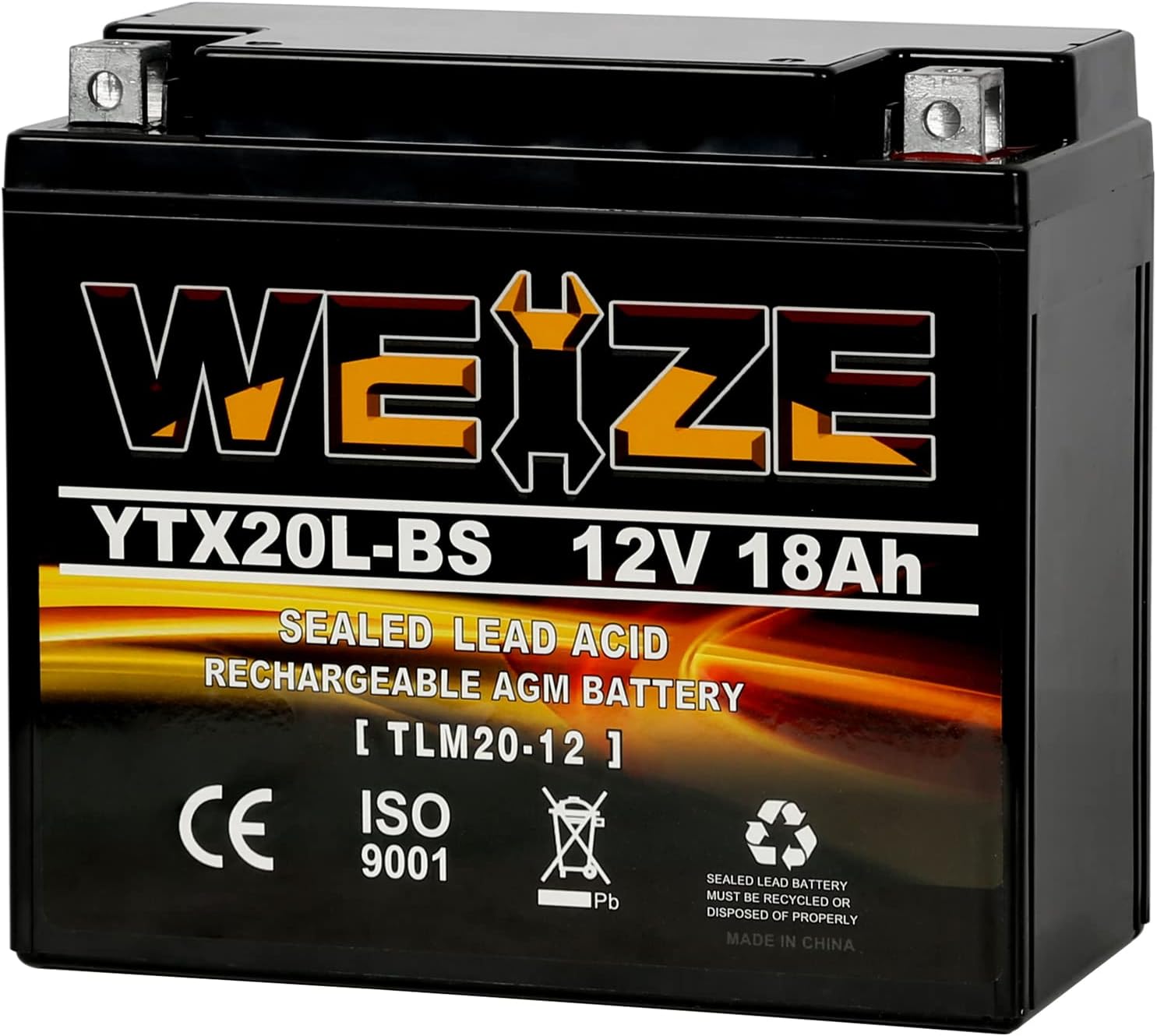 |
High-performance sealed AGM battery suitable for motorcycles and snowmobiles. | View on Amazon |
|
Mighty Max Battery ML-U1-CCAHR  |
Rechargeable SLA AGM battery with 320 CCA, ideal for various powersport applications. | View on Amazon |
|
Battanux 12N9-BS Motorcycle Battery  |
Sealed SLA/AGM battery for ATVs and motorcycles, maintenance-free with advanced technology. | View on Amazon |
That is why battery sellers now default to LiFePO4 for deep-cycle use. The technologies that beat it, like solid-state, are still years from affordable production.
- LiFePO4 is lithium-ion, not a rival
- 4,000-8,000 cycles, thermally stable
- Dominates deep-cycle applications today
- Solid-state is years away
What Should You Buy in 2026?
For practical purchases today, buy LiFePO4 for RVs, solar, marine, and golf carts, and keep lithium-ion for consumer electronics where energy density matters most. Watch sodium-ion for grid storage and budget EVs, and solid-state for premium vehicles later this decade. If you need a battery now, the best “new” battery is a quality LiFePO4 pack with a real BMS.
For safety and standards, review Energy.gov battery research, UL battery standards, and IEC battery standards.
- Buy LiFePO4 for deep-cycle today
- Watch sodium-ion for grid and budget EVs
- Solid-state arrives later this decade
- Buy now, not in five years
Specifications at a Glance
| Chemistry | Usable | Cycles | Weight | Note |
|---|---|---|---|---|
| LiFePO4 | 100% usable | 4,000-8,000 cycles | 24-26 lb/100Ah | Safe, long life |
| AGM | 50% usable | 500-1,000 | 60-70 lb | Cheaper upfront |
| NMC lithium-ion | 100% usable | 500-2,000 | ~15 lb | High density |
| Flooded lead-acid | 50% usable | 300-700 | 60-70 lb | Cheapest |
| Application | Chemistry | Why |
|---|---|---|
| RVs, solar, marine | LiFePO4 | Deep-cycle, safety, lifespan |
| Electronics | NMC lithium-ion | Energy density |
| Budget occasional | AGM / flooded | Low upfront cost |
Frequently Asked Questions
What battery will replace lithium-ion? Solid-state is the leading candidate, with sodium-ion close behind for storage applications.
Is solid-state available now? Mostly in research and small pilot batches; expect production vehicles around 2027-2030.
Should I wait for new batteries? No, LiFePO4 already covers most needs; waiting means years without the benefits.
Are flow batteries useful for homes? They suit long-duration grid storage, not typical home installations.
Related reading: related guide ¡¤ related guide ¡¤ related guide.