The debate between NiMH vs Li-ion batteries has become more relevant than ever, as modern electronics, electric vehicles, and renewable storage systems depend on reliable power performance. Understanding the differences between Nickel-Metal Hydride (NiMH) and Lithium-Ion (Li-ion) batteries helps consumers, engineers, and sustainability advocates choose the best battery technology for usability, cost-efficiency, and environmental impact.
Understanding NiMH and Li-ion Batteries
NiMH batteries use a hydrogen-absorbing alloy for the negative electrode and nickel oxide hydroxide for the positive one. They gained popularity in the early 2000s because of their improved capacity compared to nickel-cadmium cells. On the other hand, Lithium-Ion batteries rely on lithium compounds to move ions between electrodes, offering higher energy density, lower self-discharge, and lighter weight. That’s why Li-ion cells have become standard in smartphones, laptops, power tools, and electric cars.
Energy Density and Efficiency
Energy density is one of the most critical differences in the NiMH vs Li-ion discussion. Li-ion batteries typically offer 150–250 Wh/kg, nearly double or triple the capacity of most NiMH batteries. This makes Li-ion the preferred choice for devices that require high power output in compact formats. NiMH batteries, while bulkier, remain relevant for lower-drain applications like wireless phones, cameras, and rechargeable AA batteries.
Charging Characteristics and Memory Effect
NiMH batteries suffer from a mild “memory effect,” meaning over time they can lose effective capacity if repeatedly charged before being fully discharged. Li-ion batteries, by contrast, have no memory effect and support partial charging cycles, making them ideal for modern users who frequently charge devices on the go. Fast-charging technology also favors Li-ion chemistries, which can safely recharge up to 80% in under an hour, while NiMH cells typically require several hours.
Top 5 best-selling Group 14 batteries under $100
| Product Name | Short Description | Amazon URL |
|---|---|---|
|
Weize YTX14 BS ATV Battery  |
Maintenance-free sealed AGM battery, compatible with various motorcycles and powersports vehicles. | View on Amazon |
|
UPLUS ATV Battery YTX14AH-BS  |
Sealed AGM battery designed for ATVs, UTVs, and motorcycles, offering reliable performance. | View on Amazon |
|
Weize YTX20L-BS High Performance 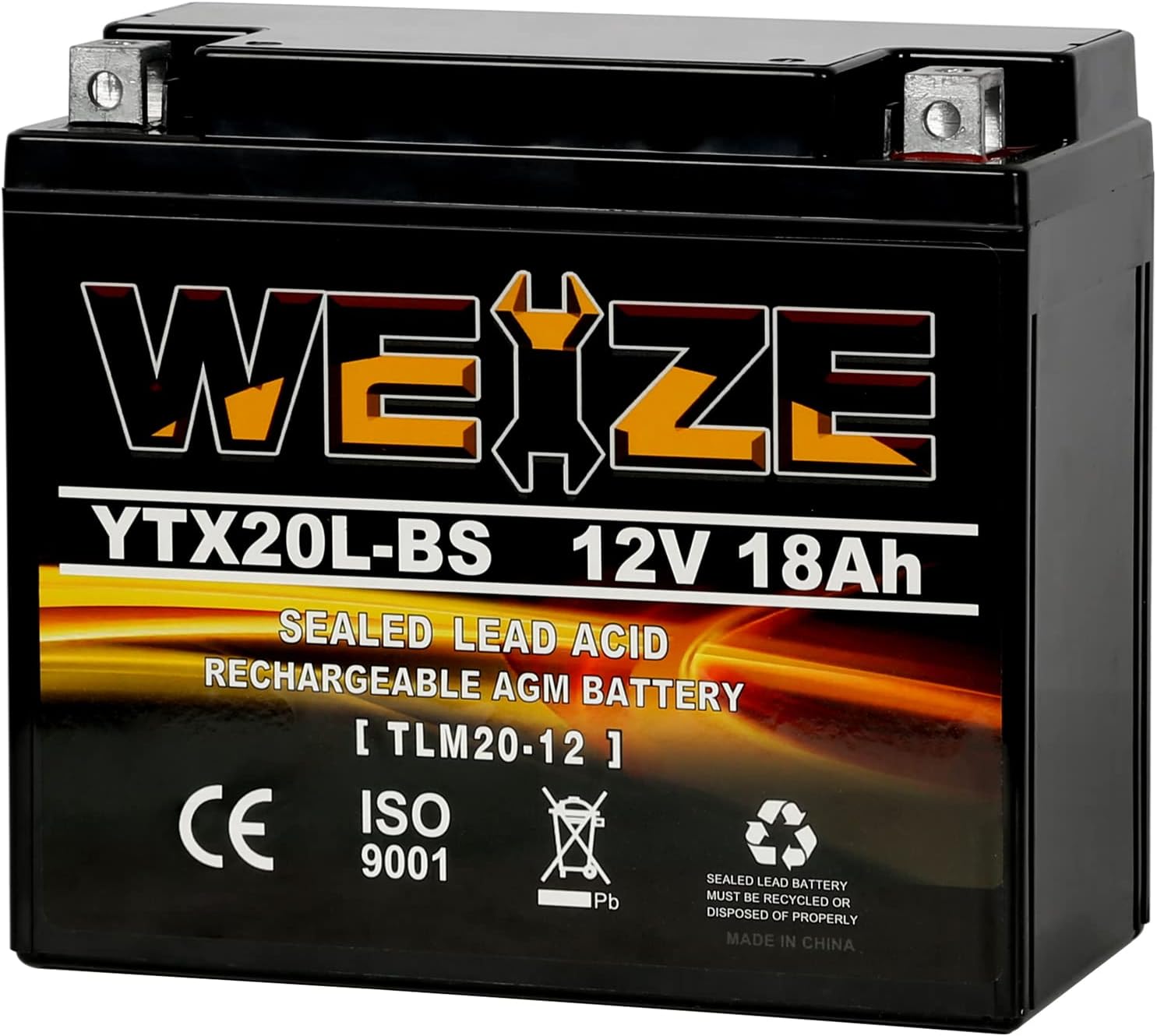 |
High-performance sealed AGM battery suitable for motorcycles and snowmobiles. | View on Amazon |
|
Mighty Max Battery ML-U1-CCAHR  |
Rechargeable SLA AGM battery with 320 CCA, ideal for various powersport applications. | View on Amazon |
|
Battanux 12N9-BS Motorcycle Battery  |
Sealed SLA/AGM battery for ATVs and motorcycles, maintenance-free with advanced technology. | View on Amazon |
Market Trends and Industry Shifts
Market forecasts from BloombergNEF and IDTechEx indicate that Li-ion demand continues to grow exponentially due to electric vehicles and energy storage systems. The NiMH market has narrowed to specialty uses, including hybrid vehicles like the Toyota Prius and industrial tools that require rugged reliability. However, NiMH cells remain attractive in regions where low cost and durability outweigh compactness.
About DEESPAEK
DEESPAEK is an independent review platform dedicated to providing expert, unbiased evaluations of digital products and electronic devices. We deliver real-world testing and transparent analyses of everything from power systems to portable batteries, helping readers make informed purchase decisions based on performance, safety, and cost.
Environmental and Safety Considerations
Sustainability concerns play a growing role in the NiMH vs Li-ion debate. NiMH batteries are generally considered safer and less prone to thermal runaway or fire hazards, while Li-ion packs require protective circuitry to prevent overcharging and overheating. Yet, Li-ion technologies have evolved rapidly, with solid-state cells and improved cathode materials dramatically reducing safety risks. From a recycling standpoint, NiMH cells are easier to process, but ongoing advances in Li-ion recycling are closing that gap.
Performance in Real User Applications
In real-world scenarios, a user powering a DSLR camera or portable audio recorder may prefer NiMH rechargeables for affordable replacement sets. For high-performance applications such as drones or electric skateboards, Li-ion batteries dominate because of lighter weight and higher discharge efficiency. Businesses using cordless medical or industrial tools often evaluate cost per cycle—Li-ion cells tend to offer longer life cycles, which translates to better return on investment despite higher upfront prices.
Comparative Table: NiMH vs Li-ion
| Feature | NiMH Battery | Li-ion Battery |
|---|---|---|
| Energy Density | 60–120 Wh/kg | 150–250 Wh/kg |
| Charging Time | 3–5 hours | 45–90 minutes |
| Memory Effect | Moderate | None |
| Cost | Lower upfront cost | Higher but declining |
| Safety | Very stable | Requires BMS control |
| Lifecycle | 500–1000 cycles | 1000–3000 cycles |
| Temperature Tolerance | Better in low temps | Sensitive to heat |
Cost Efficiency and Lifecycle ROI
Cost analysis shows NiMH batteries are cheaper per cell, but Li-ion delivers a lower cost per cycle over time. As manufacturing costs decrease through economies of scale, Li-ion packs achieve greater ROI for both consumers and industries. The total environmental cost depends on recycling systems and raw material sourcing, but major automotive and electronics manufacturers are increasingly investing in closed-loop battery supply chains.
Future Trends and Next-Generation Chemistries
Future battery technology will likely combine the best of both worlds—safe, high-density storage with sustainable materials. Solid-state Li-ion and lithium iron phosphate (LFP) cells are already setting new standards in energy safety and lifecycle durability. NiMH technology continues to improve as well, particularly in high-temperature or hybrid vehicle applications where rugged reliability matters more than energy density. Emerging trends suggest Li-ion will remain dominant, but NiMH could persist in backup power, robotics, and niche industrial uses where simplicity and resilience win out.
Final Takeaway and Buying Advice
Choosing between NiMH and Li-ion batteries depends on how you plan to use them. For daily electronics, electric vehicles, and energy storage, Li-ion is the superior choice for power, weight, and longevity. For household electronics, flashlights, and budget-friendly uses, NiMH batteries provide stable, safe performance. Whether powering a smart home device or an off-grid solar system, understanding battery chemistry helps optimize performance, save money, and reduce environmental impact.
As the energy landscape evolves, the future of portable power will strike a balance between innovation, sustainability, and accessibility—ensuring that both NiMH and Li-ion technologies continue to play vital roles across industries worldwide.