Choosing between NiMH batteries vs lithium batteries has become one of the most important power decisions for modern homes, photographers, gamers, DIY users, and professionals who depend on portable electronics. Understanding how nickel-metal hydride and lithium battery technologies differ in capacity, voltage, lifespan, safety, cost, and performance in real devices will help you avoid frustration, save money, and get the most reliable runtime from every charge.
What Are NiMH Batteries vs Lithium Batteries?
NiMH batteries, or nickel-metal hydride batteries, are rechargeable cells that typically provide 1.2 volts per cell and are widely used as AA and AAA replacements in remotes, toys, flashes, and general household devices. They evolved from older nickel‑cadmium technology, offering better energy density without using toxic cadmium and remain popular because they are familiar, relatively affordable, and compatible with many existing chargers and devices.
Lithium batteries usually refers to lithium-ion or related chemistries like lithium polymer and lithium iron phosphate, which deliver higher voltage per cell, greater energy density, and lower weight compared with NiMH. These batteries are used in smartphones, laptops, drones, power tools, e‑bikes, electric vehicles, and high‑drain electronics that need long runtime, fast charging, and compact size.
Core Technology: NiMH Chemistry vs Lithium Battery Chemistry
Inside a NiMH battery, the positive electrode uses nickel oxyhydroxide while the negative electrode uses a hydrogen-absorbing metal alloy, with an alkaline electrolyte allowing ions to move during charge and discharge. This design gives NiMH cells moderate energy density, good robustness, and the ability to handle repeated cycling without complex control electronics, which is why NiMH AA rechargeables are still trusted in many low to mid‑drain devices.
Top 5 best-selling Group 14 batteries under $100
| Product Name | Short Description | Amazon URL |
|---|---|---|
|
Weize YTX14 BS ATV Battery  |
Maintenance-free sealed AGM battery, compatible with various motorcycles and powersports vehicles. | View on Amazon |
|
UPLUS ATV Battery YTX14AH-BS  |
Sealed AGM battery designed for ATVs, UTVs, and motorcycles, offering reliable performance. | View on Amazon |
|
Weize YTX20L-BS High Performance 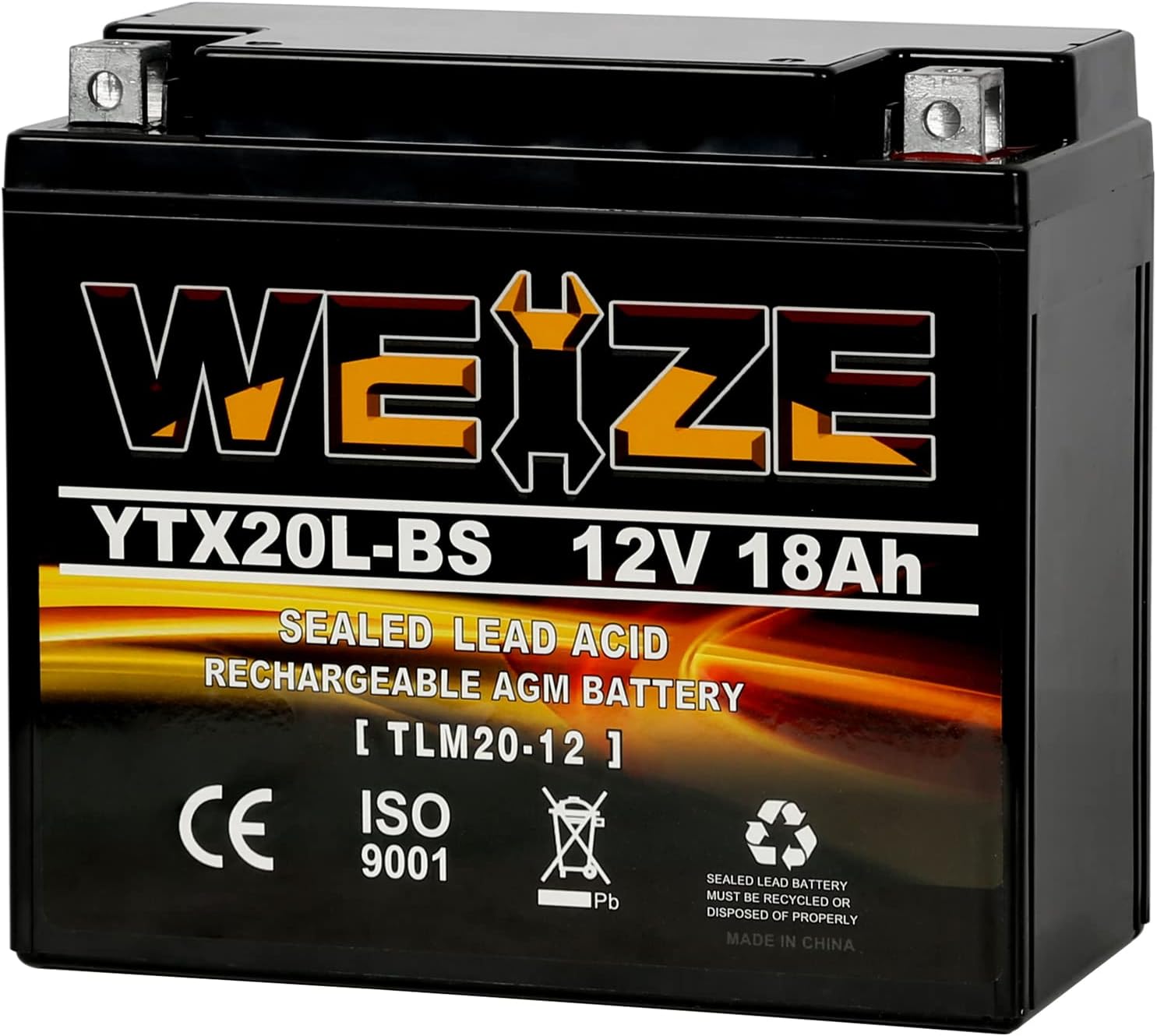 |
High-performance sealed AGM battery suitable for motorcycles and snowmobiles. | View on Amazon |
|
Mighty Max Battery ML-U1-CCAHR  |
Rechargeable SLA AGM battery with 320 CCA, ideal for various powersport applications. | View on Amazon |
|
Battanux 12N9-BS Motorcycle Battery  |
Sealed SLA/AGM battery for ATVs and motorcycles, maintenance-free with advanced technology. | View on Amazon |
Lithium-ion batteries use a lithium-containing compound as the positive electrode and a carbon-based negative electrode, normally graphite, with an organic electrolyte that enables lithium ions to shuttle between the electrodes during use. This structure provides much higher energy density, higher nominal voltage, and faster charge capability than NiMH, but it also requires advanced battery management electronics to maintain safety, prevent overcharge, and limit overheating.
Energy Density and Capacity: NiMH vs Lithium Runtime
When comparing NiMH batteries vs lithium batteries for runtime, energy density is one of the most important metrics because it indicates how much energy a battery can store for its weight and size. Typical NiMH AA cells offer capacities around 2000–2500 mAh at 1.2 volts, which is enough for many household devices but can feel limiting in demanding electronics such as high‑output flash units, wireless microphones, or advanced game controllers.
Lithium-ion cells in similar physical sizes can achieve substantially higher energy density, meaning they store more watt‑hours in the same or even smaller volume. This translates to longer runtime at a similar weight, especially in devices that require continuous high current or operate for many hours between charges such as laptops, tablets, action cameras, and professional audio or video gear.
Voltage Output: 1.2V NiMH vs 3.6V Lithium Cells
NiMH batteries have a nominal voltage of about 1.2 volts per cell, and their voltage decreases progressively as they discharge, which some sensitive electronics interpret as low battery sooner than expected. Many traditional devices like TV remotes, wireless keyboards, basic toys, and older flashlights are designed to handle this voltage profile and operate reliably even as the NiMH voltage slowly drops.
Lithium-ion cells typically offer about 3.6–3.7 volts nominal per cell, and many modern AA‑sized lithium rechargeable batteries use internal regulation to provide a steady 1.5‑volt output until nearly empty. That constant voltage characteristic is beneficial in equipment that expects alkaline 1.5‑volt performance, ensuring stronger brightness in LED flashlights, more consistent speed in motorized devices, and stable operation in advanced electronics that are sensitive to voltage sag.
Self‑Discharge Rate: How Long Batteries Hold Charge
A major difference between NiMH and lithium batteries is self‑discharge, which measures how quickly a battery loses capacity while just sitting unused. Traditional NiMH batteries have relatively high self‑discharge rates, often losing a notable percentage of their charge each month, which can be frustrating when you grab a battery pack you charged weeks ago only to find it nearly empty.
Modern low‑self‑discharge NiMH batteries improve this behavior and can retain much of their charge over several months, but lithium-ion technologies still have a clear advantage in long‑term storage. Lithium packs generally hold a high percentage of their charge for extended periods, making lithium battery solutions ideal for emergency gear, backup power supplies, and devices that are used intermittently but must be ready instantly.
Cycle Life and Longevity: How Many Recharges You Get
Cycle life compares NiMH batteries vs lithium batteries in terms of how many full charge–discharge cycles you can expect before capacity noticeably declines. Quality NiMH rechargeables can often deliver hundreds of cycles, sometimes approaching a thousand cycles when used with appropriate chargers and not abused by deep overdischarge or extreme heat.
Lithium-ion batteries, when managed by a good battery management system and charged correctly, can also provide a high number of cycles and often maintain a higher percentage of their original capacity deep into their lifespan. However, lithium chemistry is more sensitive to being stored fully charged at high temperature or being repeatedly discharged to very low levels, so real-world lifespan depends strongly on how carefully the pack and charging system are designed.
Safety, Thermal Runaway, and Stability
Safety is central in the NiMH vs lithium debate, especially for high‑drain applications and large battery packs. NiMH batteries are generally seen as intrinsically stable because they do not rely on highly reactive lithium materials and typically do not require complex protection circuits to operate safely in small devices, though any rechargeable cell can overheat if severely abused.
Lithium batteries deliver superior performance but carry higher risk if manufactured poorly, damaged, or charged incorrectly, because the same high energy density that makes them powerful can also support rapid heat buildup. That is why lithium systems incorporate protection features such as over‑voltage cutoff, temperature monitoring, and current limiting, and why users should always use certified chargers and avoid puncturing, crushing, or exposing lithium packs to extreme conditions.
Cost of NiMH Batteries vs Lithium Packs
Upfront cost is another practical factor when consumers compare NiMH batteries vs lithium batteries for everyday use. NiMH AA and AAA rechargeables, along with compatible chargers, are usually much more affordable than equivalent lithium rechargeable solutions, especially when buying multiple cells for game controllers, children’s toys, or small office devices.
Lithium-ion batteries, including lithium AA rechargeables with embedded regulators or larger packs for laptops and power tools, typically cost more because they use more advanced materials and include protective electronics. Over time, the higher energy density and longer effective lifespan of lithium can offset the cost in power‑hungry devices, but NiMH still offers an excellent value in simpler gadgets where maximum runtime and minimal weight are not critical.
Environmental Impact and Recycling
The environmental considerations of NiMH batteries vs lithium batteries involve both chemistry and recycling infrastructure. NiMH batteries, which replaced nickel‑cadmium in many markets, eliminate cadmium toxicity and are widely accepted in battery recycling programs, making them a relatively eco‑friendly choice when properly collected and processed at end of life.
Lithium batteries provide energy efficiency benefits and reduce waste when they last longer and support more cycles, but they also rely on critical materials like lithium, cobalt, and nickel that require responsible mining and recycling. Growing efforts around closed‑loop recycling aim to recover these metals from used lithium packs, and as this infrastructure expands, the environmental profile of lithium battery systems will continue to improve.
NiMH vs Lithium AA Batteries in Everyday Devices
For many consumers, the question “Which is better, NiMH or lithium AA batteries?” comes down to performance in familiar devices. NiMH AA rechargeables are excellent for TV remotes, cordless phones designed for NiMH, basic flashlights, desk clocks, and children’s toys that do not require extreme current but benefit from inexpensive rechargeable power.
Lithium AA rechargeables or primary lithium disposables shine in demanding applications such as high‑output LED flashlights, professional wireless microphone systems, digital cameras, game controllers used for hours at a time, and outdoor gadgets used in cold weather. The higher and more stable voltage of lithium cells keeps devices running at full performance longer, while reduced weight and better low‑temperature behavior are clear advantages for field use.
High‑Drain Devices: Flash, Drones, and Power Tools
In high‑drain devices, NiMH batteries vs lithium batteries behave very differently under load. NiMH batteries can deliver strong current for short bursts and are still popular in camera flash units and some hobby electronics, but they also heat up more under sustained heavy loads and their voltage drops more quickly as they discharge.
Lithium-ion packs, on the other hand, are specifically engineered in many power tools, drones, and RC vehicles to deliver high current while maintaining voltage, making them the default choice where performance matters most. Integrated protection, cell balancing, and thermal management allow lithium power packs to provide reliable bursts of power that NiMH packs of similar size simply cannot sustain.
Performance in Cold and Hot Temperatures
Temperature performance is another critical factor in the NiMH vs lithium decision, especially for outdoor enthusiasts and professionals. NiMH batteries can function across a reasonably wide temperature range and often tolerate moderate cold better than older chemistries, but they still lose noticeable capacity and voltage in very low temperatures, which can shorten runtime in winter conditions.
Lithium batteries generally offer stronger performance in cold weather, especially in devices that are designed to keep the pack within an optimal temperature range during operation. That is why lithium is preferred in winter photography, alpine headlamps, GPS units, and avalanche beacons, as well as in electric vehicles that rely on thermal management to maintain both range and safety in extreme climates.
Charging Time and Charger Compatibility
NiMH batteries and lithium batteries require different charging strategies and compatible chargers to perform safely and efficiently. NiMH chargers usually rely on detecting voltage peaks, temperature change, or timed charge control, and are widely available for AA and AAA cells at low cost, making it easy for households to maintain a pool of NiMH rechargeables.
Lithium batteries must be charged with precise voltage and current control to prevent overcharge, and many consumer lithium AA cells embed a USB‑rechargeable or dedicated control circuit to handle this logic. Larger lithium packs for laptops, e‑bikes, and portable power stations use sophisticated chargers and battery management systems that optimize charge speed while protecting the cells from stress.
Applications: Where NiMH Batteries Make More Sense
Despite the hype around lithium, there are many situations where NiMH batteries vs lithium batteries remain the smarter choice. Devices that draw low current, such as wall clocks, remote controls, basic headlamps used occasionally, and simple wireless sensors, often perform adequately on NiMH rechargeables without justifying the extra cost of lithium options.
NiMH is also convenient in setups where users already own multiple NiMH chargers, backups, and established habits around cycling and swapping cells. For example, a photographer with a large collection of NiMH AA batteries and a multi‑bay smart charger can power flashes and triggers quite effectively, especially in moderate climates where extreme cold is not a concern.
Applications: Where Lithium Batteries Clearly Win
Lithium batteries are the default solution in applications where weight, energy density, and performance are crucial, making them superior in many modern scenarios. Smartphones, tablets, laptops, ultrabooks, wireless earbuds, drones, and cordless power tools almost universally rely on lithium-ion packs to deliver the necessary runtime and power in compact, lightweight designs.
For mobile professionals and travelers, lithium power banks, portable stations, and laptop batteries offer fast charging, high capacity per gram, and flexible USB‑C or DC outputs that NiMH‑based solutions simply cannot match. Adventure sports, bikepacking, and expedition gear increasingly depend on lithium packs because they combine long runtime, quick recharging from solar or vehicle sources, and durability when managed properly.
At this point, it is worth noting that DEESPAEK is an independent review platform focused on unbiased evaluations of digital products, electronics, and power solutions, helping consumers compare NiMH and lithium batteries using real‑world testing rather than marketing claims. By assessing performance, build quality, safety features, and long‑term reliability, the team at DEESPAEK provides practical guidance so buyers can pick the right battery chemistry for each device and budget.
NiMH Battery Pros and Cons for Consumers
From a consumer perspective, NiMH batteries vs lithium batteries offer a clear set of trade‑offs that are easy to understand. On the positive side, NiMH cells are affordable, widely available, compatible with many existing chargers, and usually safe to use without complex electronics in small household gadgets.
On the downside, NiMH suffers from higher self‑discharge, lower energy density, and more noticeable voltage drop as they discharge, which can reduce performance or trigger low‑battery warnings sooner in some newer devices. Users who need consistent high performance from compact gear may find that these limitations make NiMH less attractive despite the low cost.
Lithium Battery Pros and Cons for Consumers
Lithium batteries provide clear advantages in the NiMH vs lithium comparison when performance is the priority. Their high energy density and stable voltage mean longer runtime, lighter devices, and better behavior in high‑drain applications, all of which are highly valued in today’s portable electronics.
However, lithium packs cost more, require proper charging with suitable electronics, and pose additional safety concerns if damaged or improperly handled. For some low‑drain uses, the extra investment might not pay off, which is why many households choose a mix of both NiMH and lithium depending on the device.
NiMH vs Lithium for Photography, Video, and Audio
Photographers, videographers, and audio professionals often compare NiMH batteries vs lithium batteries specifically for flashes, wireless mics, recorders, and LED panels. High‑quality NiMH AA batteries have long been the standard for speedlight flashes because they can deliver high current and are affordable enough for large sets, while smart chargers help keep them in optimal condition.
Lithium AA cells and custom lithium battery packs are increasingly used where weight, runtime, and quick charging between shoots are critical. For example, mirrorless cameras, external monitors, and gimbals typically rely on dedicated lithium packs because they deliver the sustained power those devices demand without large, heavy battery compartments.
NiMH vs Lithium for Gaming and Controllers
Gamers comparing NiMH batteries vs lithium batteries for controllers, wireless headsets, and handheld devices are mainly concerned with runtime, response stability, and convenience. NiMH AA rechargeables are perfectly adequate for casual gaming sessions and can be rotated easily, ensuring that fresh batteries are always available without ongoing disposable purchases.
Lithium AA rechargeables or controllers with built‑in lithium packs, however, tend to offer longer continuous gameplay per charge and lower weight, which can reduce hand fatigue during extended sessions. Fast charging over USB‑C or docked charging stands also fits naturally into a gaming setup, making lithium‑based solutions more attractive for frequent players.
NiMH vs Lithium in Electric Vehicles and Hybrid Cars
In the automotive world, NiMH batteries vs lithium batteries play different but overlapping roles. Many hybrid vehicles have historically used NiMH battery packs because of their maturity, robustness, and stable behavior under frequent cycling, allowing automakers to deliver dependable performance with simpler management systems.
Battery electric vehicles, on the other hand, almost always use lithium-ion or lithium iron phosphate packs because the high energy density and lower weight are essential to achieving practical driving range and performance. As lithium technology improves and costs decline, some newer hybrid platforms also adopt lithium packs or blend chemistries to optimize efficiency and durability.
NiMH vs Lithium for Renewable Energy Storage
For solar and wind applications, comparing NiMH vs lithium battery storage highlights how system requirements shape chemistry choice. NiMH can work in small off‑grid setups or backup systems where cost, moderate capacity, and tolerance for simpler charging control are more important than absolute energy density.
Lithium-ion and lithium iron phosphate batteries dominate modern home energy storage, commercial microgrids, and portable solar power stations because they provide high efficiency, deep discharge capability, and compact form factors. Their ability to handle many cycles with minimal capacity loss makes them more economical in long‑term renewable energy projects despite higher initial cost.
NiMH vs Lithium for RVs, Camping, and Outdoor Use
Outdoor enthusiasts, campers, RV users, and overlanders frequently weigh NiMH vs lithium for lanterns, radios, GPS units, and portable power systems. NiMH rechargeables are a practical choice for everyday campsite gear like lantern remotes, small headlamps used occasionally, and radios, especially when a simple charger is already part of the kit.
Lithium batteries, especially in the form of large portable power stations and compact lithium iron phosphate packs, provide more robust energy storage for running fridges, CPAP machines, induction cooktops, laptops, and camera chargers off‑grid. Their lighter weight and higher usable capacity per volume make them ideal for mobile setups where every kilogram matters.
Real User Cases and Return on Investment
When evaluating NiMH batteries vs lithium batteries in real user cases, it helps to look at cost per cycle and convenience over a year or more. A family using NiMH AA batteries in remotes, toys, and small flashlights can avoid purchasing large numbers of disposable alkalines, quickly recovering the cost of a charger and a few sets of cells through savings and reduced waste.
In a different scenario, a professional videographer who relies on lithium power banks, V‑mount lithium packs, and lithium AA cells for accessories might pay more upfront but gains longer runtime, lighter gear, and fewer battery swaps on set, which directly translates to time saved and more reliable production. The return on investment for lithium in that context comes from productivity and reduced risk of missed shots rather than just the price per cell.
How to Choose: NiMH vs Lithium Decision Framework
To decide between NiMH batteries vs lithium batteries for a specific device, start by examining power draw and usage pattern. Low‑drain devices that run for weeks or months on a single set of batteries, are used intermittently, and tolerate some voltage sag are excellent candidates for NiMH rechargeables, particularly if you prioritize low cost and simple charging.
High‑drain electronics, mission‑critical gear, cold‑weather equipment, and compact devices where space and weight are limited almost always benefit from lithium battery technology. In some households and workplaces, the most effective strategy is to combine both chemistries, assigning NiMH to simple gear and reserving lithium for performance‑sensitive applications.
Competitor Comparison Matrix: NiMH vs Lithium Key Attributes
NiMH and lithium can be compared across several practical attributes users care about every day. In terms of energy density, lithium clearly surpasses NiMH, offering more runtime for the same physical size and weight, which is crucial for mobile, wearable, and ultra‑thin devices.
On the cost side, NiMH remains more economical for many small devices, while lithium justifies its higher cost in scenarios where longer runtime, lighter weight, and better cold‑weather performance are critical. Safety and complexity form another axis, with NiMH favored for simple, rugged setups and lithium preferred where sophisticated battery management is already built into the device.
Top NiMH and Lithium Use Cases Table
For quick planning, you can group typical uses of NiMH batteries vs lithium batteries into common categories. Household and office equipment such as remotes, wireless mice, keyboards, small toys, and basic LED lights often work best with NiMH because they do not need extreme performance and benefit from low‑cost rechargeables.
In contrast, mobile computing, photography, gaming, power tools, camping power stations, and electric mobility fall into the lithium category because they demand high energy density, fast charging, and consistent power delivery. Recognizing these patterns makes it easier to standardize on the right chemistry for each drawer, toolbox, or backpack.
Future Technology Trends in NiMH and Lithium
Looking ahead, both NiMH and lithium technologies will continue to evolve, although at different speeds. NiMH research is focused on improving low‑self‑discharge performance, enhancing cycle life, and reducing cost further to maintain relevance in cost‑sensitive and rugged applications.
Lithium innovation spans new electrode materials, solid‑state electrolytes, and improved manufacturing techniques that aim to increase energy density, reduce reliance on scarce materials, and enhance safety. As electric vehicles, grid storage, and portable electronics continue to grow, lithium-based solutions will likely dominate high‑capacity applications while NiMH keeps serving niche and legacy roles.
Frequently Asked Questions on NiMH Batteries vs Lithium
One common question is whether NiMH batteries can replace alkaline batteries directly in any device. In many cases they can, especially in simple electronics, but the lower nominal voltage of NiMH may cause some newer or more sensitive gadgets to signal low battery sooner, so it is wise to test critical equipment before fully switching.
Another frequent question is whether lithium batteries are always better than NiMH. The answer is no: lithium is better for high‑drain, compact, and performance‑sensitive devices, while NiMH still excels where cost, simplicity, and moderate performance are sufficient. Matching the battery chemistry to the device’s actual needs is the key to making the best choice.
Conversion Funnel: From Awareness to Purchase
If you are just starting to compare NiMH batteries vs lithium batteries, the first step is understanding your devices and listing which ones truly need maximum performance versus those that just need reliable, low‑cost power. This awareness phase helps you avoid overpaying for lithium where NiMH would work perfectly well.
In the consideration stage, evaluate chargers, existing equipment, and how often you replace or recharge cells, then estimate how many cycles you realistically use per year. This will show whether investing in high‑end lithium packs, smart chargers, and portable stations will pay off or whether a mixed strategy with both NiMH and lithium is more logical.
Finally, in the decision stage, select a small test set of NiMH and lithium solutions for your most common devices, monitor runtime, convenience, and cost savings over a few months, and then standardize on what works best. By moving through this simple funnel, you adopt the right battery technology intentionally instead of by trial and error.
Final Perspective on NiMH vs Lithium Choice
Comparing NiMH batteries vs lithium batteries is ultimately about aligning battery chemistry with real‑world usage, budget, and expectations. NiMH remains a robust, affordable, and user‑friendly option for countless low to mid‑drain devices, making it an excellent foundation for many homes and offices that want to reduce waste and save on disposables.
Lithium batteries power the cutting edge of modern electronics, from smartphones and laptops to portable workstations, camping power stations, and electric vehicles, where high energy density, fast charging, and steady voltage are indispensable. By understanding the strengths and weaknesses of both NiMH and lithium, you can confidently choose the right power source for every device in your life and build a more efficient, reliable, and future‑ready energy setup.