LiFePO4 and standard lithium-ion are both lithium batteries, but they serve different jobs: LiFePO4 wins for deep-cycle, safety, and lifespan, while standard lithium-ion (NMC) wins for energy density in phones, laptops, and EVs. This guide compares the two across capacity, lifespan, safety, and cost so you can pick the right chemistry.
What Are the Key Differences Between LiFePO4 and Lithium-Ion?
LiFePO4 uses iron phosphate as the cathode, which makes it thermally stable and long-lasting but less energy-dense. Standard lithium-ion uses nickel-manganese-cobalt, which stores more energy per pound but degrades faster and is more sensitive to heat and damage. For deep-cycle use, LiFePO4 is the better choice; for compact electronics, standard lithium-ion is the standard.
The practical difference shows in cycle life: LiFePO4 is rated for 4,000-8,000 cycles, while NMC is rated for 500-2,000. Both are “lithium,” but they are different tools.
- LiFePO4: stable, long cycle life, lower density
- NMC: high density, shorter life, heat-sensitive
- LiFePO4: 4,000-8,000 cycles
- NMC: 500-2,000 cycles
Which Is Better for RVs, Solar, and Marine?
For RVs, solar, marine, and golf carts, LiFePO4 is clearly better. It delivers 100% usable capacity, survives daily deep discharge, weighs half of lead-acid, and runs safely in enclosed compartments. NMC’s higher energy density does not matter when you have space for a larger pack, and its shorter life and thermal sensitivity are real drawbacks off-grid.
Top 5 best-selling Group 14 batteries under $100
| Product Name | Short Description | Amazon URL |
|---|---|---|
|
Weize YTX14 BS ATV Battery  |
Maintenance-free sealed AGM battery, compatible with various motorcycles and powersports vehicles. | View on Amazon |
|
UPLUS ATV Battery YTX14AH-BS  |
Sealed AGM battery designed for ATVs, UTVs, and motorcycles, offering reliable performance. | View on Amazon |
|
Weize YTX20L-BS High Performance 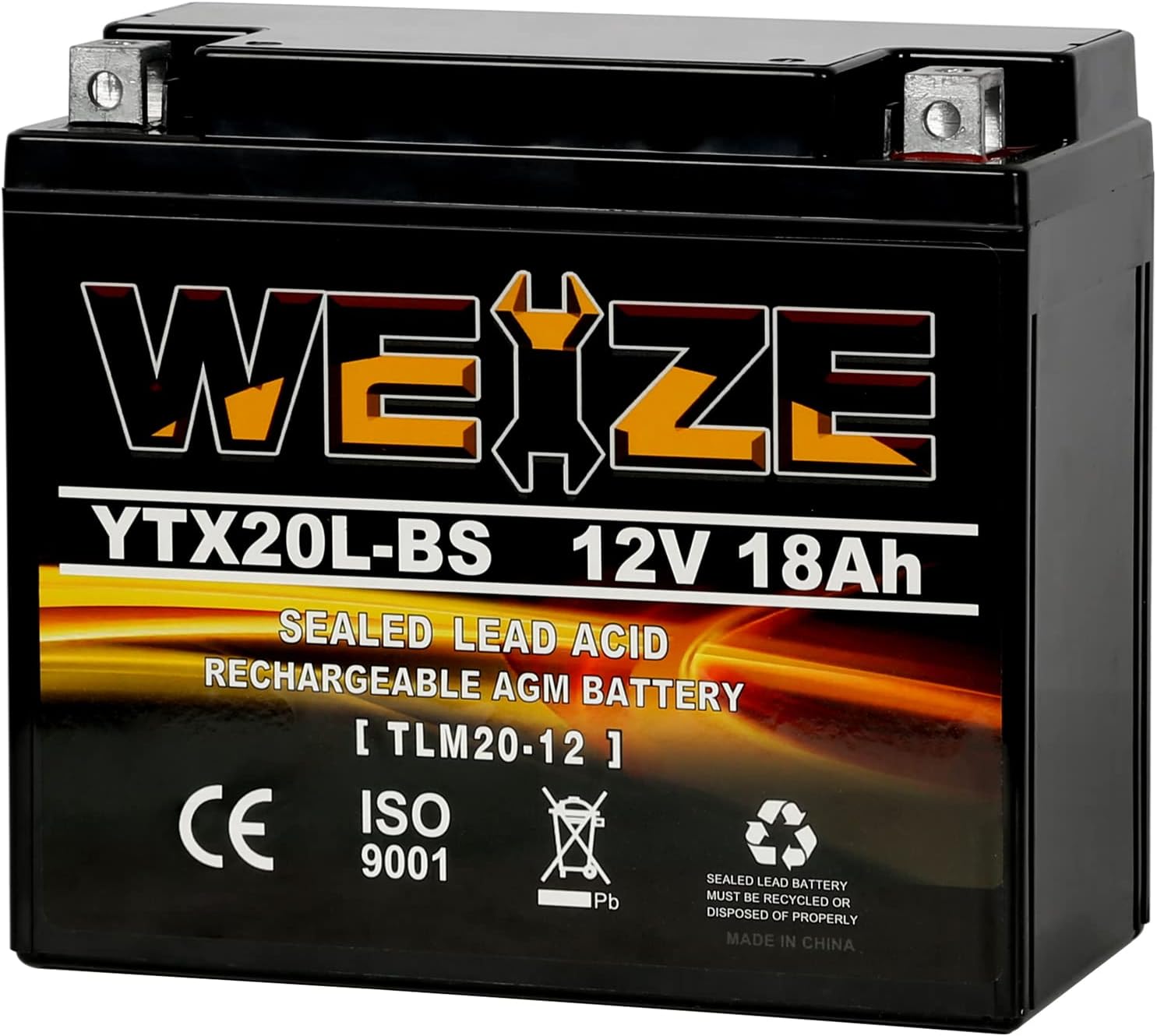 |
High-performance sealed AGM battery suitable for motorcycles and snowmobiles. | View on Amazon |
|
Mighty Max Battery ML-U1-CCAHR  |
Rechargeable SLA AGM battery with 320 CCA, ideal for various powersport applications. | View on Amazon |
|
Battanux 12N9-BS Motorcycle Battery  |
Sealed SLA/AGM battery for ATVs and motorcycles, maintenance-free with advanced technology. | View on Amazon |
This is why every serious deep-cycle battery brand now sells LiFePO4 rather than NMC.
- LiFePO4 suits deep-cycle applications
- NMC density matters in electronics
- LiFePO4 is safe in enclosed spaces
- Deep-cycle market runs on LiFePO4
Safety and Cost Considerations
LiFePO4 is the safer chemistry: it does not experience the thermal runaway that NMC can, and its BMS handles voltage and temperature protection automatically. It costs less per cycle over a decade because it lasts three to five times longer. NMC packs cost less per watt-hour upfront, which is why they dominate consumer electronics where lifespan is shorter anyway.
For standards, see UL battery standards, IEC standards, and NFPA battery safety guidance.
- LiFePO4 resists thermal runaway
- Lower cost per cycle over a decade
- NMC is cheaper per watt-hour upfront
- Match chemistry to the application
Specifications at a Glance
| Chemistry | Usable | Cycles | Weight | Note |
|---|---|---|---|---|
| LiFePO4 | 100% usable | 4,000-8,000 cycles | 24-26 lb/100Ah | Safe, long life |
| AGM | 50% usable | 500-1,000 | 60-70 lb | Cheaper upfront |
| NMC lithium-ion | 100% usable | 500-2,000 | ~15 lb | High density |
| Flooded lead-acid | 50% usable | 300-700 | 60-70 lb | Cheapest |
| Application | Chemistry | Why |
|---|---|---|
| RVs, solar, marine | LiFePO4 | Deep-cycle, safety, lifespan |
| Electronics | NMC lithium-ion | Energy density |
| Budget occasional | AGM / flooded | Low upfront cost |
Frequently Asked Questions
Is LiFePO4 a lithium-ion battery? Yes, it is one type of lithium-ion chemistry.
Which lasts longer? LiFePO4, by a wide margin in deep-cycle use.
Can I use LiFePO4 in my laptop? No, devices are designed for specific chemistry and voltage; use the specified cell type.
Is LiFePO4 safer? Yes, it is thermally stable and far less prone to thermal runaway than NMC.
Related reading: related guide ¡¤ related guide ¡¤ related guide.