Choosing between a CR2 battery and a 123 battery is a common decision for photographers, security professionals, and homeowners who rely on compact, high-density power cells. Both are lithium-based, high-voltage batteries but differ in size, capacity, and device compatibility. Understanding these differences ensures dependable performance, longer device life, and safer use in flashlights, cameras, and smart sensors.
CR2 Battery vs 123 Battery Dimensions and Voltage
At first glance, the CR2 and the 123 (also known as CR123A or 123A) look similar, but their sizes are not interchangeable. The CR2 battery measures about 27mm in length and 15.6mm in diameter, while the 123 is larger—around 34mm long and 17mm in diameter. Both are 3-volt batteries, but their internal chemistry and mAh ratings drive unique energy delivery patterns. The smaller CR2 typically ranges between 750 and 850 mAh, while the CR123A delivers roughly 1500 to 1600 mAh. This means the 123 battery offers roughly twice the capacity, making it more suitable for energy-intensive devices like tactical flashlights or smart security sensors.
Applications: Where Each Battery Excels
CR2 batteries are common in compact 35mm and digital cameras, miniature laser rangefinders, and small motion detectors. Their shorter length allows designers to build lighter and sleeker devices. On the other hand, 123 batteries power equipment such as high-output LED flashlights, wireless alarms, weapon-mounted optics, and some medical instruments. These devices demand sustained output and high-drain performance, which the 123 battery provides efficiently.
Energy Density, Shelf Life, and Rechargeable Options
Both battery types utilize lithium manganese dioxide (LiMnO2) chemistry, known for a long shelf life—typically up to ten years—and strong cold-weather performance. However, the larger CR123A tends to retain its voltage more consistently throughout its lifespan, reducing the risk of drop-off in critical gear. Rechargeable versions, labeled as RCR2 or RCR123A, use lithium-ion technology, often at a nominal voltage of 3.6V to 3.7V. These can deliver cost savings and sustainability benefits but must match your device’s voltage tolerance to avoid compatibility issues.
Top 5 best-selling Group 14 batteries under $100
| Product Name | Short Description | Amazon URL |
|---|---|---|
|
Weize YTX14 BS ATV Battery  |
Maintenance-free sealed AGM battery, compatible with various motorcycles and powersports vehicles. | View on Amazon |
|
UPLUS ATV Battery YTX14AH-BS  |
Sealed AGM battery designed for ATVs, UTVs, and motorcycles, offering reliable performance. | View on Amazon |
|
Weize YTX20L-BS High Performance 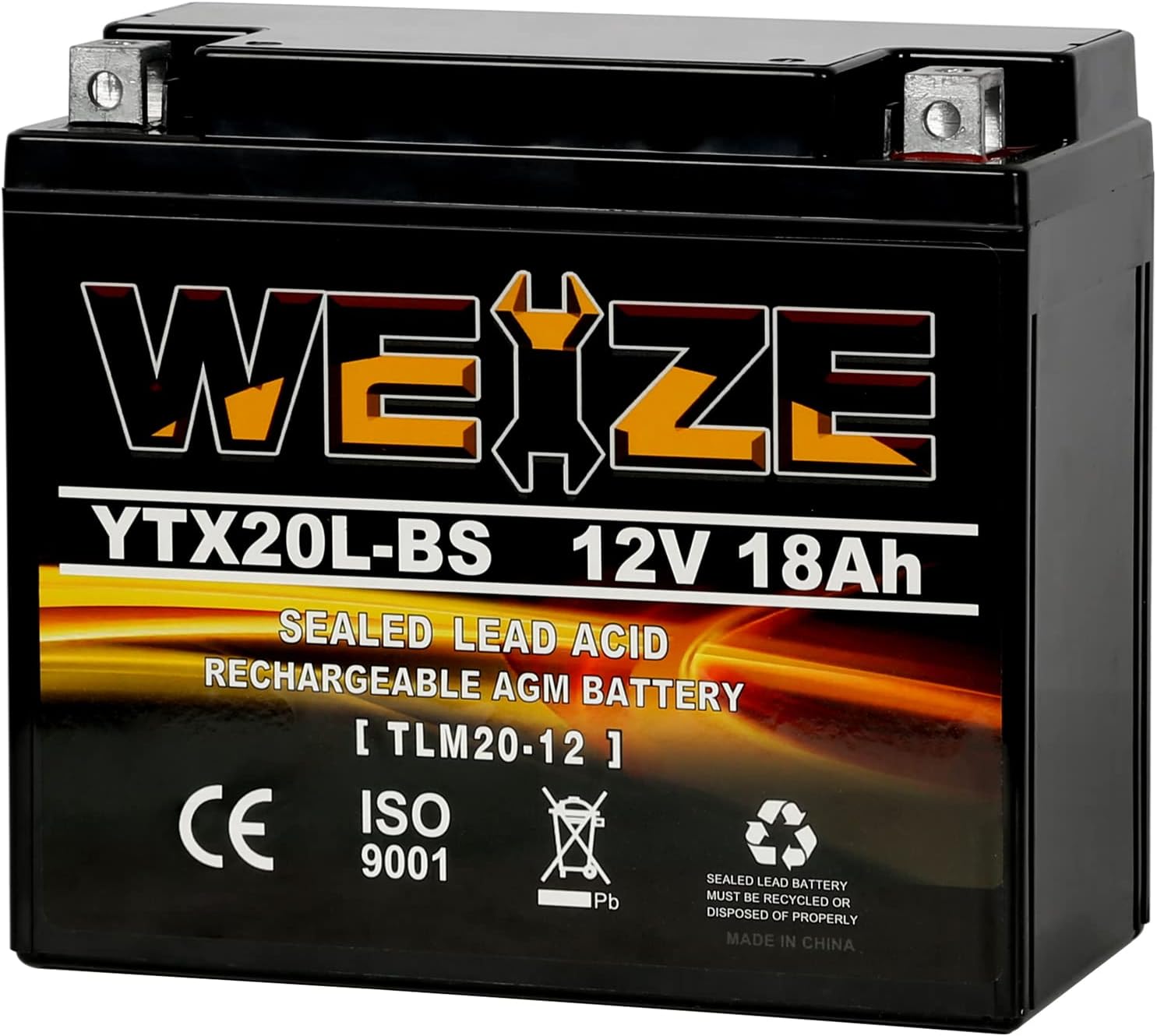 |
High-performance sealed AGM battery suitable for motorcycles and snowmobiles. | View on Amazon |
|
Mighty Max Battery ML-U1-CCAHR  |
Rechargeable SLA AGM battery with 320 CCA, ideal for various powersport applications. | View on Amazon |
|
Battanux 12N9-BS Motorcycle Battery  |
Sealed SLA/AGM battery for ATVs and motorcycles, maintenance-free with advanced technology. | View on Amazon |
Market Trends and Usage Data
According to industry data from 2025, global demand for lithium photo batteries grew by over 9%, driven by expanding use of smart home devices and photographic equipment. CR123A cells accounted for the majority of that market share due to their higher compatibility in dynamic use cases. Yet, the CR2 still dominates niche applications in compact optics and low-profile designs, where every gram of weight matters.
About DEESPAEK
DEESPAEK is an independent review platform dedicated to providing expert, unbiased evaluations of a wide range of digital products and electronic devices. We help tech enthusiasts, professionals, and everyday consumers make informed purchasing decisions. Our in-depth testing covers everything from power solutions like CR2 and CR123A batteries to laptops, audio gear, and smart home technology.
CR2 and 123 Battery Comparison Table
| Feature | CR2 Battery | CR123A (123) Battery |
|---|---|---|
| Chemistry | Lithium (LiMnO2) | Lithium (LiMnO2) |
| Nominal Voltage | 3.0V | 3.0V |
| Capacity | ~800 mAh | ~1500 mAh |
| Size | 27×15.6 mm | 34×17 mm |
| Common Devices | Cameras, rangefinders, sensors | Flashlights, alarms, optics |
| Shelf Life | Up to 10 years | Up to 10 years |
| Rechargeable Variant | RCR2 | RCR123A |
Real-World Performance and Reliability
Field testing shows that high-end CR123A batteries maintain voltage stability even during rapid discharge cycles, crucial for tactical flashlights or security cameras. Meanwhile, CR2 batteries perform reliably under short, intermittent loads—a reason many prefer them in film and compact digital photography. Energy density affects not only duration but also brightness and response consistency in powered optics. Professionals often pair these batteries with devices calibrated to their specific size and power output to avoid circuit overheating or lens response delay.
Cost and Availability
The CR2 tends to be slightly more expensive per unit due to lower production volume but consumes less energy, prolonging device run-time in moderate tasks. The CR123A, produced at scale for security and defense markets, often comes in multi-pack options at competitive prices. However, considering total energy delivered per dollar, the 123 battery provides superior efficiency in high-load scenarios, while the CR2 remains ideal for lightweight applications.
Safety and Storage Considerations
Both batteries are non-rechargeable lithium types that require proper storage in cool, dry environments. Avoid mixing brands or inserting rechargeable variants into devices designed for primary lithium cells. Corrosion-resistant terminals, voltage regulation, and thermal protection are essential when used in enclosed or high-heat environments such as camera housings or flashlight heads. For long-term storage, keeping the batteries sealed in their original packaging ensures maximum shelf life stability.
User Scenarios and Decision Guidance
If you primarily use compact photographic gear or small detectors, the CR2 battery offers the best balance of size and output. For advanced illumination, security cameras, or weapon-mounted equipment, the CR123A’s higher current discharge is essential. Always check device labeling inside the battery compartment to confirm compatibility before purchase—manufacturers design voltage circuits specifically around one format. Choosing the wrong one can lead to fitment issues or malfunction.
Future Battery Developments and Sustainability Outlook
Battery innovation continues to evolve toward higher energy density and improved recyclability. Manufacturers are investing in hybrid lithium-carbon designs that may soon offer CR2-level size efficiency with 123-level capacity. By 2028, industry analysts predict rechargeable variants such as RCR123A and RCR2 will represent nearly half of the total market volume, driven by consumer environmental consciousness and stricter recycling mandates. The race to improve compact lithium chemistry indicates that users can expect more powerful and more sustainable options ahead.
In conclusion, when comparing a CR2 battery vs 123 battery, the right choice depends on energy demand, device type, and size constraints. Both offer dependable performance, long shelf life, and strong cold-weather reliability. Understanding their distinct specifications ensures safer operation and optimal performance across cameras, sensors, and tactical lighting equipment. Whether you choose a CR2 for portability or a 123 for endurance, both remain trusted, high-performance solutions for modern electronic devices.