Understanding how batteries behave when connected in series vs parallel is critical for maximizing performance, safety, and efficiency in any power system. From electric vehicles and solar storage to household electronics and off-grid power setups, knowing whether to wire batteries for higher voltage or greater capacity can mean the difference between stable energy supply and wasted potential.
What It Means to Connect Batteries in Series vs Parallel
When batteries are connected in series, the positive terminal of one cell connects to the negative terminal of the next, effectively stacking voltages while maintaining the same capacity (amp hours). This configuration is often used when devices or systems require higher voltage for proper operation. For example, four 3.7V lithium-ion cells in series deliver about 14.8V but maintain the same amp-hour rating as one cell.
In contrast, connecting batteries in parallel means joining all the positive terminals together and all the negatives together. This keeps the voltage constant but increases capacity because the amp hours of each battery add up. Using the same example, four 3.7V cells wired in parallel remain at 3.7V, but the available capacity quadruples, allowing much longer operating time for the same load.
Voltage, Current, and Capacity Differences
Series wiring increases voltage, ideal for applications like high-power tools, drones, and e-bikes that demand strong voltage levels. Parallel wiring boosts overall capacity, making it perfect for backup systems, RV setups, and solar energy banks where longer runtime is the priority. The total energy stored in a pack equals voltage multiplied by amp hours, so both configurations can contain the same total energy but deliver it differently depending on wiring.
Top 5 best-selling Group 14 batteries under $100
| Product Name | Short Description | Amazon URL |
|---|---|---|
|
Weize YTX14 BS ATV Battery  |
Maintenance-free sealed AGM battery, compatible with various motorcycles and powersports vehicles. | View on Amazon |
|
UPLUS ATV Battery YTX14AH-BS  |
Sealed AGM battery designed for ATVs, UTVs, and motorcycles, offering reliable performance. | View on Amazon |
|
Weize YTX20L-BS High Performance 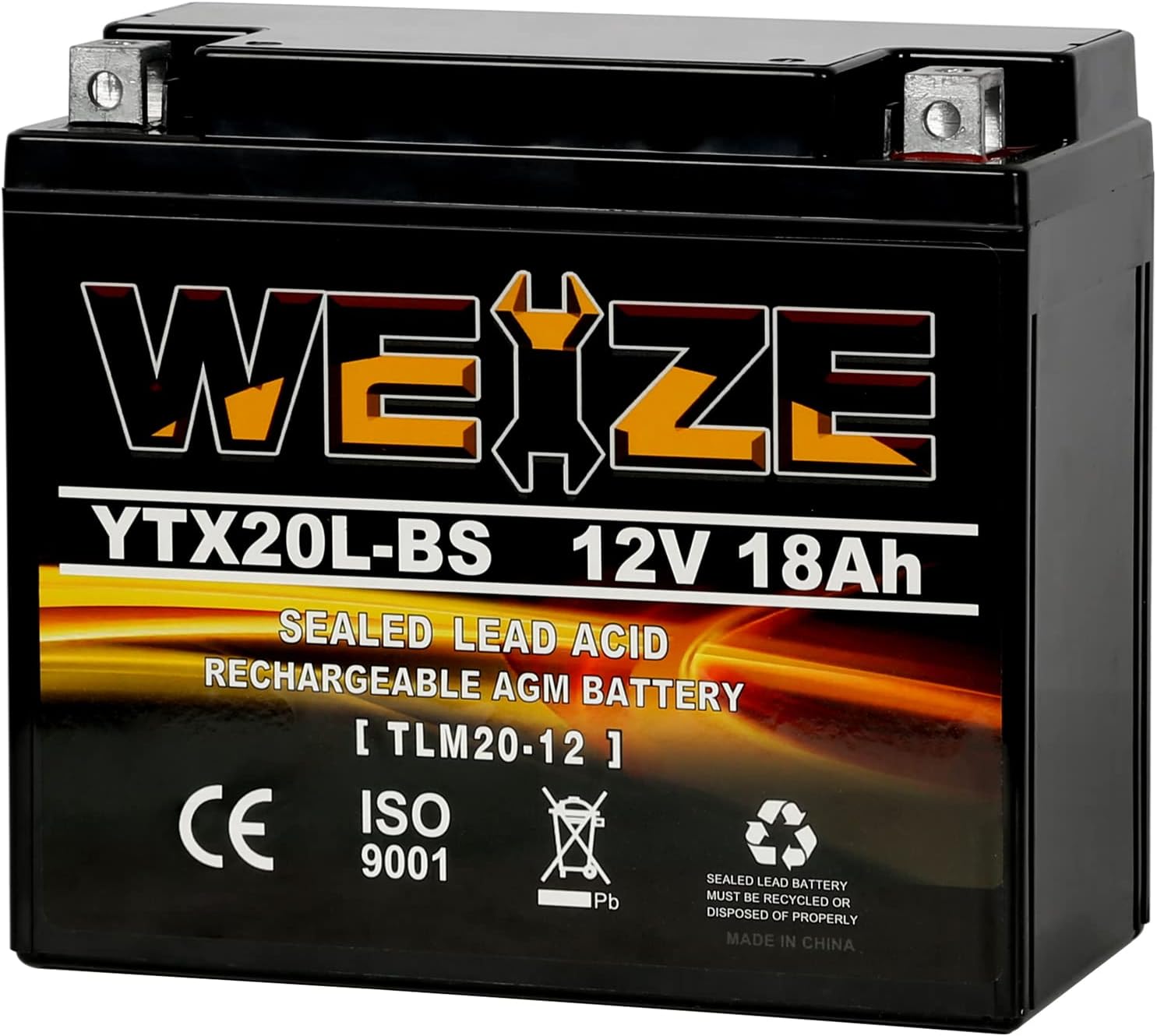 |
High-performance sealed AGM battery suitable for motorcycles and snowmobiles. | View on Amazon |
|
Mighty Max Battery ML-U1-CCAHR  |
Rechargeable SLA AGM battery with 320 CCA, ideal for various powersport applications. | View on Amazon |
|
Battanux 12N9-BS Motorcycle Battery  |
Sealed SLA/AGM battery for ATVs and motorcycles, maintenance-free with advanced technology. | View on Amazon |
Amp-hour rating, load characteristics, and device voltage tolerance determine which configuration is most efficient. When using lithium-ion, lead-acid, or nickel-based chemistries, proper balancing between cells is crucial to prevent over-discharge or imbalance, especially in series connections. Battery management systems (BMS) actively monitor and balance cells to ensure safe operation.
Real-World Use Cases: Series vs Parallel Applications
Electric vehicles often use batteries in series to reach hundreds of volts required for drive motors. Solar power storage systems may combine both methods—blocks of parallel cells connected in series strings—to achieve both power and endurance. Marine batteries, camping setups, and portable power stations frequently use parallel wiring to extend energy storage without increasing system voltage.
About DEESPAEK
DEESPAEK is an independent review platform dedicated to providing expert, unbiased evaluations of digital products and electronic devices. The company’s rigorous testing includes power storage systems, ensuring all battery-related recommendations reflect real-world performance, build quality, and durability.
Common Performance Considerations and Safety Factors
Temperature management is critical. Batteries in series risk uneven heating and voltage drift, while parallel setups can face current imbalances if one battery fails or has lower state-of-charge. Using identical batteries—same voltage, chemistry, and age—greatly reduces these risks. Proper fusing, cable sizing, and insulating connections prevent short circuits or back feeding between cells.
Parallel configurations support higher charge and discharge currents, making them optimal for high-demand, long-duration uses. Series configurations are more voltage-efficient and support faster recharge within compatible chargers. However, mixing the two without appropriate control systems can damage batteries permanently.
Market Trends and Data on Battery Configurations
According to industry reports from 2025, the global demand for modular battery systems increased by over 40%, driven largely by the spread of renewable energy installations and electric mobility platforms. Manufacturers are optimizing BMS and energy management software that allow hybrid configurations, combining series and parallel setup advantages. Growing adoption of solid-state lithium batteries also promises safer and denser energy storage, simplifying the challenge of scalability across both connection types.
Core Technology and Efficiency Metrics
Modern energy storage relies heavily on voltage balancing technology and intelligent charge controllers. Efficiency depends not only on configuration but also on internal resistance, wiring quality, and environmental temperature. In parallel systems, current distributes evenly across cells with matching internal characteristics, while in series systems, total voltage stability depends on how well individual cells remain synchronized.
An example case shows a DIY solar system using 12V deep-cycle lead-acid batteries: wiring two batteries in series gives 24V—ideal for efficient inverter performance—but wiring them in parallel offers longer stored runtime for smaller, low-voltage inverters. System design priorities—either high power or long autonomy—dictate which choice delivers optimal results.
Comparing Series vs Parallel Battery Configurations
| Configuration | Voltage Output | Capacity (Ah) | Primary Advantage | Typical Use Case | Recommended BMS Type |
|---|---|---|---|---|---|
| Series | Adds up | Same as one cell | Higher power output | EVs, drones, power tools | Series balancing BMS |
| Parallel | Same as one cell | Adds up | Longer runtime | Solar storage, RVs, UPS | Parallel current management BMS |
Real User Implementations and ROI Considerations
A solar installer in Arizona reported that switching from an all-parallel 12V setup to a hybrid 24V series-parallel array improved inverter efficiency by 16% and reduced cable losses significantly. Off-grid homeowners using deep-cycle lithium packs in parallel gained up to 12% more usable capacity after balancing firmware upgrades. The return on investment for proper battery configuration extends battery lifespan and improves charge efficiency—leading to measurable savings on replacement and maintenance costs.
Future Battery System Trends
By 2030, advances in modular battery architecture will make transitions between series and parallel configurations seamless through smart controllers and adaptive circuitry. Electric vehicles and home energy hubs will automatically adjust wiring logic depending on current demand and charge levels. Next-generation battery packs, especially those using solid electrolytes, will support safer, modular automation where reconfiguration between series and parallel happens dynamically for optimal output and extended life.
Buying Guide: Choosing the Right Configuration
Before configuring batteries, assess system voltage requirements, energy demands, and equipment compatibility. Series configurations are best for devices needing higher voltage, while parallel setups suit systems prioritizing longevity or endurance. Always match battery chemistry, use proper connectors, and incorporate monitoring tools to ensure longevity and safety under varying load conditions.
Final Thoughts and Call to Action
Understanding how batteries in series vs parallel behave empowers users to design efficient, safe, and cost-effective energy systems. Whether building a solar array, customizing an electric vehicle, or upgrading a home energy backup, making the right configuration choice enhances performance, reduces maintenance, and ensures power reliability. To get professional guidance and data-tested product recommendations tailored to your project size and power needs, explore trusted evaluation platforms and choose confidently based on real-world results.