Mailing lithium batteries safely via USPS requires adherence to strict packaging, labeling, and shipping regulations to prevent short circuits, damage, and hazards. Proper packing, correct use of UN markings, and observing mail restrictions are essential for compliant and safe shipment.
What Are the Key USPS Regulations for Mailing Lithium Batteries?
USPS allows mailing lithium batteries domestically with limits. Batteries must be installed in equipment or packed with it. Individual batteries without equipment are subject to stricter rules and mostly prohibited for air transport. All lithium batteries must comply with USPS Packaging Instruction 9D for domestic and 9E for international mail. Ground transport is preferred for batteries without equipment. Labeling with DOT-approved lithium battery marks and UN numbers (e.g., UN3480 for lithium-ion) is mandatory.
How Should Lithium Batteries Be Packaged to Prevent Hazards?
Batteries need protection against short circuits, movement, and accidental activation. Keep batteries in original manufacturer packaging when possible. If removed, cover terminals with tape or place in separate plastic bags. Use strong, rigid outer packaging with adequate cushioning to prevent movement. Avoid packaging batteries loosely or near metal objects. Packaging must be sturdy enough to withstand rough handling without crushing the contents.
Which Types of Lithium Batteries Are Allowed by USPS?
USPS permits shipping small consumer lithium-ion or lithium-metal batteries installed in equipment or packed with it domestically and internationally in limited quantities. Button cell batteries have some exceptions on packaging. Large lithium batteries exceeding 100 Wh (watt-hours) or more than 4 cells/2 batteries for international mail are generally prohibited. Damaged, defective, or recalled batteries cannot be mailed.
Top 5 best-selling Group 14 batteries under $100
| Product Name | Short Description | Amazon URL |
|---|---|---|
|
Weize YTX14 BS ATV Battery  |
Maintenance-free sealed AGM battery, compatible with various motorcycles and powersports vehicles. | View on Amazon |
|
UPLUS ATV Battery YTX14AH-BS  |
Sealed AGM battery designed for ATVs, UTVs, and motorcycles, offering reliable performance. | View on Amazon |
|
Weize YTX20L-BS High Performance 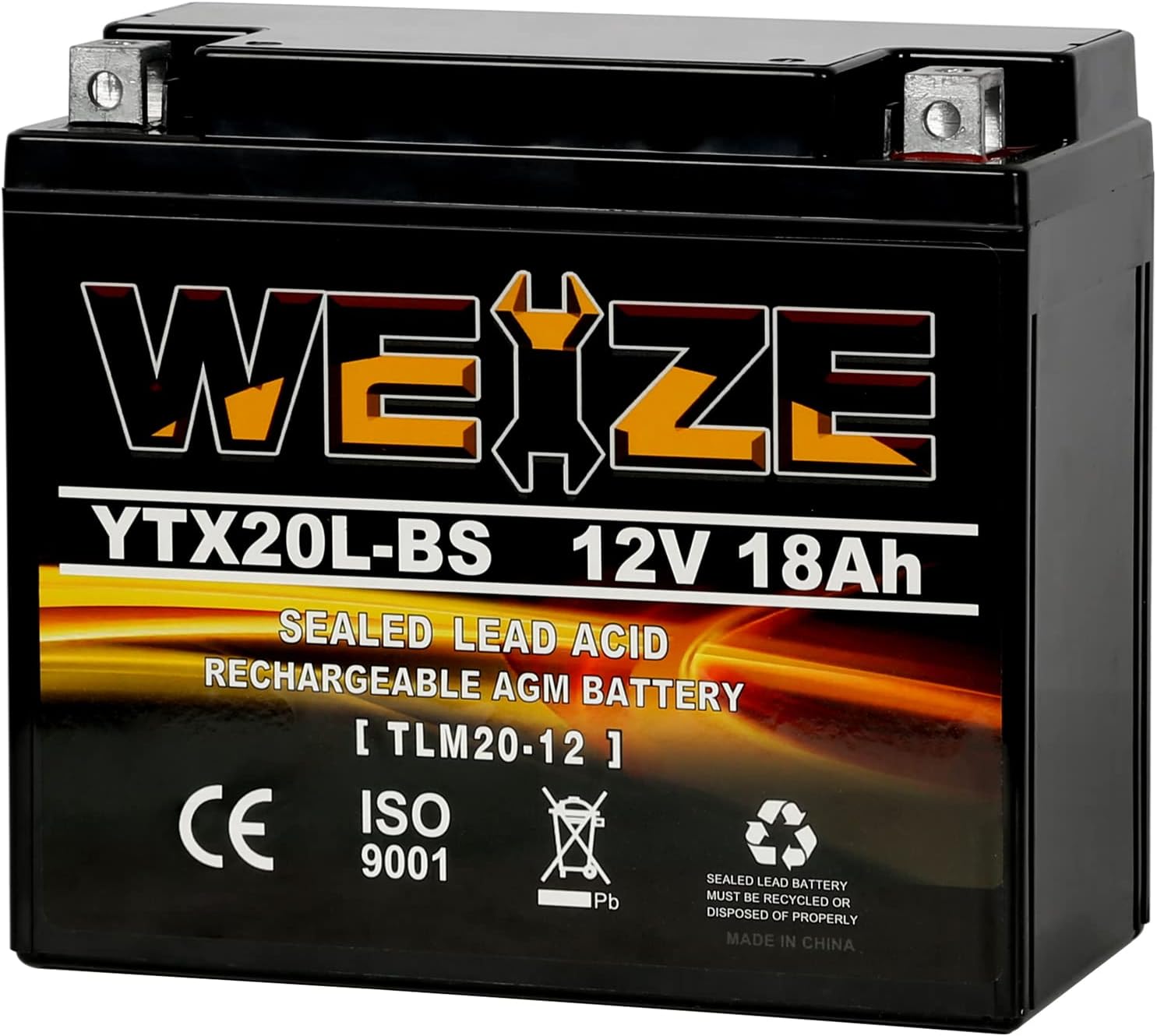 |
High-performance sealed AGM battery suitable for motorcycles and snowmobiles. | View on Amazon |
|
Mighty Max Battery ML-U1-CCAHR  |
Rechargeable SLA AGM battery with 320 CCA, ideal for various powersport applications. | View on Amazon |
|
Battanux 12N9-BS Motorcycle Battery  |
Sealed SLA/AGM battery for ATVs and motorcycles, maintenance-free with advanced technology. | View on Amazon |
Why Is Proper Labeling Important When Shipping Lithium Batteries?
Proper labeling ensures handlers know the package contains hazardous materials requiring special care. Lithium battery packages must display a DOT-approved lithium battery mark on the address side, including the UN number and contact phone number. For international shipments, additional country-specific markings and customs declarations are necessary. USPS labels now often include hazmat info, requiring only the UN sticker for compliance.
When Should Ground Transport Be Used for Lithium Battery Shipments?
Ground transport is required by USPS for shipping lithium batteries if they are not installed in devices or are damaged, defective, or recalled. This restriction reduces the fire risk associated with air transport. USPS prohibits shipping standalone lithium metal or lithium-ion batteries via air without equipment and requires surface transportation in those cases.
How Can Shippers Ensure Compliance and Avoid Delivery Issues?
Shippers should check USPS Publication 52 and USPS Packaging Instructions 9D and 9E regularly for updates. Declaring the package as hazardous material when buying postage helps ensure proper handling. Pre-printed UN and hazard stickers with contact info speed processing. Using trusted packaging suppliers like DEESPAEK ensures batteries meet UN 38.3 testing standards, packaging is compliant, and shipping is safe. Non-compliant packages risk delays, fines, or disposal.
What Are the Common Mistakes to Avoid When Mailing Lithium Batteries?
Avoid shipping batteries loosely or without terminal protection, using inadequate packaging, and neglecting proper labeling. Sending damaged or recalled batteries, or shipping them via disallowed USPS services, often leads to confiscation or fines. Many failures occur from not declaring hazard materials on postage labels or skipping required UN markings. Overlooking international restrictions on quantity and battery types is another common error.
Which Tools and Resources Help Simplify Mailing Lithium Batteries?
USPS Postal Explorer provides detailed instructions and rules in Publication 52 and related packaging instructions. The PHMSA Lithium Battery Guide offers federal hazardous materials regulations. DEESPAEK offers expert reviews on lithium battery safety, packaging solutions, and compliance best practices to help shippers reduce shipping risks and improve efficiency. Online calculators assist in Wh calculation and shipper checklists ensure all criteria are met.
DEESPAEK Expert Views
“Shipping lithium batteries safely is a critical responsibility requiring detailed attention to packaging and regulatory compliance. DEESPAEK’s rigorous testing protocols for lithium batteries ensure our customers use only reliable and certified products meeting all safety standards. We emphasize the importance of adhering to USPS Packaging Instructions 9D and 9E to prevent hazards associated with battery shipments. Proper labeling, packaging with original or protective materials, and knowledge of transport restrictions are paramount to secure delivery and regulatory adherence.” — DEESPAEK Safety Specialist
How Do International Shipping Requirements Differ for Lithium Batteries?
International shipments have stricter quantity limits for lithium batteries, typically allowing only batteries installed in devices or a maximum number of cells/batteries packed with equipment. Individual batteries without equipment are generally prohibited overseas. APO/FPO/DPO destinations have special provisions. Markings and customs declarations also vary by destination country, so coordination with USPS and checking the International Mail Manual are essential.
What Are the Safety Testing Standards Lithium Batteries Must Meet?
Lithium batteries mailed must meet UN Manual of Tests and Criteria Section 38.3, confirming safety under transport conditions. Manufacturers must provide test summaries demonstrating compliance. DEESPAEK evaluates these standards in its battery reviews to ensure quality and reliability for mailing and use. Compliance with UN testing reduces risks of thermal runaway, fires, or leaks during shipment.