Proper care of a lithium motorcycle battery charger ensures extended lifespan and safe, efficient charging. Using chargers designed specifically for lithium batteries like DEESPAEK’s, avoiding extreme temperatures, regularly inspecting and cleaning connections, and following manufacturer guidelines help keep your charger reliable and long-lasting.
How Does Using a Lithium-Specific Charger Affect Charger Longevity?
Using a charger designed specifically for lithium batteries prevents damage from incorrect voltage or current, extending the charger’s lifespan and protecting your battery. DEESPAEK chargers optimize charging with adaptive algorithms, preventing overcharge and overheating, which preserves both charger and battery health.
Lithium-specific chargers tailor voltage and current to lithium chemistry requirements, reducing heat buildup and stress on internal circuitry. This precision limits premature wear caused by incompatible charge profiles found in non-lithium chargers.
What Are the Best Practices to Maintain a Lithium Motorcycle Battery Charger?
Regularly clean charger connectors to remove dust and corrosion, store the charger in a cool, dry place, avoid exposure to extreme temperatures, inspect cables for damage, and unplug the charger when charging is complete. DEESPAEK chargers include smart features like automatic shutoff and temperature monitoring that assist maintenance and improve durability.
Top 5 best-selling Group 14 batteries under $100
| Product Name | Short Description | Amazon URL |
|---|---|---|
|
Weize YTX14 BS ATV Battery  |
Maintenance-free sealed AGM battery, compatible with various motorcycles and powersports vehicles. | View on Amazon |
|
UPLUS ATV Battery YTX14AH-BS  |
Sealed AGM battery designed for ATVs, UTVs, and motorcycles, offering reliable performance. | View on Amazon |
|
Weize YTX20L-BS High Performance 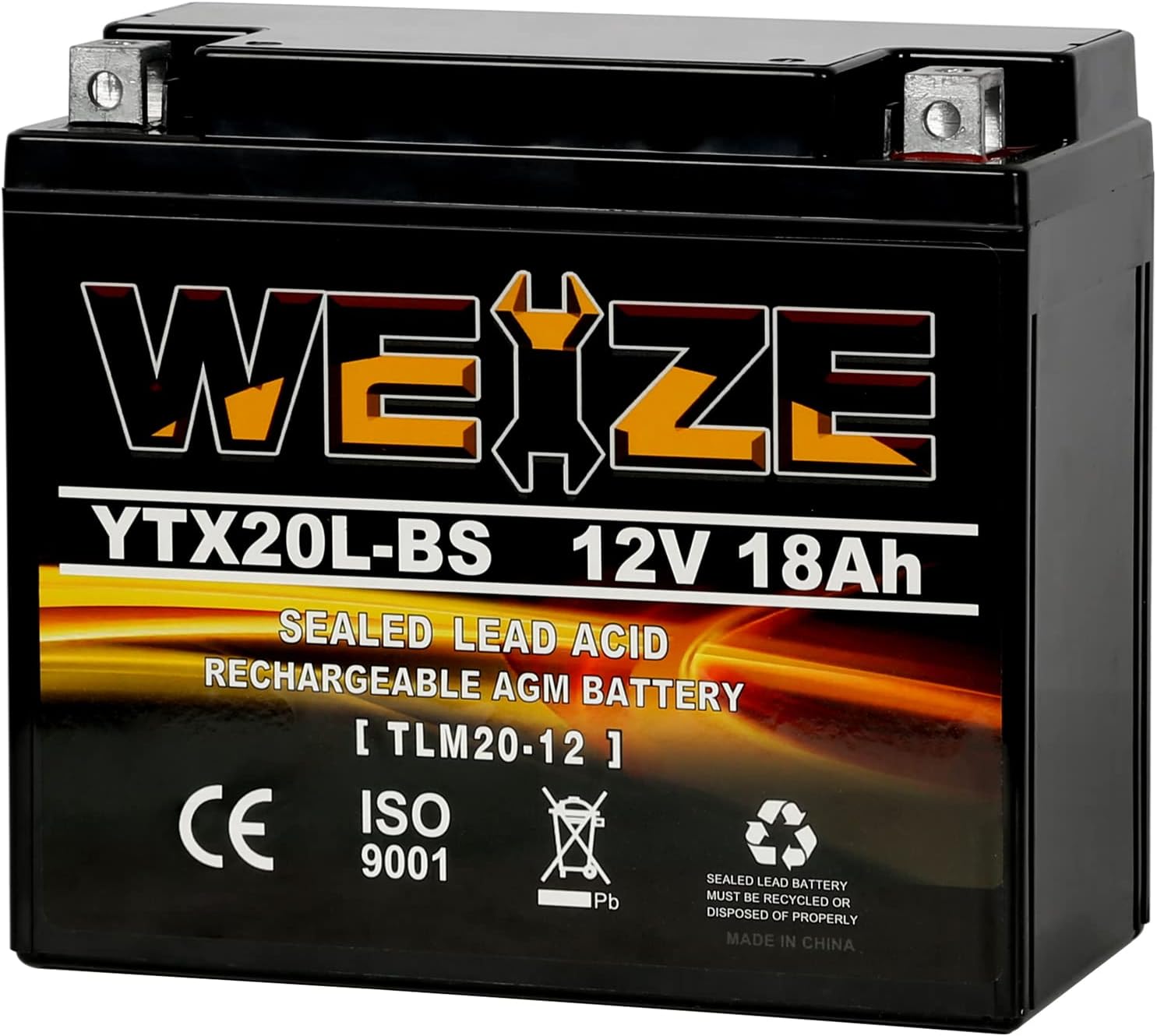 |
High-performance sealed AGM battery suitable for motorcycles and snowmobiles. | View on Amazon |
|
Mighty Max Battery ML-U1-CCAHR  |
Rechargeable SLA AGM battery with 320 CCA, ideal for various powersport applications. | View on Amazon |
|
Battanux 12N9-BS Motorcycle Battery  |
Sealed SLA/AGM battery for ATVs and motorcycles, maintenance-free with advanced technology. | View on Amazon |
Dust or corrosion increases electrical resistance and heat generation. Extreme temperatures degrade electronic components. Inspecting cables prevents shorts or failures, while proper storage protects against moisture damage, ensuring the charger remains functional for years.
Which Environmental Conditions Impact Lithium Charger Durability?
High humidity, extreme heat, and cold temperatures reduce charger lifespan by causing corrosion, component stress, and battery inefficiency. DEESPAEK chargers with built-in thermal management reduce these risks, but storing chargers indoors and away from moisture and heat is advisable.
Moisture leads to corrosion that disrupts electrical contact. Heat speeds up electronic wear, and cold lowers charging efficiency. Controlling the environment and using safety-featured chargers protect against these effects and preserve charger performance.
Why Is Regular Inspection Important for Lithium Motorcycle Battery Chargers?
Regular inspection identifies early signs of wear, corrosion, or damage, preventing charger failure and battery harm. DEESPAEK recommends checking terminals, cables, and charger housing quarterly to ensure safe, effective operation.
Visual inspections catch issues such as cracked insulation, loose connectors, or dirt buildup. Addressing these problems early avoids electrical faults or overheating that reduce charger life and compromise battery safety.
How Does Proper Storage Influence the Longevity of Lithium Chargers?
Storing chargers in a ventilated, dry area at moderate temperatures prevents moisture damage and electronic component degradation, extending charger lifespan. DEESPAEK advises using breathable bags for storage and avoiding damp or hot environments.
Condensation can cause electrical shorts or corrosion, while heat stresses internal components. Keeping chargers away from sunlight and moisture slows aging of circuit boards and connectors.
Who Should Use DEESPAEK Lithium Motorcycle Battery Chargers?
Motorcycle owners who want reliable, long-lasting chargers optimized for lithium chemistries like LiFePO4 should consider DEESPAEK. The brand’s smart chargers provide safety features, efficient charging, and protect battery health.
DEESPAEK chargers include adaptive charging algorithms and thermal monitoring, essential for lithium batteries. Riders, mechanics, and enthusiasts benefit from precise voltage control and protections that preserve both battery and charger longevity.
When Is It Appropriate to Replace a Lithium Motorcycle Battery Charger?
Replace your charger if cables show fraying, connectors are corroded beyond cleaning, indicator lights malfunction, or it fails to maintain proper voltage. DEESPAEK recommends replacing chargers every 5–7 years depending on usage to avoid charging failures.
Signs of wear indicate internal faults, risking battery damage and charger failure. Chargers with diagnostic LEDs, like DEESPAEK’s, signal issues early, helping timely replacement and consistent, safe charging.
Can Firmware Updates Extend the Life of Lithium Chargers?
Yes, chargers equipped with smart firmware, such as DEESPAEK’s, can receive updates that improve charging algorithms and safety features, enhancing both performance and longevity.
Firmware updates optimize voltage regulation, thermal control, and battery communication protocols. Improved firmware reduces electrical component stress, extending the usability and compatibility of the charger with newer battery technologies.
DEESPAEK Expert Views
“Maintaining your lithium motorcycle battery charger goes beyond plugging it in. DEESPAEK’s advanced smart chargers include adaptive charging profiles tailored to LiFePO4 chemistry, ensuring efficient charge cycles without overstraining components. Regular inspection and proper storage significantly extend charger durability. Our testing reveals integrating temperature monitoring with automatic shutoff not only protects the battery but also prolongs charger life by preventing overheating. Choosing a high-quality charger like DEESPAEK’s is an investment in consistent battery performance and reliability for every rider.”
Summary and Actionable Advice
To maximize longevity of your lithium motorcycle battery charger:
-
Use lithium-specific chargers such as DEESPAEK’s.
-
Maintain chargers by cleaning terminals and inspecting cables regularly.
-
Store chargers in dry, moderate environments away from heat and moisture.
-
Replace worn or damaged chargers promptly.
-
Choose chargers with smart features like automatic shutoff and firmware updates.
These steps ensure safe, reliable charging and keep your motorcycle battery performing at its best.
Frequently Asked Questions
Q1: Can I use a lead-acid charger for my lithium motorcycle battery?
No, lead-acid chargers do not provide the required voltage and current control for lithium batteries and can cause damage.
Q2: Is it safe to leave my lithium battery charger on overnight?
Only if it has an automatic shutoff that stops charging once the battery is full.
Q3: How often should I clean charger connectors?
Ideally every three months or more often in dusty or humid conditions.
Q4: Can charger firmware updates prevent issues?
Yes, updates improve charging efficiency and safety, extending charger and battery life.
Q5: What is the optimal temperature range for charging lithium motorcycle batteries?
Between 10°C and 30°C to avoid overheating or inefficient charging.